Clear Sky Science · en
Ferroptosis inhibits biological behaviors of glioma cells by downregulating Galectin-9 transcriptional level via extracellular Acetyl-HMGB1
Why this brain cancer study matters
Gliomas are among the deadliest brain tumors, and even with surgery, radiation, and chemotherapy, many patients see their cancer return. This study explores a newly recognized form of cell death called ferroptosis and how it might be harnessed to slow glioma growth. By uncovering how ferroptosis changes the behavior of tumor cells and their interaction with the immune system, the work points toward new drug targets that could make brain tumors less invasive and easier to treat.
A different way for tumor cells to die
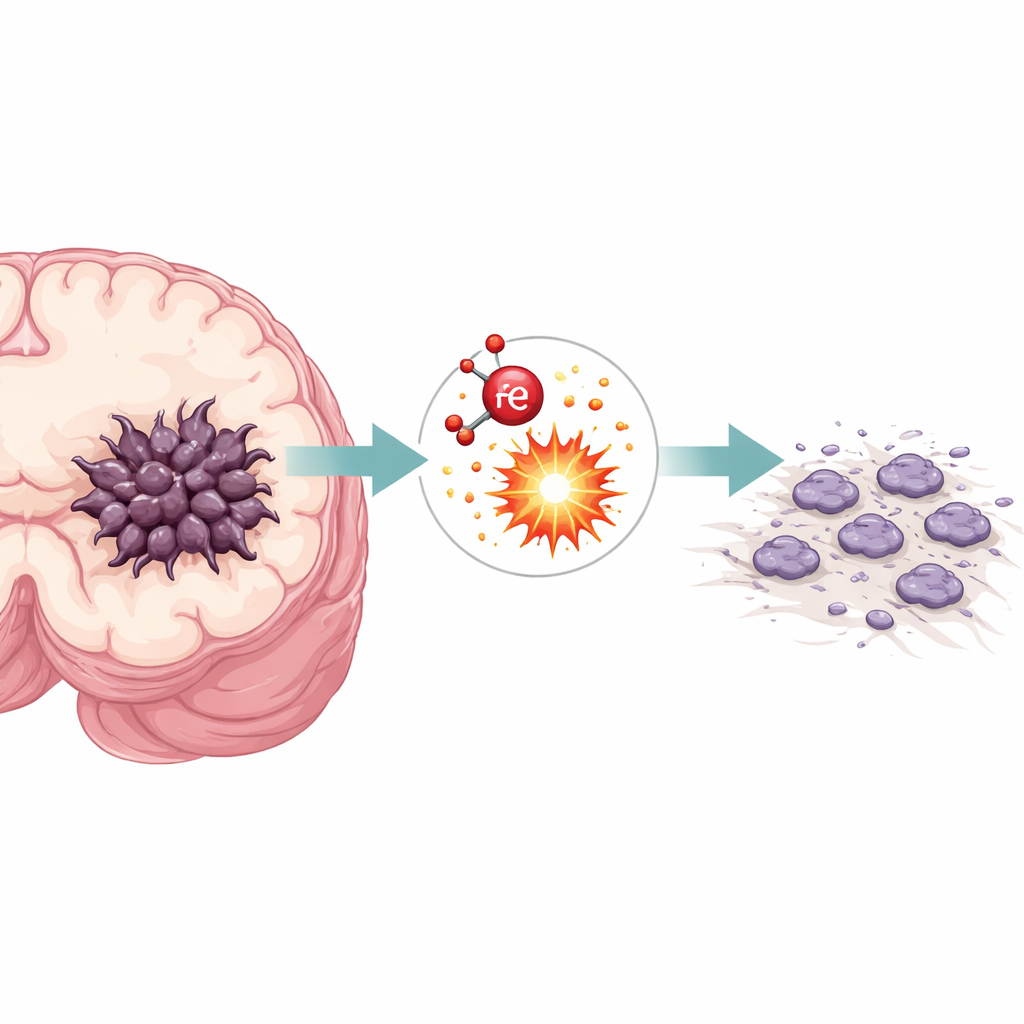
Most people have heard of cancer cells avoiding “programmed cell death” like apoptosis. Ferroptosis is a newer, iron-dependent form of cell death driven by runaway damage to cell membranes. Glioma cells have a high need for iron, which makes them particularly vulnerable to ferroptosis when pushed in the right way. The researchers used a compound called erastin to trigger ferroptosis in a human glioma cell line grown in the lab. They confirmed this by measuring a surge in reactive oxygen species—chemically aggressive molecules that signal intense oxidative stress inside the cells.
How stress signals escape the tumor cell
The team focused on a molecule called HMGB1, normally found in the cell nucleus but able to move outside the cell when it is stressed or dying. A chemically modified form, acetyl-HMGB1, can act as a danger signal in the tumor’s surroundings. The scientists found that when they induced ferroptosis, glioma cells released much more acetyl-HMGB1 into the culture fluid. They also showed that a basic recycling process inside cells, called autophagy, helped drive both ferroptosis and the release of acetyl-HMGB1: boosting autophagy increased release, while blocking it reduced release.
Making tumor cells less invasive and more fragile
Next, the researchers asked what these changes meant for how aggressively glioma cells behave. In invasion tests that mimic tumor cells moving through tissue barriers, cells undergoing ferroptosis were much less able to cross a membrane, suggesting reduced invasive potential. Their growth rate dropped, and more cells underwent apoptosis, another form of programmed death. When the team blocked acetyl-HMGB1 outside the cells using a compound derived from licorice (glycyrrhizic acid), these benefits were partially lost: invasion and growth picked back up, and apoptosis declined. This indicates that acetyl-HMGB1 released during ferroptosis is not just a by-product but actively contributes to reining in tumor cell aggressiveness, with autophagy helping to sustain this effect.
Connecting cell death to immune “brakes”
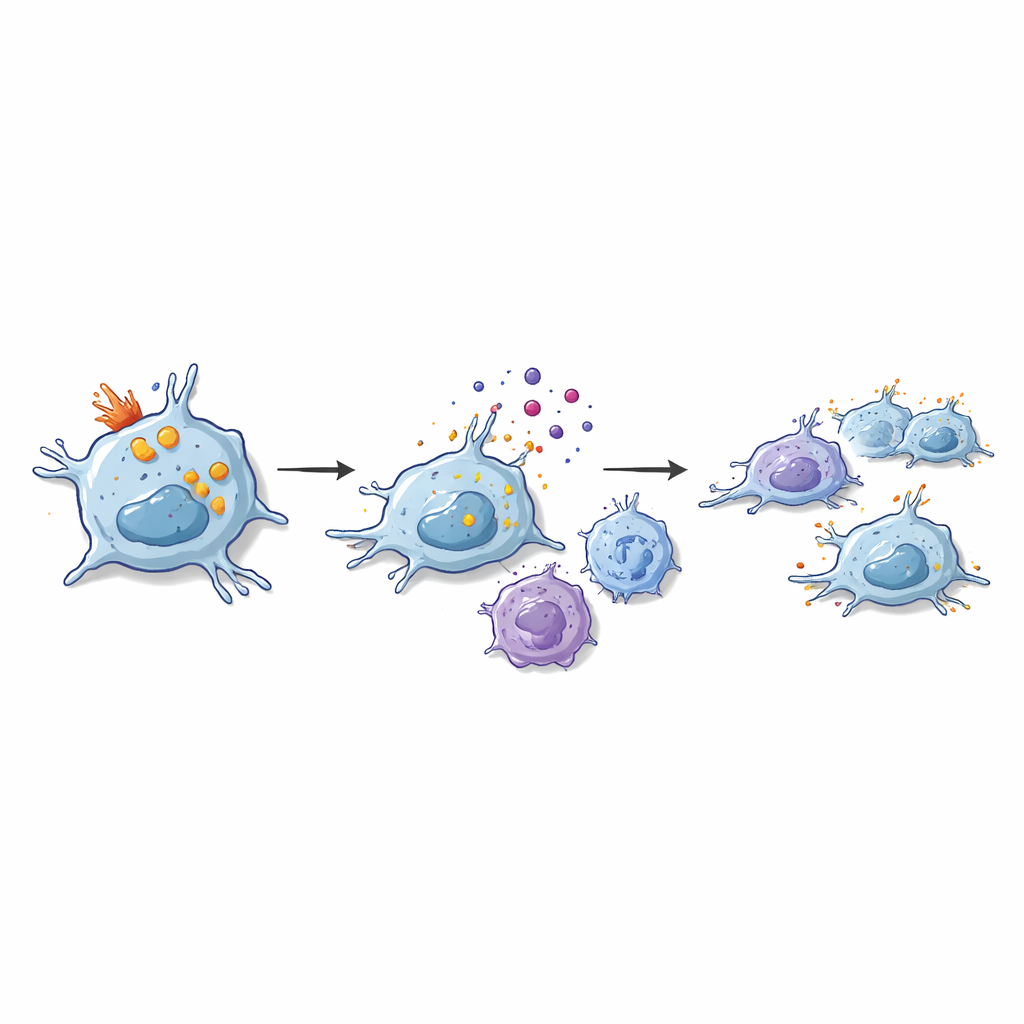
The study then turned to immune checkpoints—molecules that can act as on–off switches for immune attack. Glioma cells often exploit these checkpoints to hide from the immune system. The researchers measured the activity of four such genes in glioma cells after inducing ferroptosis. Two of them, CD155 and galectin-9, were clearly dialed down, while CD80 and HMGB1 itself did not change much at the gene level. When they simultaneously triggered ferroptosis and blocked acetyl-HMGB1, only galectin-9 flipped from lowered to raised expression, whereas CD155 stayed low. Inhibiting autophagy also weakened the drop in galectin-9. Together, these results suggest a specific chain of events: ferroptosis → autophagy → release of acetyl-HMGB1 → reduction in galectin-9 gene activity.
What it could mean for future brain tumor treatments
Galectin-9 is known to help create an immunosuppressive environment that protects tumors from attack. By showing that ferroptosis can lower galectin-9 levels through the release of acetyl-HMGB1, this work outlines a potential way to both weaken glioma cells and make them less able to evade immune defenses. While the study was done in a single cell line and important details of the signaling pathway remain to be worked out, it highlights ferroptosis and the acetyl-HMGB1/galectin-9 axis as promising targets. In the long run, drugs that safely trigger this pathway, or that mimic its effects, could complement existing therapies and help tip the balance against brain tumors.
Citation: Xu, Y., Tan, G. & Zhu, R. Ferroptosis inhibits biological behaviors of glioma cells by downregulating Galectin-9 transcriptional level via extracellular Acetyl-HMGB1. Sci Rep 16, 10681 (2026). https://doi.org/10.1038/s41598-026-45969-1
Keywords: glioma, ferroptosis, immune checkpoints, HMGB1, galectin-9