Clear Sky Science · en
Comparing TOPSIS and VIKOR to prioritize international communication interventions across digital platforms
Why choosing the right online approach matters
Much of today’s cross-border contact happens on social media, video sites, and other digital platforms. Governments, cultural institutions, and NGOs all want their messages to travel far, feel authentic, build trust, and stay safe. Yet they often juggle many possible tactics without a clear way to decide which mix will work best in different world regions. This study offers a structured, numbers-based way to compare those options, helping planners move beyond gut feeling toward more transparent choices.
The challenge of many goals at once
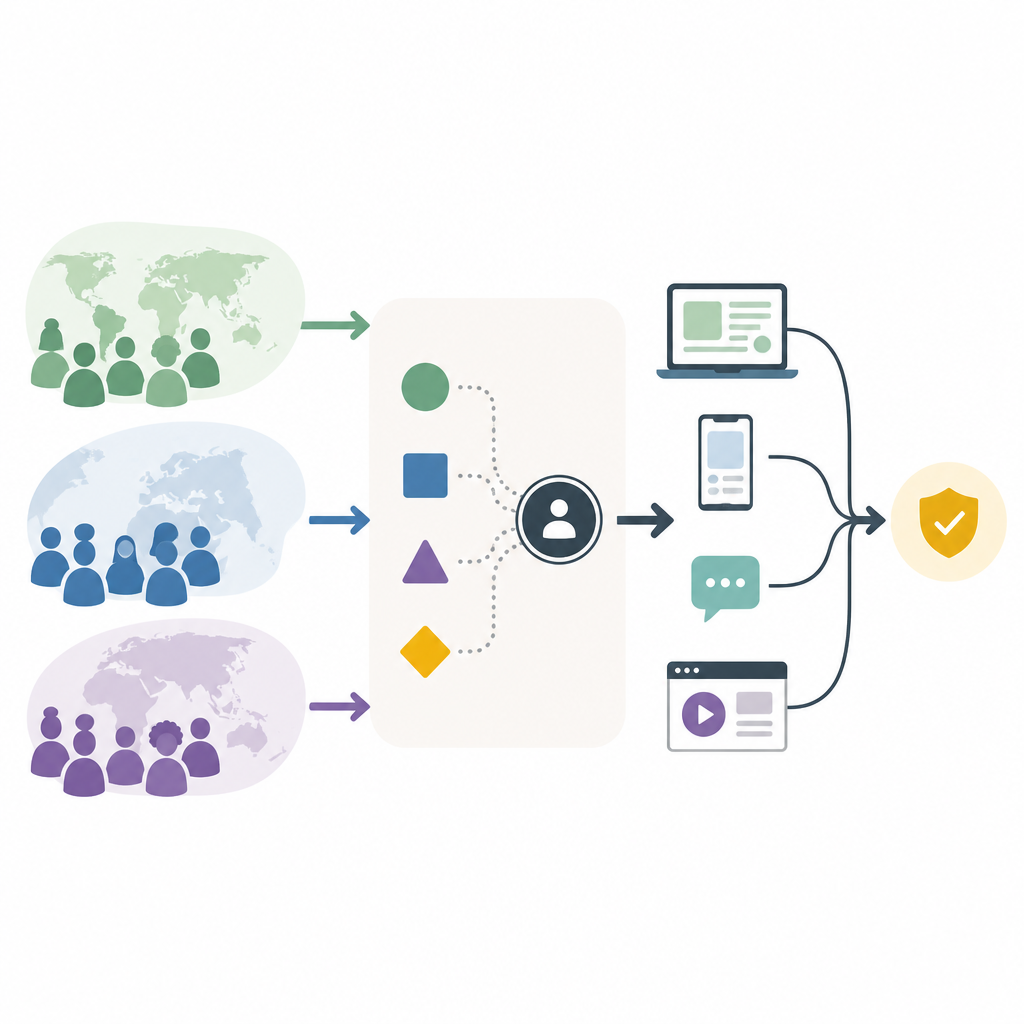
International communication teams rarely pursue a single aim. They need reach, but not at the cost of credibility. They want quick impact, but cannot ignore cost or online safety. The paper looks at China’s outbound communication toward audiences in Southeast Asia, the European Union, and the Middle East and North Africa. Instead of asking which single tool is "best", the authors treat communication plans as bundles of actions: how deeply content is localized, how creators are involved, how posts are sequenced across platforms, and how comments and communities are moderated.
Turning expert judgment into a clear scorecard
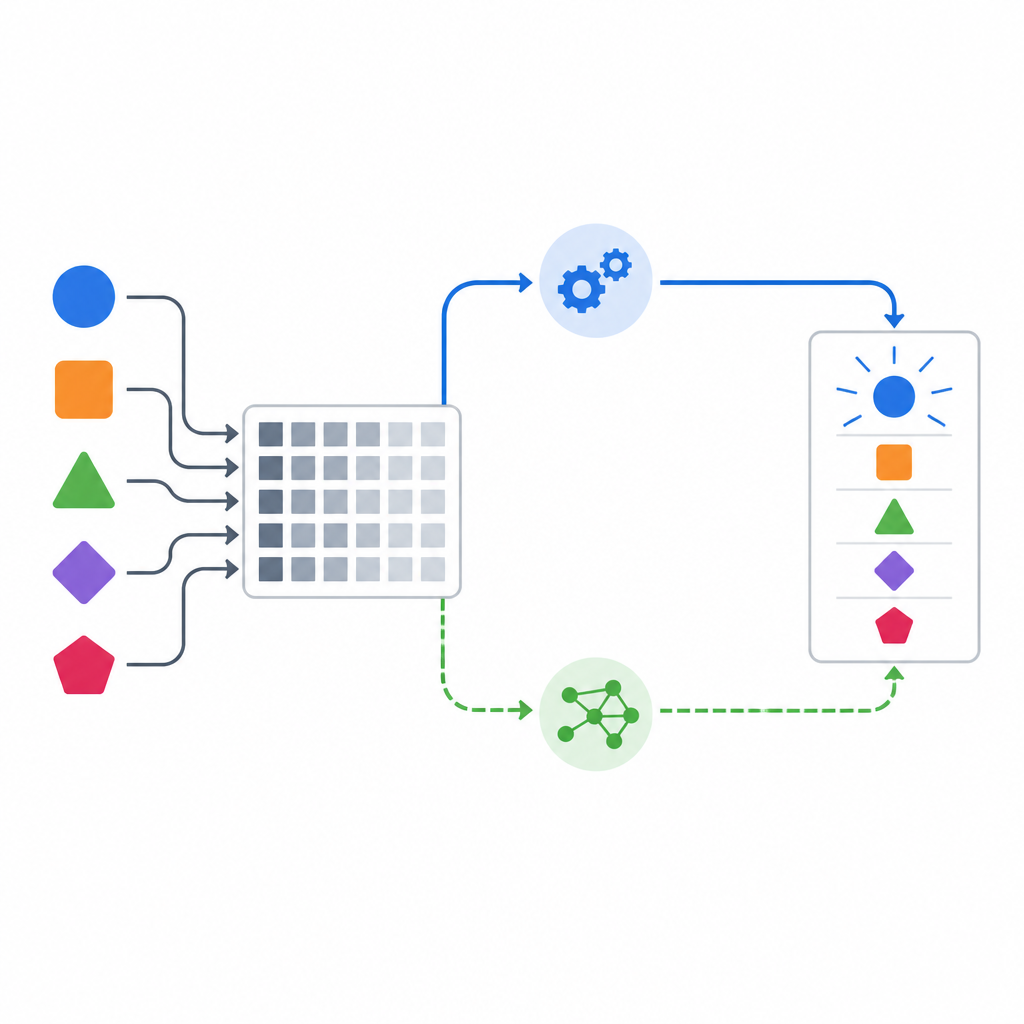
To build a fair comparison, the researchers invited 100 experts from communication, language, platform operations, cultural policy, and creator practice. These experts, based in China and several other regions, rated how important different outcomes are and how well five concrete implementation models would perform. The scorecard balanced six concerns: overall impact, ease of implementation, cost, ability to scale across regions, speed of visible results, and stakeholder acceptance. Careful cleaning and averaging of responses produced decision tables where each row was a communication model and each column a criterion, ready for analysis.
Two different ways to rank the options
The study compares two established decision tools. One, known as TOPSIS, looks for options that sit closest to an "ideal" point where every criterion does well and farthest from a "bad" point where everything performs poorly. The other, VIKOR, looks for a compromise that not only performs strongly overall but also avoids serious weakness on any single important factor. When both tools were fed the same expert data, they largely agreed. A hybrid hub and spoke model, which mixes a central strategy hub with regional teams that handle local creators, translation, and moderation, usually came out on top. A community-based outreach model, with very deep local engagement, was a close second.
What changes across regions
Although the hybrid model ranked first in the overall results and in most regional slices, the picture shifted slightly when the focus moved to specific audiences. In Southeast Asia, for example, the compromise-focused method sometimes favored the more community-embedded outreach model, reflecting how local trust and legitimacy can outweigh cost savings. In Europe and the Middle East and North Africa, the hybrid design’s mix of strong governance and local adaptation usually secured first place. Options that were cheaper or faster but weaker on impact or acceptance rarely rose to the top once all criteria were considered together.
What this means for real-world planners
For practitioners, the findings translate into a simple message: communication models that combine clear central standards with empowered local partners tend to deliver the best balance of reach, resonance, and risk control. The dual-method approach also acts as a safety check. If both ranking tools highlight the same top tier of strategies, planners can be more confident in those choices. If the tools disagree, it signals that certain trade-offs, such as cutting cost or chasing speed, may be putting acceptance, trust, or safety at risk. The study therefore offers not just a preferred model, but a reusable way for any organization to weigh its own options in a transparent, evidence-informed manner.
Citation: Liu, Y., Wang, J. & Shi, B. Comparing TOPSIS and VIKOR to prioritize international communication interventions across digital platforms. Sci Rep 16, 14958 (2026). https://doi.org/10.1038/s41598-026-45798-2
Keywords: digital communication, international outreach, multi criteria decision, TOPSIS, VIKOR