Clear Sky Science · en
Characteristics of gut microbiota and metabolites in patients with metabolic dysfunction-associated steatotic liver disease and colorectal adenoma
Why Your Gut May Matter to Your Liver and Colon
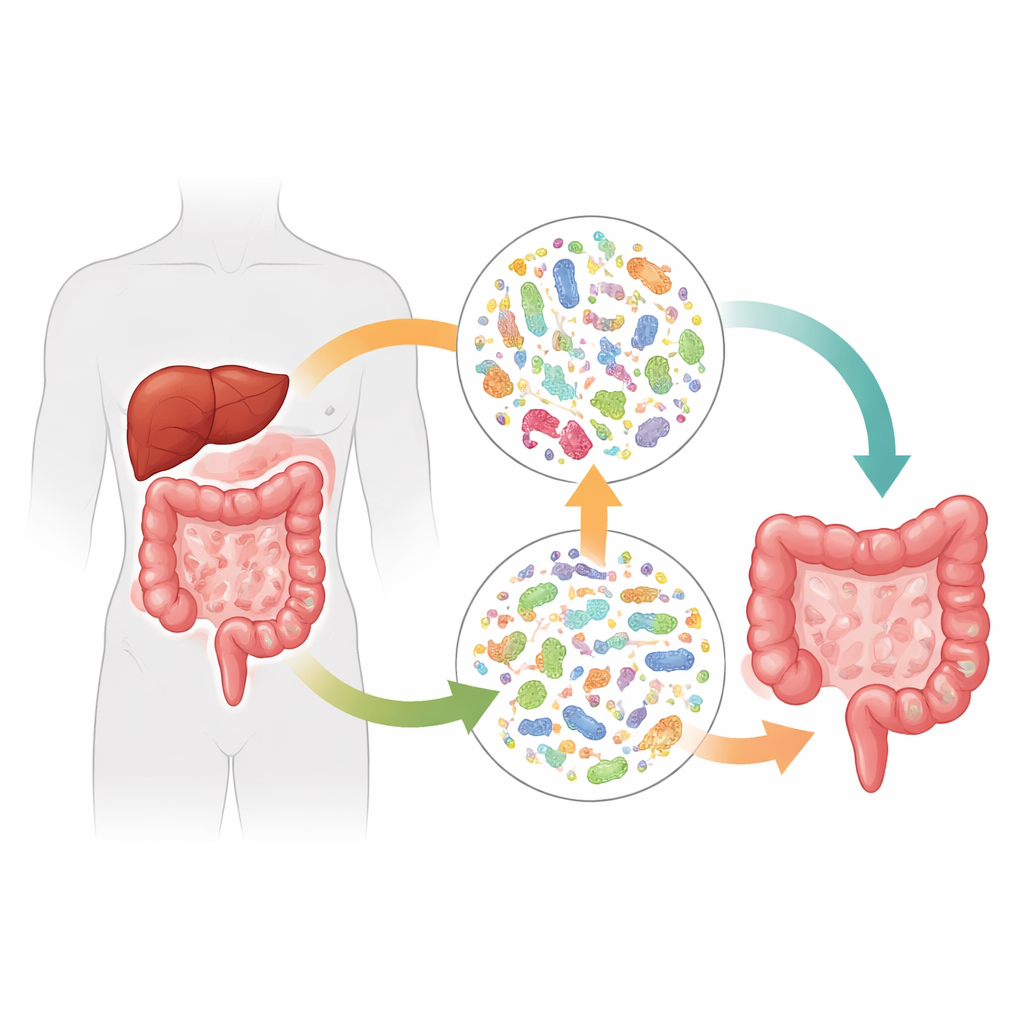
Many people live with fatty liver disease or colon polyps without realizing that these conditions might be connected through the trillions of microbes that inhabit the gut. This study explores how changes in gut bacteria and the chemical substances they produce could help explain why people with a common form of fatty liver disease are more likely to develop growths in the colon that can be precursors to cancer.
A Closer Look at Two Common Health Problems
The researchers focused on metabolic dysfunction-associated steatotic liver disease (MASLD), a new name for a very common type of fatty liver that is linked to excess weight, type 2 diabetes, and other metabolic problems. People with MASLD are known to have a higher risk of colorectal adenomas, which are a type of polyp that can develop into colorectal cancer over time. To understand why, the team studied 58 patients with MASLD, splitting them into two groups: those with colorectal adenomas and those without. Aside from being older on average, the patients with adenomas were similar to the others in terms of weight, blood sugar, blood fats, and liver measurements, suggesting that something beyond standard risk factors might be at play.
Gut Bugs in Balance and Out of Balance
From each participant, the scientists collected a stool sample before colonoscopy and analyzed the bacterial DNA to map out which microbes were present and in what proportions. They found that, while overall bacterial richness was similar across groups, the overall community structure differed clearly between MASLD patients with adenomas and those without. Patients with adenomas had a lower “gut microbiome health index” and a higher “dysbiosis index,” both signs that the microbial ecosystem was more disturbed. Certain bacteria, including specific strains of Bacteroides and members of a group called Muribaculaceae, were more common in patients with adenomas, while beneficial groups such as Lactobacillales and Veillonellaceae were less common. These patterns suggest a shift away from protective microbes toward species that may fuel inflammation and disease.
Chemical Messages Made by Microbes
The team also examined hundreds of small molecules in the stool using advanced chemical analysis. They identified 116 substances that differed between the two MASLD groups, involving amino acids, fatty acids, bile-acid related compounds, and plant-derived molecules. Some were more abundant in patients with adenomas, others less so. Using several machine-learning methods together, the researchers narrowed this list down to 16 candidate biomarkers that best distinguished MASLD patients with adenomas from those without. One standout was epigallocatechin, a compound related to green tea ingredients that has been linked to metabolism and inflammation; its altered levels here suggest that diet–microbe interactions may shape risk in subtle ways.
Connecting Microbes, Molecules, and Metabolism
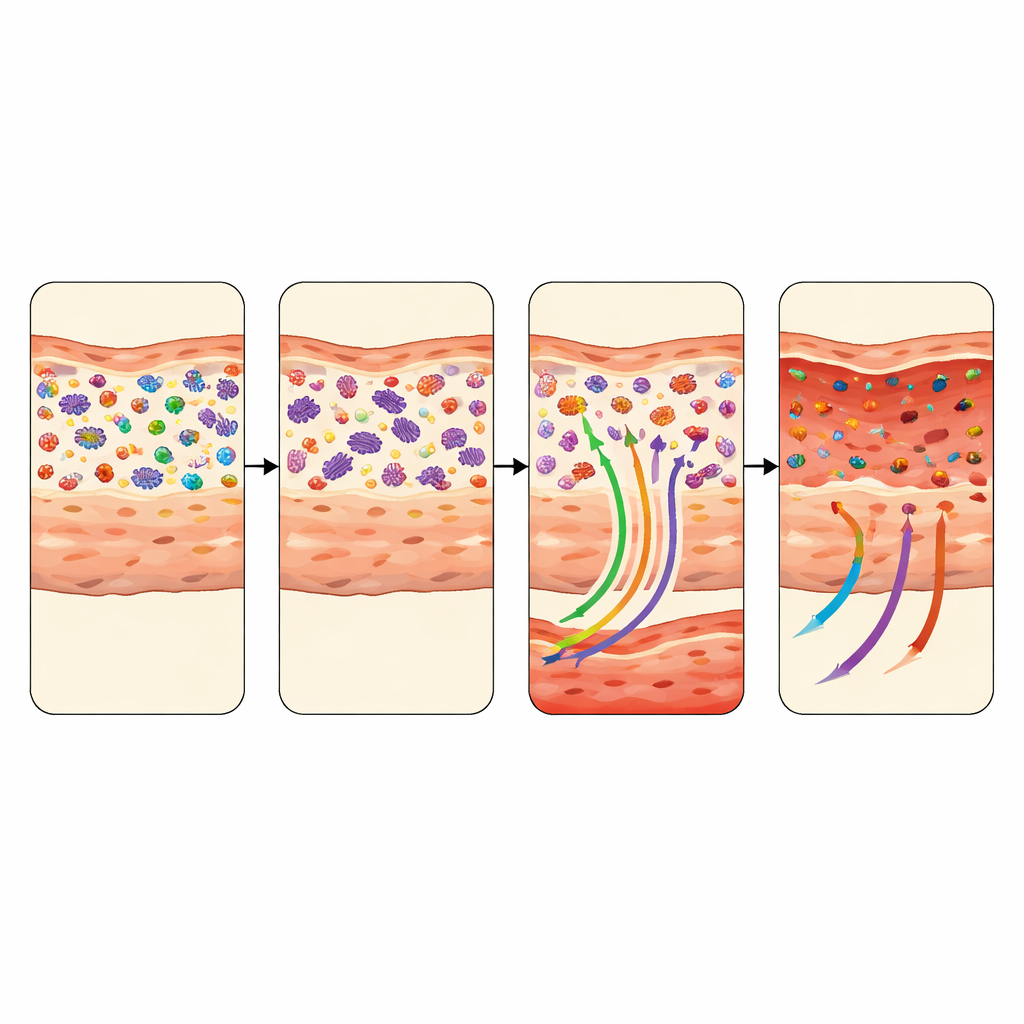
To see how microbes and metabolites might work together, the authors built correlation networks that linked specific bacterial groups to specific chemicals. They then overlaid these data on known metabolic pathways. This joint analysis highlighted coordinated changes in several key routes in the body, including lipid (fat) metabolism, amino acid metabolism, breakdown of foreign compounds, carbohydrate use, and bile acid processing. In patients with both MASLD and adenomas, some pathways tended to be jointly increased, such as those involved in breaking down certain fats, while others related to energy and amino acid handling were jointly reduced. These shifts point toward a broader reprogramming of the “microbiota–metabolite” axis that may create an internal environment more favorable to the emergence and growth of colon polyps.
What This Could Mean for Prevention and Treatment
Overall, the study suggests that in people with fatty liver disease, a disturbed gut ecosystem—marked by fewer helpful bacteria, more potentially harmful strains, and a changed mix of microbial products—may help drive the formation of colorectal adenomas by altering key metabolic pathways and local inflammation. While the work is exploratory and based on a relatively small group of patients, it provides a detailed map of candidate bacterial and chemical markers that future research can test. In time, such knowledge could lead to new strategies to prevent or detect colon polyps earlier in people with MASLD, perhaps by targeting the gut microbiome through diet, probiotics, or other tailored interventions.
Citation: Li, Y., Fu, W., Xiang, Z. et al. Characteristics of gut microbiota and metabolites in patients with metabolic dysfunction-associated steatotic liver disease and colorectal adenoma. Sci Rep 16, 10898 (2026). https://doi.org/10.1038/s41598-026-45782-w
Keywords: gut microbiome, fatty liver disease, colorectal polyps, metabolomics, microbiota metabolites