Clear Sky Science · en
Cardiovascular risk factor target control in Romanian adults with type 2 diabetes
Why heart health and diabetes matter together
Many people know that type 2 diabetes can raise blood sugar, but fewer realize how strongly it is tied to heart attacks and strokes. This study from a Romanian diabetes clinic looked at how well adults with type 2 diabetes are reaching recommended goals for blood sugar, blood pressure, and blood fats that protect the heart. The findings reveal that only a minority are hitting these targets, especially for a harmful form of cholesterol, which leaves them exposed to avoidable heart risk.
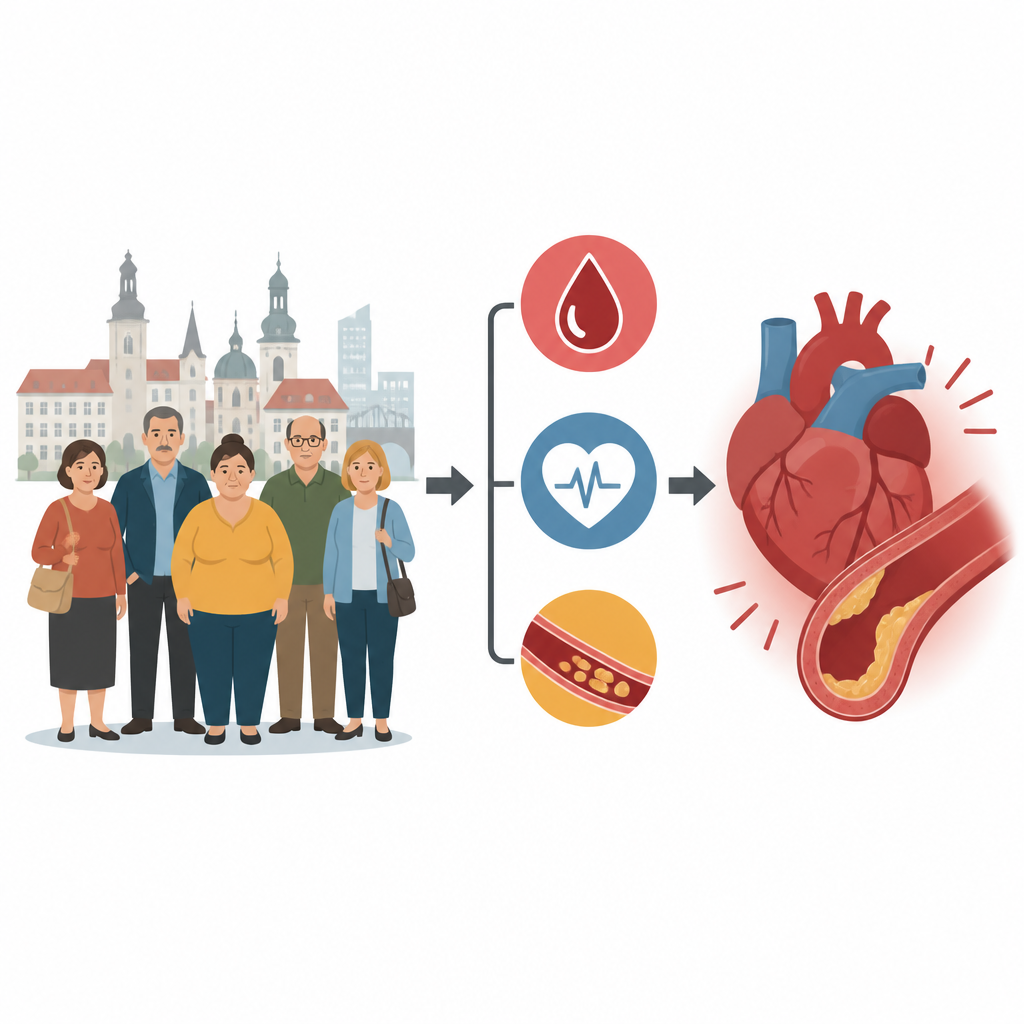
Who was studied and what was checked
The researchers followed 174 adults with type 2 diabetes, mostly in their early sixties, half of them women. Using European heart guidelines, they sorted each person into heart risk groups based on age, past heart problems, kidney health, and other signs of damage. Strikingly, more than four out of five were in the very high risk group, meaning they faced a strong chance of heart attack or stroke in the next ten years. For each person, the team collected routine clinic measures: long term blood sugar (HbA1c), blood pressure, levels of bad cholesterol and triglycerides, and body weight.
How often targets were reached
Heart and diabetes societies publish clear targets for these measures to cut the chance of future heart problems. In this group, fewer than half of the patients reached the blood sugar goal, and only about four in ten were at the recommended blood pressure. Triglyceride levels were in range for a little over half. The weakest point by far was bad cholesterol, where only one in five patients met the level recommended for their personal risk group. These patterns looked similar whether people were in the moderate, high, or very high risk categories, suggesting that even those at greatest danger were not consistently treated to stricter goals.
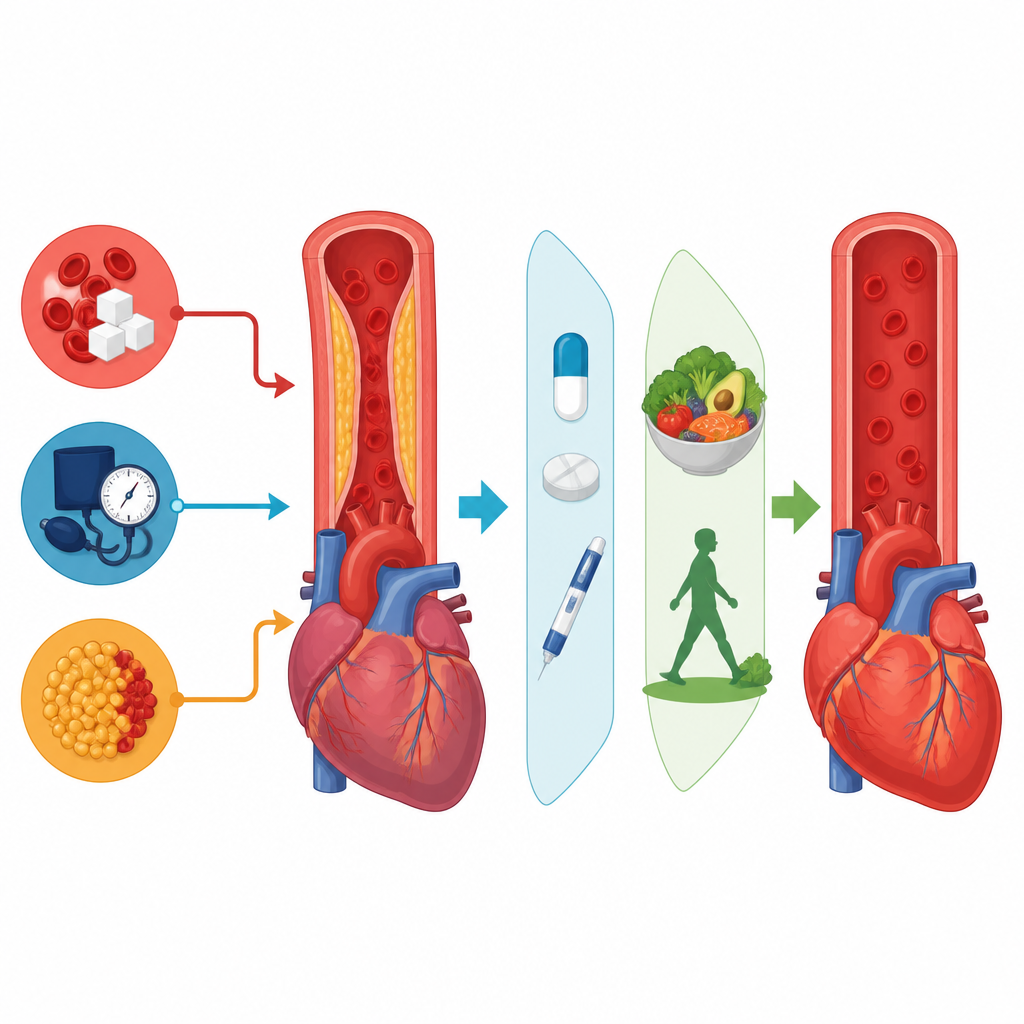
Medicines used and gaps in care
The study also examined how often proven heart protecting medicines were prescribed. Nearly two thirds of patients took a cholesterol lowering statin, and only a small minority received an extra cholesterol drug such as ezetimibe. Newer diabetes drugs that also shield the heart and kidneys, known as SGLT2 inhibitors and GLP-1 receptor agonists, were used in only about a quarter of patients. Among those at very high risk whose bad cholesterol was still above target, more than one third were not on statins at all, and over ninety percent were not receiving an add-on cholesterol medicine. Even in people who already had heart disease or clear obesity, these advanced treatments were far from routine.
How this compares and what it suggests
When the authors compared their findings with studies from Romania and other countries, a clear pattern emerged: blood sugar and blood pressure are often partly controlled, but cholesterol targets are rarely met in people with type 2 diabetes. Similar research shows that having several risk factors in range at the same time is linked with fewer heart attacks and longer life, yet only a small share of patients achieve this combined control. The results point to missed chances to use guideline based care, including stronger cholesterol lowering combinations and wider use of diabetes medicines that also protect the heart and kidneys.
What it means for people living with diabetes
For a lay reader, the message is straightforward: in this real world Romanian clinic, most adults with type 2 diabetes carried a high or very high chance of serious heart problems, and many were not receiving the full intensity of treatment that expert groups advise. Blood sugar and blood pressure were only modestly controlled, and bad cholesterol control was especially poor. The authors conclude that regularly checking overall heart risk and then stepping up cholesterol and other treatments in a structured way could meaningfully reduce the chance of heart attack and stroke in people with type 2 diabetes.
Citation: Luca, S.A., Bungau, R.M., Herascu, A. et al. Cardiovascular risk factor target control in Romanian adults with type 2 diabetes. Sci Rep 16, 15230 (2026). https://doi.org/10.1038/s41598-026-45656-1
Keywords: type 2 diabetes, cardiovascular risk, cholesterol control, blood pressure, Romania