Clear Sky Science · en
The effect of religious belief and altruism on organ donation attitude in Turkey
Why this topic matters to everyday life
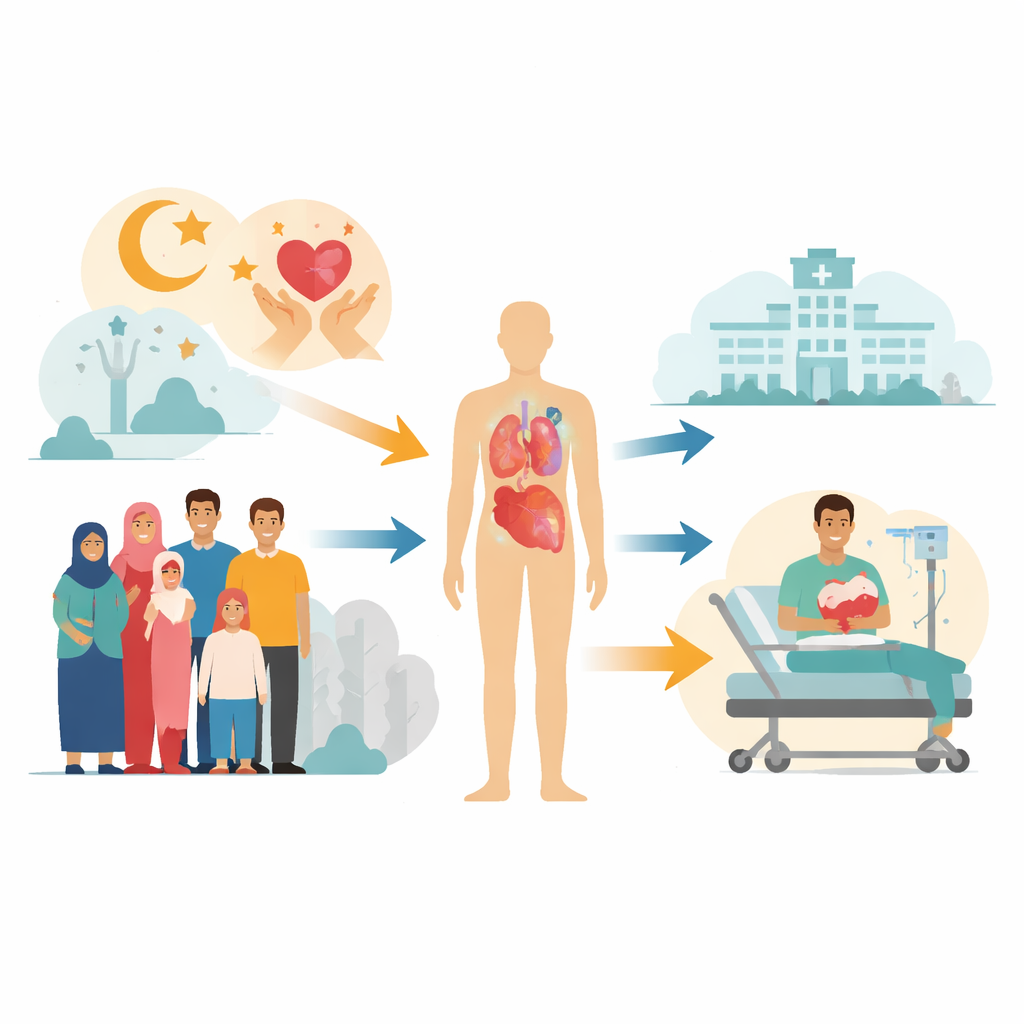
Many people say they would donate their organs to save a life, yet far fewer actually take the steps needed to do so. In Turkey, where most people are Muslim and religion strongly shapes daily life, this gap between good intentions and concrete action is especially important. This study explores how beliefs about faith, the body, and helping others come together to influence whether people move from simply supporting organ donation in theory to actually registering as donors.
Helping others and beliefs about the body
The researchers focused on two powerful forces that shape behavior: altruism (the desire to help others without expecting anything in return) and religious belief. Organ donation is often seen as one of the purest forms of helping a stranger, but it also raises sensitive questions about what happens to the body after death. In Islamic culture, ideas about the body’s integrity and life after death can make this decision emotionally complex. Although many religious leaders in Turkey state that organ donation is allowed and even encouraged, individual believers still struggle with doubts and fears.
How the study was carried out
The team surveyed 643 adults living in Istanbul and Ankara using an online questionnaire. Participants answered questions about their background, willingness to donate organs, and actual donation behavior, such as having a donor card. They also completed three standardized scales that measured their religious attitudes, their level of altruism, and their attitudes toward organ donation, including both positive views (such as seeing donation as a good deed) and negative concerns (such as fear of bodily harm or medical neglect). Statistical analyses were used to see how these psychological factors were linked.
Goodwill is high, but action is low
The findings revealed a striking contrast. About 60% of participants said they would like to donate their organs, and overall attitudes toward donation were slightly more positive than negative. Yet only about 5% actually had an organ donor card, and most had little knowledge about how the donation system works in Turkey. Nearly 70% said they had no information about the national organ donation system, and over 70% had never received any information about donation at all. Many of those who were undecided or unwilling mentioned worries about their body being harmed, uncertainty about religious rules, mistrust of brain death decisions, or simply never having thought seriously about the issue.
The role of faith and kindness
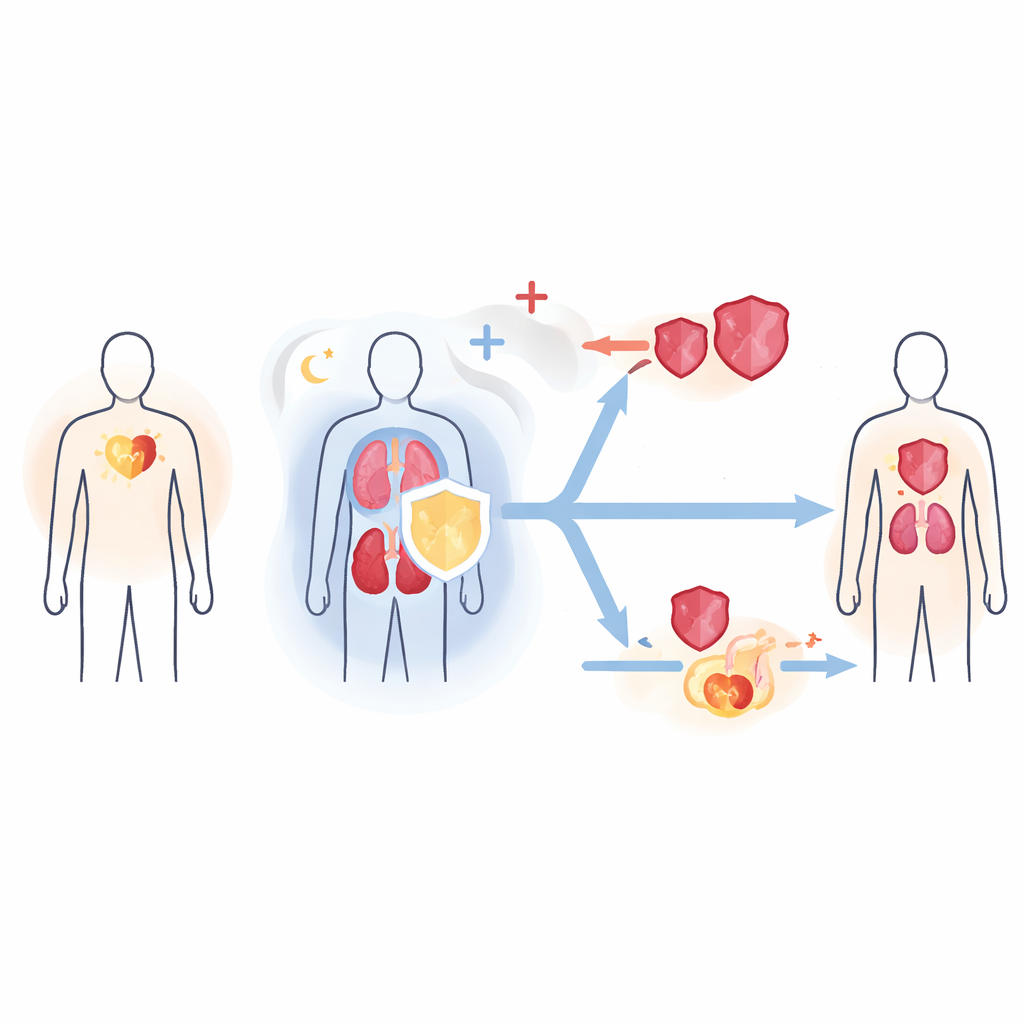
When the researchers examined how altruism and religious belief related to donation attitudes, they found a nuanced picture. People who actively sought information about organ donation tended to have higher altruism scores, suggesting that caring, outward-looking individuals are more inclined to learn how they can help. However, altruism by itself did not strongly predict overall attitudes toward donation. In contrast, religious attitudes showed a weak but meaningful link with negative feelings, especially fear of bodily injury after death. Those who did not want to donate their organs scored higher on religious attitude measures, and statistical modeling showed that stronger religious attitudes predicted greater concern about harm to the body. This suggests that for some believers, the wish to help others clashes with the belief that the body should remain intact for the next life.
What this means for boosting donations
These results highlight an “intention–behavior gap”: many people like the idea of organ donation, but very few take concrete steps to become donors. In Turkey, that gap is widened by limited public information and by religiously shaped fears about what happens to the body after death. The authors suggest that closing this gap will require more than general awareness campaigns. They argue for education programs that clearly explain how organ donation works, involve nurses and other health professionals as counselors, and work closely with religious leaders to address spiritual concerns. By combining accurate information with respectful engagement with faith and culture, societies may help more people turn their desire to save lives into real-world action.
Citation: Demirdağ, H., Öner Cengiz, H. The effect of religious belief and altruism on organ donation attitude in Turkey. Sci Rep 16, 14514 (2026). https://doi.org/10.1038/s41598-026-45583-1
Keywords: organ donation, religion and health, altruism, Islamic ethics, health attitudes