Clear Sky Science · en
Vaccine-derived T-cell responses are insufficient to generate protective immunity to SARS-CoV-2
Why this research matters
As COVID-19 vaccines rolled out, much of the focus was on antibodies—the proteins that can block the virus from infecting our cells. But another side of the immune system, T cells, is often credited with keeping people out of the hospital and providing longer-lasting protection. This study asks a simple but crucial question: if a vaccine triggers strong T-cell responses but little or no neutralizing antibodies, is that enough to protect against severe COVID-19?
The two main lines of defense
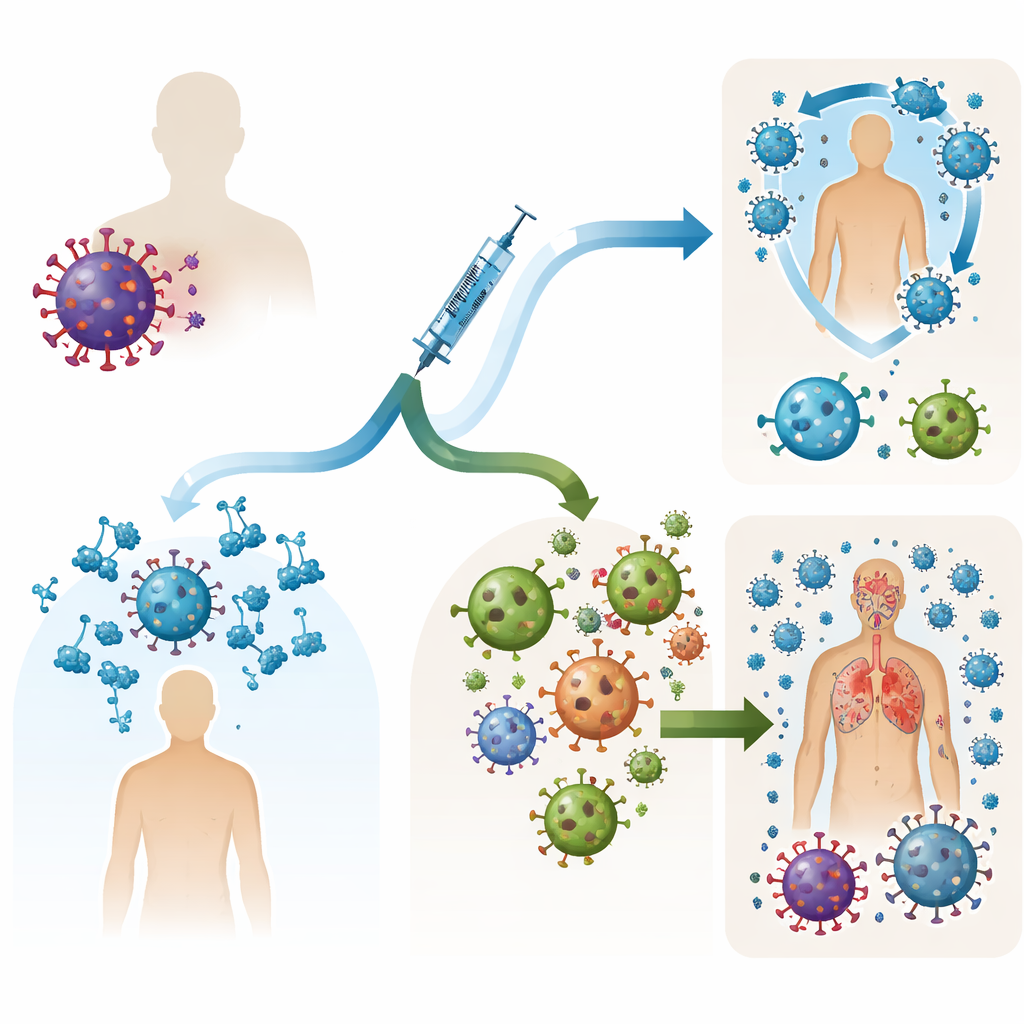
Our immune system fights viruses in two broad ways. Antibodies float in blood and mucus, latching onto viruses before they enter cells. Neutralizing antibodies are especially powerful because they block key structures the virus uses to invade. T cells, by contrast, patrol tissues looking for already infected cells and destroy them, helping to limit how far an infection spreads. Many patients who cannot make good antibodies—for example, those with certain blood cancers or on B-cell–depleting drugs—still mount T-cell responses after vaccination. That has raised hope that a "T-cell–focused" vaccine might protect people whose antibody responses are weak.
Designing vaccines that favor T cells
The research team used DNA vaccines, a platform where small circular pieces of DNA instruct cells to make viral proteins. They engineered several versions of the SARS-CoV-2 spike protein, including one with a shortened tail (ΔC) and another with key cleavage sites removed and a flexible linker inserted (Linker-ΔT). Some versions were fused to a chemokine called MIP3α, which helps deliver the spike protein to antigen-presenting cells—immune sentinels that are especially good at priming T cells. In mice, these designs reliably triggered strong CD4 and CD8 T-cell responses that secreted inflammatory messenger molecules typical of a virus-fighting, so-called "Type 1" response. One construct, Linker-ΔT, was even built specifically to disrupt spike’s shape enough to avoid stimulating antibodies while still presenting plenty of T-cell targets.
What happened when the virus attacked
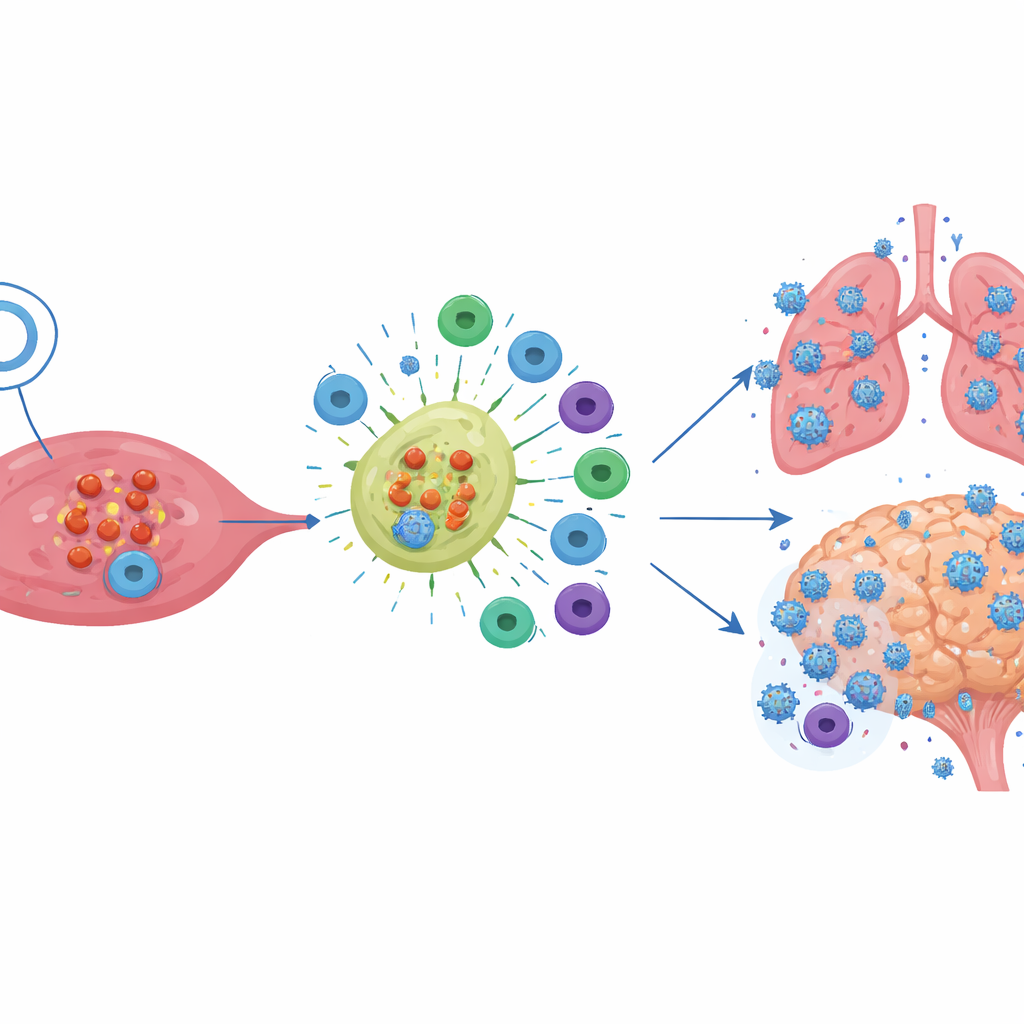
When the vaccines were tested more rigorously in a transgenic mouse model that expresses human ACE2—the same receptor SARS-CoV-2 uses in people—the picture became clearer. The ΔC-based vaccines generated antibodies that could bind the spike and its receptor-binding domain from multiple variants, but these antibodies did not neutralize the virus in standard lab tests. The Linker-ΔT designs, as intended, produced almost no detectable antibodies but still drove robust T-cell activity. Across all of these vaccine types, the mice showed strong T-cell cytokine responses against spike. Yet when they were exposed to a lethal dose of live SARS-CoV-2, none of the vaccinated groups were protected from weight loss or death compared with control animals.
Lessons for vaccine design
These results fit with a growing body of evidence in humans and nonhuman primates: neutralizing antibody levels track strongly with how well vaccines prevent symptomatic infection. T cells still matter a great deal. They seem to help clear infection faster, reduce disease severity, and remain active against new variants even when antibodies lose some of their punch. But in this stringent mouse model, powerful T-cell responses triggered by chemokine-fused DNA vaccines were not enough on their own. The authors argue that the particular spike changes they introduced likely distorted key neutralizing features and that the T cells generated may have lacked optimal qualities such as the right tissue distribution or killing capacity.
What this means going forward
For a lay audience, the takeaway is straightforward: a vaccine that mainly trains T cells, without also producing neutralizing antibodies, did not protect mice from severe COVID-19 in this study. The work supports the idea that the best vaccines should aim to do both—raise strong, correctly shaped antibodies that block infection and robust T-cell responses that help mop up any breakthrough virus. This is especially relevant for people whose antibody responses are compromised. Future vaccines may combine smart antigen design that preserves neutralizing targets with delivery tricks like chemokine fusion, seeking a balanced, two-pronged shield rather than relying on T cells alone.
Citation: Cha, SC., Szymura, S.J., Anderson, A. et al. Vaccine-derived T-cell responses are insufficient to generate protective immunity to SARS-CoV-2. Sci Rep 16, 14331 (2026). https://doi.org/10.1038/s41598-026-44391-x
Keywords: SARS-CoV-2 vaccines, T cell immunity, neutralizing antibodies, DNA vaccines, COVID-19 protection