Clear Sky Science · en
High-risk human papillomavirus and HBV, HCV, and T. pallidum association among women living with HIV in selected health facilities of Mekelle, Tigray, Northern Ethiopia
Why this matters to women’s health
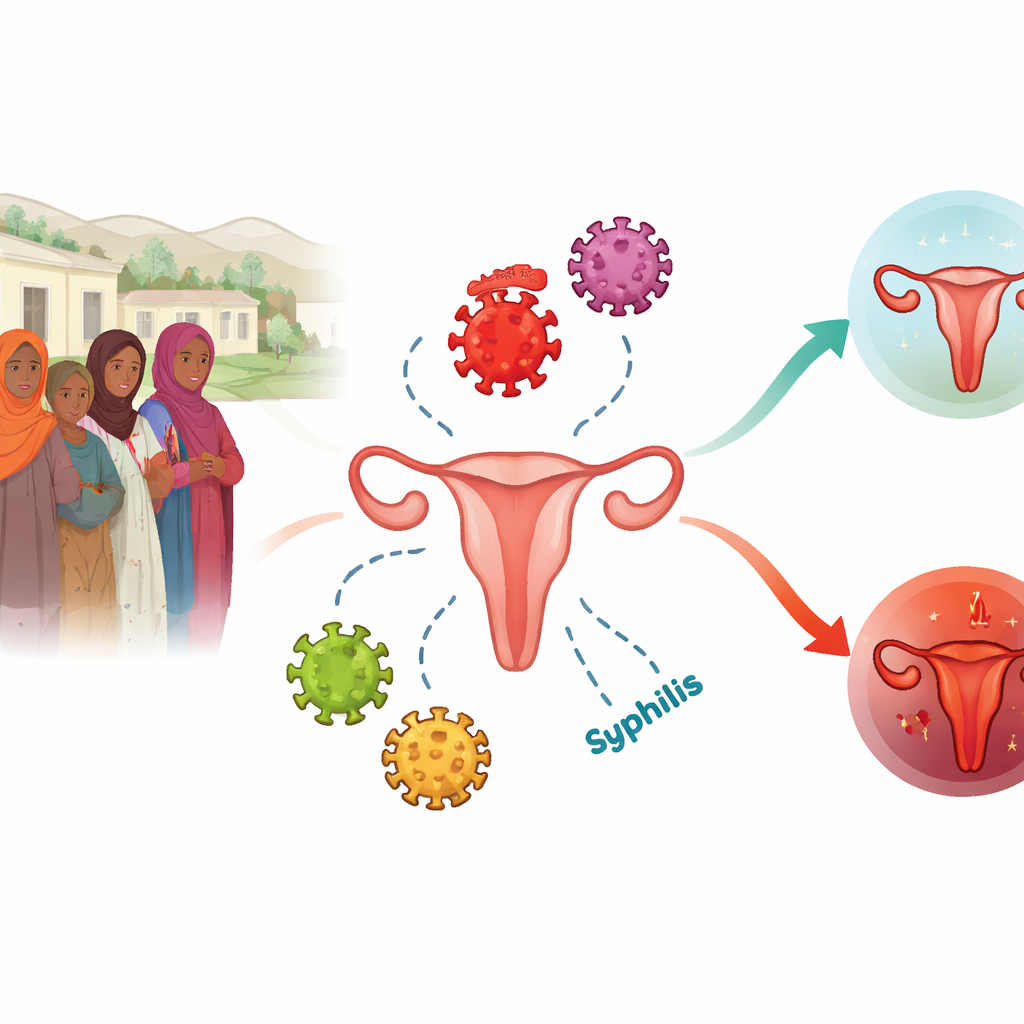
Cervical cancer and other illnesses linked to sexually transmitted infections do not arise from a single virus acting alone. For women living with HIV, especially in parts of the world with limited health resources, several different infections can quietly overlap and magnify one another’s harm. This study from Mekelle, in northern Ethiopia, looks closely at how high‑risk human papillomavirus (the main cause of cervical cancer) clusters together with hepatitis B and C viruses and the bacterium that causes syphilis among women already living with HIV.
The setting and who was studied
Researchers followed 390 adult women living with HIV who were receiving routine treatment in five public health facilities in Mekelle. Most were city residents in their early forties, reflecting the typical age and setting of many women in HIV care in the region. All participants agreed to answer questions about their background and health, and to give both blood samples and a gentle cervical sample so the team could test for several infections at once.
How the infections were detected
The study combined rapid blood tests with more advanced genetic tests. Blood was checked for signs of hepatitis B virus, hepatitis C virus and Treponema pallidum, the bacterium that causes syphilis. Any positive hepatitis C results were confirmed by looking directly for the virus’s genetic material, showing whether the infection was active. Cervical samples were analyzed with a sensitive DNA test that identifies high‑risk types of human papillomavirus, including types 16 and 18, which are strongly linked to cervical cancer.
What the team found
High‑risk HPV was common: nearly 40 percent of the women carried it. About one in ten had syphilis, seven percent had hepatitis B, and a smaller share—around one and a half percent—had hepatitis C. Among women who were HPV‑positive, about a third also had at least one of the other three infections. Syphilis and hepatitis B were the main culprits in these overlaps. Co‑infection with hepatitis B and high‑risk HPV was found in roughly 6 percent of all participants, and syphilis with high‑risk HPV in about 7 percent. When the researchers focused on HPV type 16, the form most closely tied to cervical cancer, they saw especially high co‑infection levels with both hepatitis B and syphilis.
Links that go beyond chance
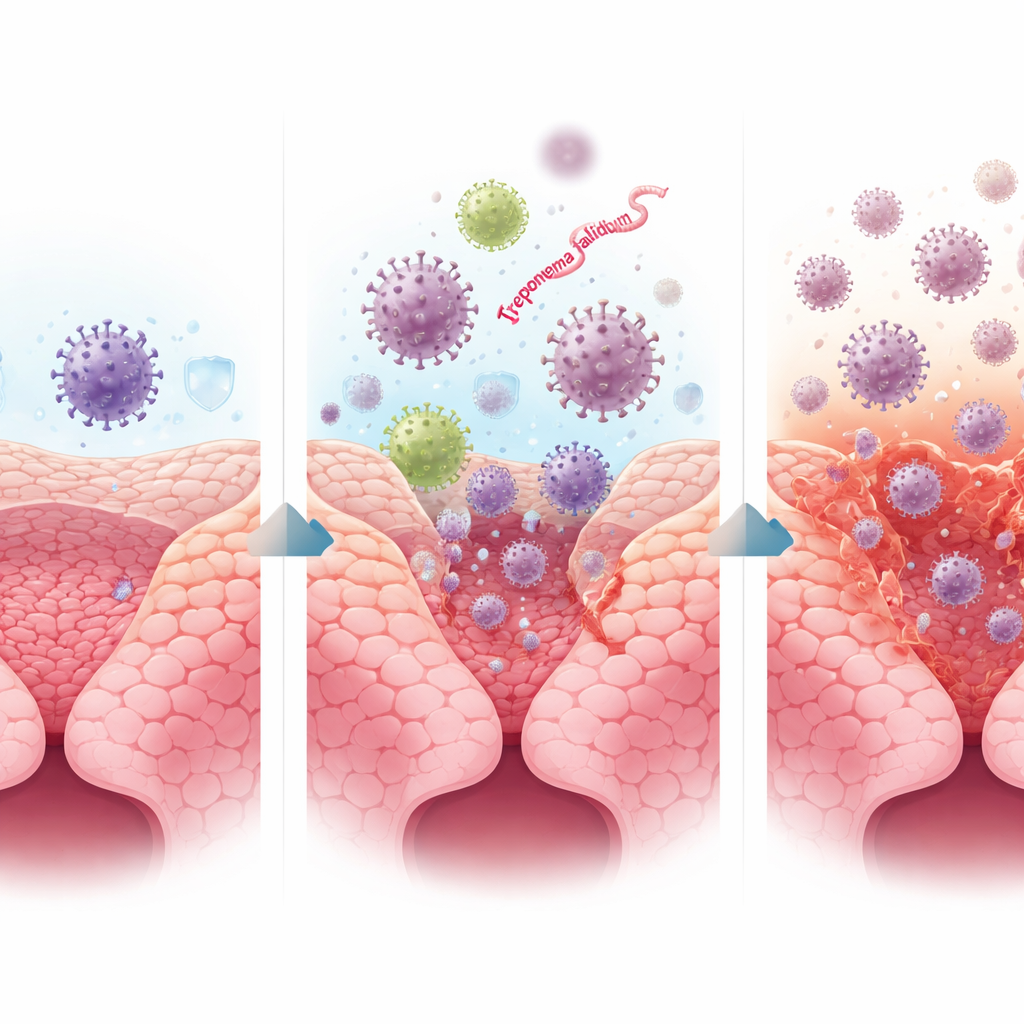
To see whether these overlaps were more than coincidence, the team used statistical models that account for other factors. Women with hepatitis B were over six times more likely to test positive for high‑risk HPV than those without hepatitis B. Women with syphilis were nearly four times more likely to have high‑risk HPV. These patterns held even when the researchers looked specifically at HPV‑16 and at other high‑risk HPV types grouped together. In contrast, the small number of women with hepatitis C meant that any apparent link between hepatitis C and HPV could not be confirmed with confidence.
What this means for care
For lay readers, the message is that in women living with HIV, certain additional infections—especially hepatitis B and syphilis—seem to create a more dangerous environment for HPV to persist and potentially progress toward cancer. The study does not prove which infection came first, but it does show that these conditions frequently travel together and are strongly linked. The authors argue that HIV clinics should routinely check for this cluster of infections, offer timely treatment, promote safer sexual practices and trace partners. By tackling these infections together rather than one by one, health services may better protect women from cervical cancer and other serious complications.
Citation: Shfare, M.T., Wasihun, A.G., Wolday, D. et al. High-risk human papillomavirus and HBV, HCV, and T. pallidum association among women living with HIV in selected health facilities of Mekelle, Tigray, Northern Ethiopia. Sci Rep 16, 10881 (2026). https://doi.org/10.1038/s41598-026-43897-8
Keywords: HPV co-infection, women living with HIV, hepatitis B and syphilis, cervical cancer risk, Ethiopia sexual health