Clear Sky Science · en
Phytochemical profile and chemosensitizing anticancer activity of Mitragyna speciosa and mitragynine
Why a tropical tree matters for cancer treatment
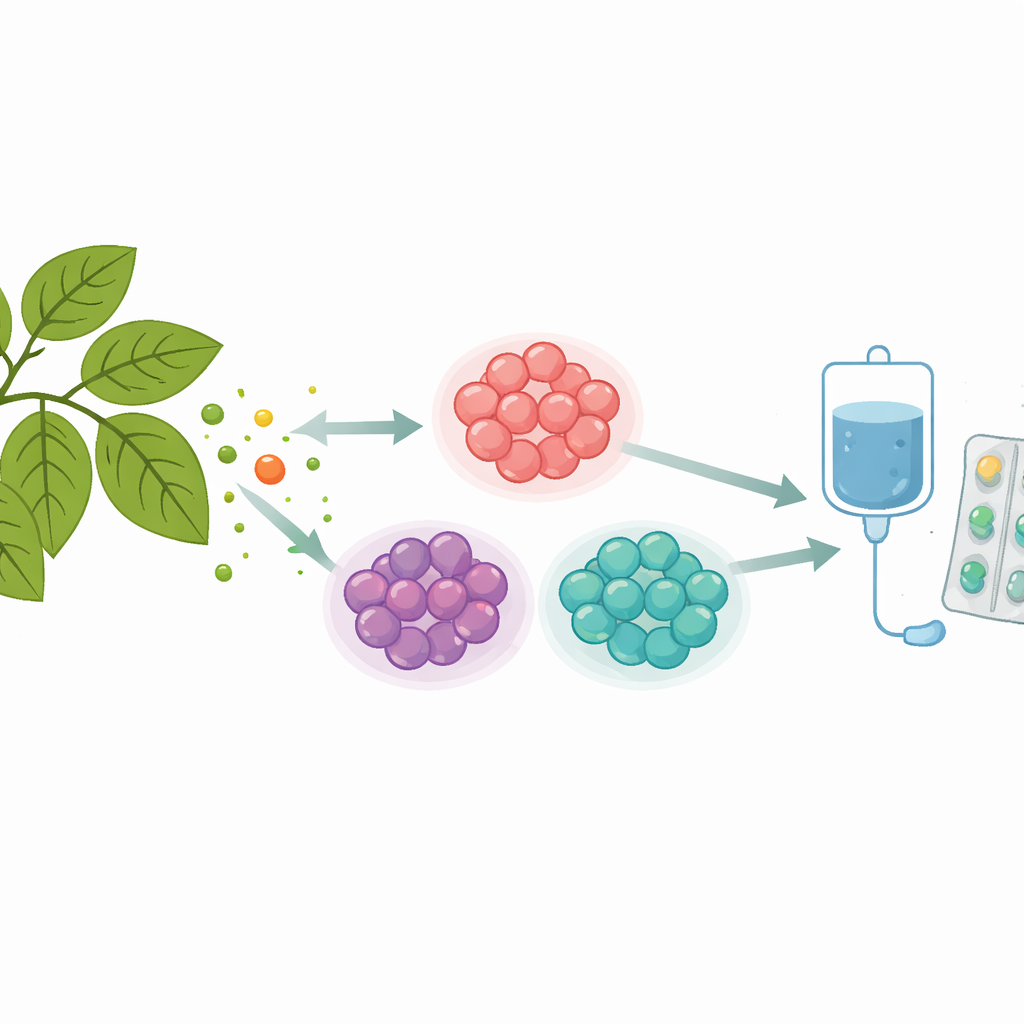
Cancer drugs can save lives, but they often come with harsh side effects and sometimes stop working as tumors become resistant. This study explores whether a traditional Southeast Asian tree, Mitragyna speciosa—better known as kratom—might help standard cancer medicines work more efficiently. By looking closely at kratom leaf extracts and their main natural compound, mitragynine, the researchers asked a simple question: can these plant chemicals make cancer cells more vulnerable to chemotherapy while offering antioxidant benefits?
What is inside kratom leaves
The team first mapped out the chemical makeup of kratom leaves using advanced laboratory techniques. They confirmed that mitragynine is the dominant alkaloid, making up about one-third of the extract, alongside smaller amounts of related alkaloids and plant sterols. The extract was also rich in phenolic and flavonoid compounds, families of molecules often linked to health-protective effects. When tested with several standard antioxidant assays, the kratom extract clearly neutralized reactive molecules known as free radicals and showed strong “reducing power,” a sign that it can help counter oxidative stress. Altogether, these tests indicate that kratom leaves contain a complex mix of natural chemicals with the potential to protect cells from damage.
Testing the plant against cancer cells
Next, the researchers applied kratom extract and pure mitragynine to three types of human cancer cells grown in the lab: lung cancer (A549), bile duct cancer or cholangiocarcinoma (KKU213C), and cervical cancer (HeLa). Over 24 to 72 hours, both the crude extract and mitragynine reduced cancer cell growth in a clear dose- and time-dependent way—the more and the longer they were applied, the fewer cells survived. Mitragynine was consistently more potent than the crude extract, especially against cholangiocarcinoma cells, which turned out to be the most sensitive of the three cancer types tested. These findings suggest that the main active component of kratom may be responsible for much of its anticancer action.
Helping existing drugs hit harder
The most intriguing part of the study examined combinations: kratom extract or mitragynine together with standard chemotherapy drugs. For lung and cervical cancer cells, the researchers used cisplatin, a widely used anticancer drug; for cholangiocarcinoma cells, they used gemcitabine. When low, suboptimal doses of chemotherapy were combined with kratom extract or mitragynine, cancer cells often became far more sensitive to treatment. In cervical cancer cells, kratom extract increased the effectiveness of cisplatin by up to about twentyfold, and mitragynine by up to about twenty-sevenfold. In bile duct cancer cells, mitragynine made gemcitabine more effective by more than elevenfold. Mathematical analysis showed that many of these combinations were synergistic, meaning the plant compounds and the drugs worked better together than expected from their individual effects.
Peeking inside the cell’s life-or-death switch
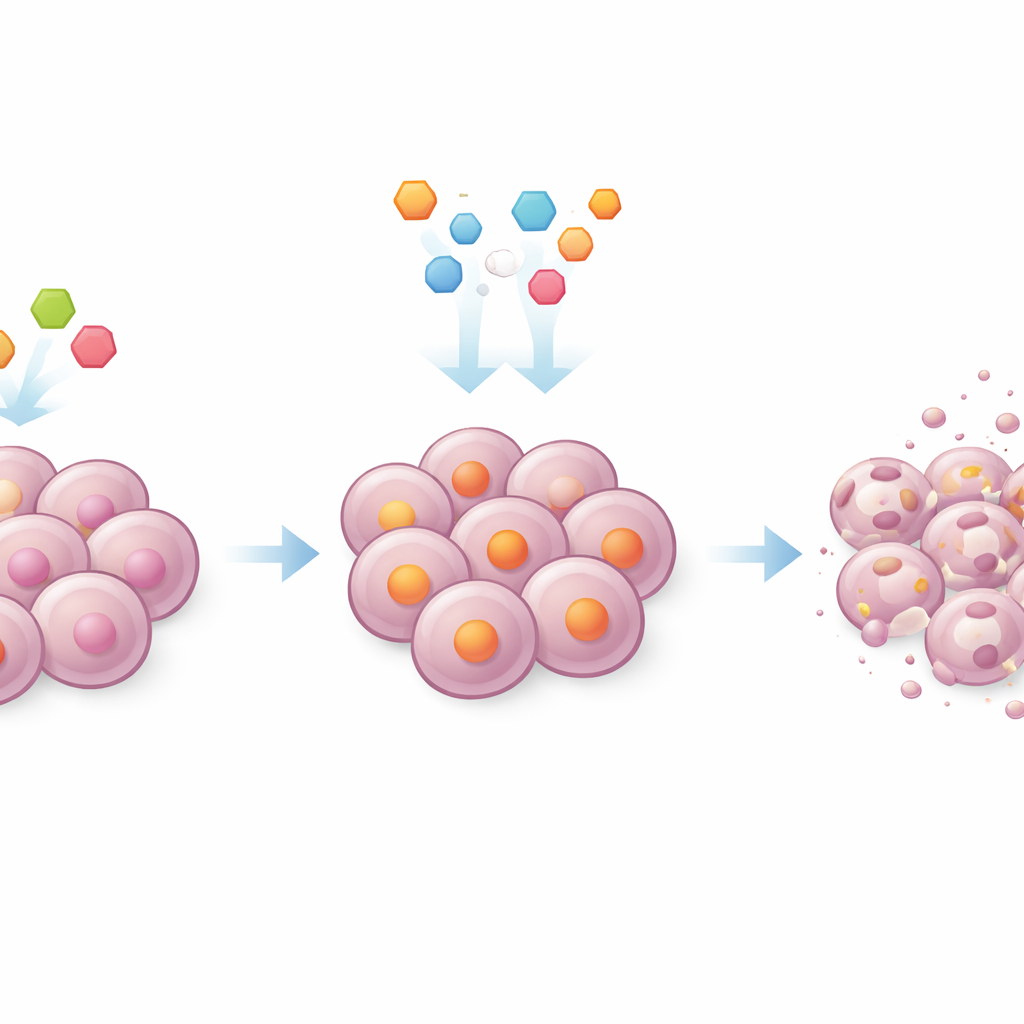
To understand how this synergy might work, the scientists measured levels of BCL-2, a protein that acts as a cellular “survival switch” by blocking programmed cell death. Cancer cells often keep BCL-2 levels high to avoid being killed by treatment. In this study, kratom extract alone lowered BCL-2 levels, and the drop was even greater when kratom was combined with cisplatin or gemcitabine. This pattern was seen across lung, bile duct, and cervical cancer cells, suggesting that the plant compounds help push the cells toward self-destruction when confronted with chemotherapy. Taken together with earlier work, the authors propose that mitragynine may promote cancer cell death through several intertwined stress and signaling pathways.
What this could mean for future cancer care
Overall, the study shows that kratom leaf extract and its main alkaloid, mitragynine, can slow the growth of several types of cancer cells in the lab and, even more importantly, can make standard chemotherapy drugs more effective at killing those cells. By lowering key survival signals inside tumors, these natural compounds appear to act as “chemosensitizers,” potentially allowing lower doses of toxic drugs to achieve the same or better results. However, all of the experiments were done in cell cultures, not in animals or people, and kratom itself has complex effects and safety concerns. The authors stress that much more work—especially studies in living organisms and carefully controlled clinical trials—is needed before kratom-derived compounds could be considered as partners to conventional cancer treatment.
Citation: Kongsila, P., Boonmars, T., Sriraj, P. et al. Phytochemical profile and chemosensitizing anticancer activity of Mitragyna speciosa and mitragynine. Sci Rep 16, 13116 (2026). https://doi.org/10.1038/s41598-026-43711-5
Keywords: kratom, mitragynine, chemosensitizer, cancer therapy, plant-derived compounds