Clear Sky Science · en
North–South asymmetry of Parkinson’s disease mortality in Brazil between 2009 and 2023: a spatial analysis
Why where you live can shape Parkinson’s outcomes
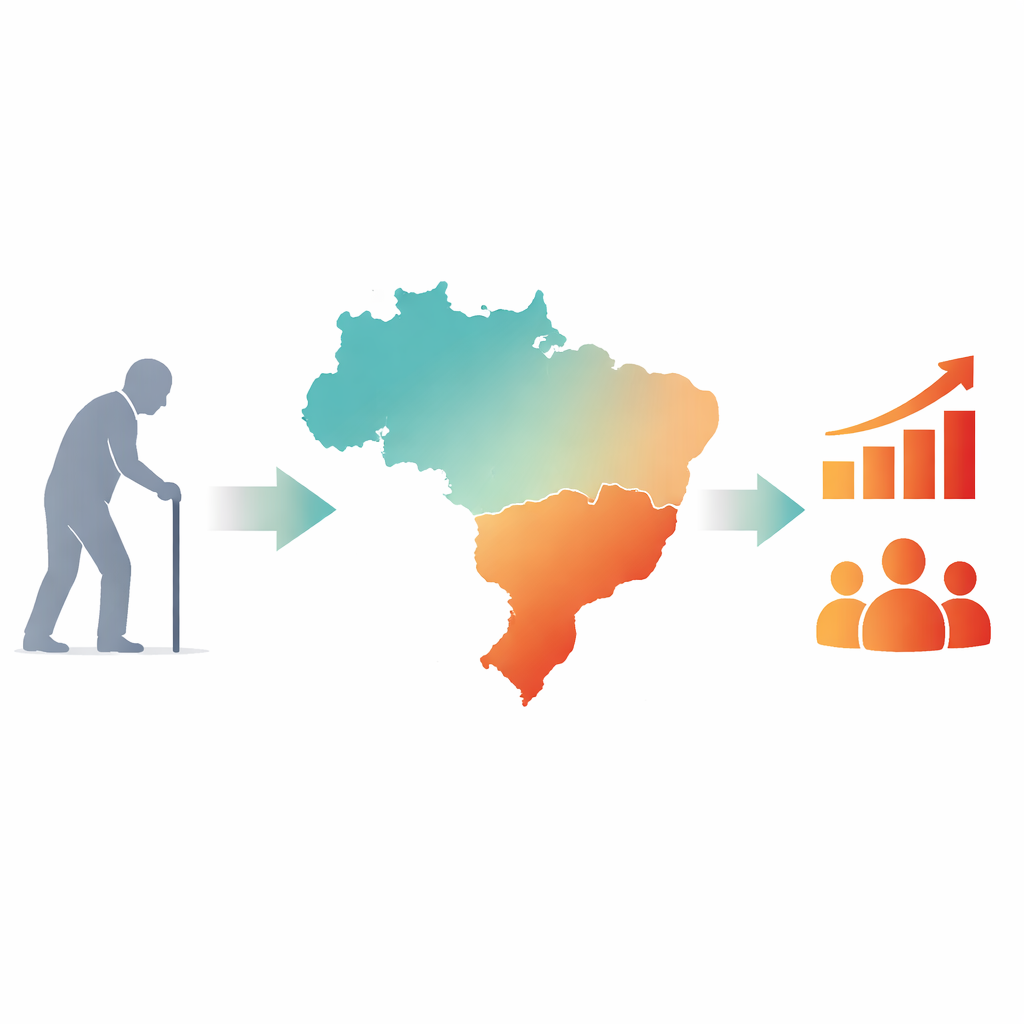
Parkinson’s disease is often thought of as an individual illness, but this study shows that where people live can strongly influence their chances of dying from it. By looking at every adult death certificate in Brazil over 15 years, the authors uncovered a striking pattern: deaths among people with Parkinson’s are much more common in the south of the country than in the north. Understanding this geographic divide can help explain how aging, environment, and access to care intertwine to shape health.
A closer look at deaths linked to Parkinson’s
The researchers analyzed more than 19 million deaths registered in Brazil between 2009 and 2023. Among these, over 116,000 people had Parkinson’s disease listed somewhere on their death certificate, either as the main cause or as a contributing condition. Most of these individuals were older—nearly six in ten were at least 80 years old when they died—and men were generally more likely to die with Parkinson’s than women, except in the very oldest age group. Most deaths occurred among people who self-identified as White and who lived and died in the same state, allowing the team to map local patterns with confidence.
A country split between north and south
To compare regions fairly, the team adjusted death rates so that differences in age and sex across Brazil would not distort the picture. They then used spatial statistics to see whether neighboring regions tended to share similar patterns. A clear north–south divide emerged. Southern and southeastern states consistently showed higher Parkinson’s-related death rates, whereas northern and northeastern states showed lower rates. Clusters of high-mortality areas appeared repeatedly in states like Rio Grande do Sul, Santa Catarina, São Paulo, and Minas Gerais, while clusters of low-mortality areas were concentrated in Amazonian and northeastern states. These patterns were stable when the data were grouped into three-year periods, indicating a persistent structural contrast rather than short-term fluctuation.
Untangling age, environment, and health care
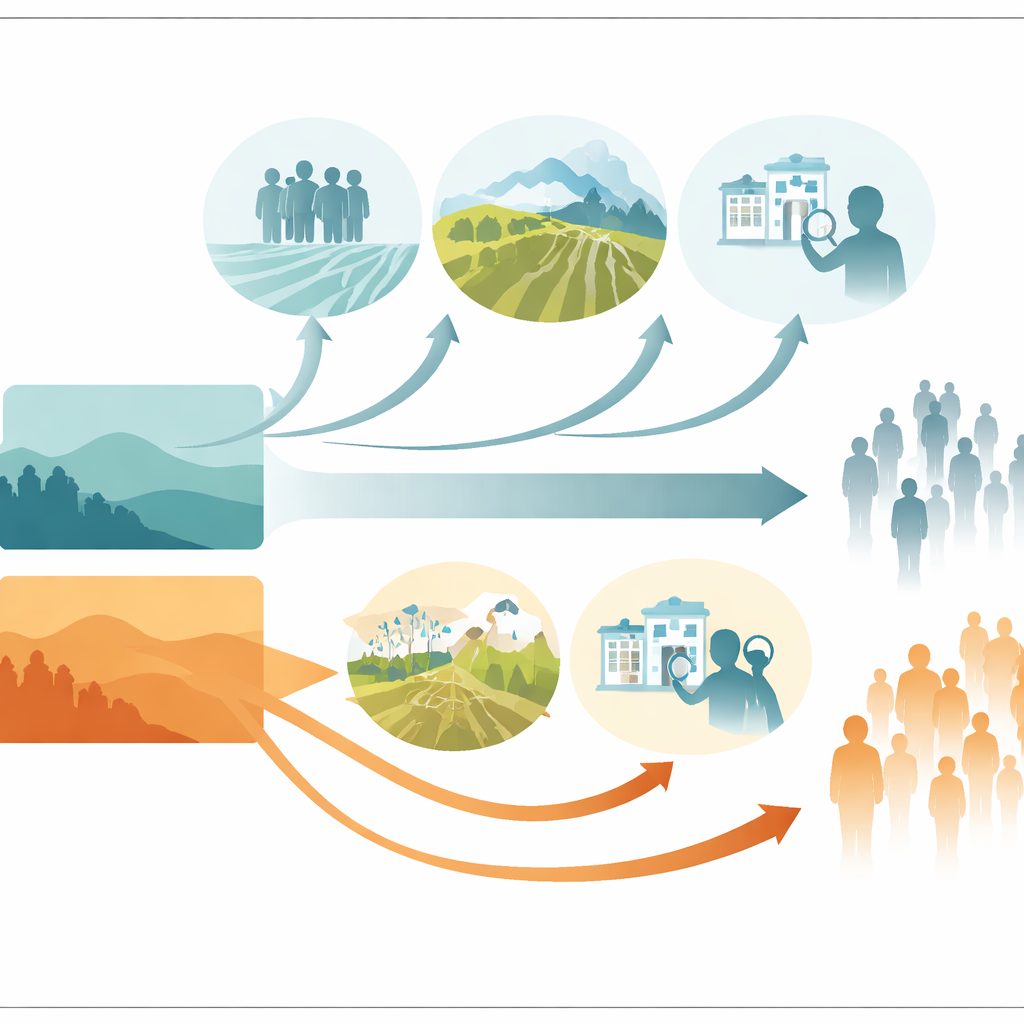
Why would the more prosperous South and Southeast, with better health systems, show higher Parkinson’s death rates? One explanation is demographics: these regions are older and have longer life expectancy, so more residents live long enough to develop and die with Parkinson’s. Better access to neurologists and diagnostic services also means the disease is more often recognized and correctly recorded on death certificates. At the same time, the study points to environmental factors. Southern and southeastern states have long histories of intensive agriculture and mining, exposing workers and nearby communities to pesticides and heavy metals, both suspected of increasing the risk of Parkinson’s and possibly affecting its progression.
Hidden burden in underserved regions
Lower death rates in the North and Northeast might seem reassuring, but the authors warn that they may partly reflect gaps in diagnosis and reporting, rather than real protection. These regions have fewer specialists and more limited health infrastructure. People with Parkinson’s may be misdiagnosed, or their condition may never be recorded on death certificates. Some families may even relocate to better-served areas in search of care, further distorting local statistics. To test whether poor data quality alone could explain the observed pattern, the researchers re-estimated death rates after redistributing vague or poorly specified causes of death. The north–south contrast persisted, suggesting that under-recording plays a role but does not fully account for the asymmetry.
What these findings mean for public health
In simple terms, the study shows that Parkinson’s disease has become a serious and uneven public health problem in Brazil. People in the south are more likely to die with the condition, probably because they are older, more frequently diagnosed, and more exposed to certain environmental risks. People in the north may appear safer on paper, but many cases are likely going unrecognized. The authors argue that Brazil needs policies that both improve diagnosis—especially in underserved regions—and reduce potential environmental hazards such as heavy pesticide use and poorly controlled mining. Strengthening access to treatment, rehabilitation, and palliative care, alongside better surveillance of Parkinson’s cases, could help ensure that where someone lives no longer dictates their chances of living well, and long, with this disease.
Citation: Cabral, A.M., Nasuto, S.J., Benito-León, J. et al. North–South asymmetry of Parkinson’s disease mortality in Brazil between 2009 and 2023: a spatial analysis. Sci Rep 16, 13237 (2026). https://doi.org/10.1038/s41598-026-43581-x
Keywords: Parkinson’s disease, Brazil, mortality, spatial analysis, environmental risk