Clear Sky Science · en
Effect of sex differences on the emergence of ctDNA RAS mutations in RAS wild-type colorectal cancer
Why tiny DNA fragments in blood matter
Colorectal cancer is one of the leading causes of cancer deaths worldwide, and many patients are now treated with drugs chosen to match the genetic makeup of their tumors. One key gene family, called RAS, helps decide which targeted medicines will work. Doctors have long known that RAS mutations can appear or disappear over time, but it has been unclear which patients are most likely to see new mutations emerge during treatment. This study asks a practical question with real consequences for care: which people with advanced colorectal cancer are at higher risk of developing new RAS mutations, and when should their blood be checked for these changes?
Watching cancer change through a blood sample
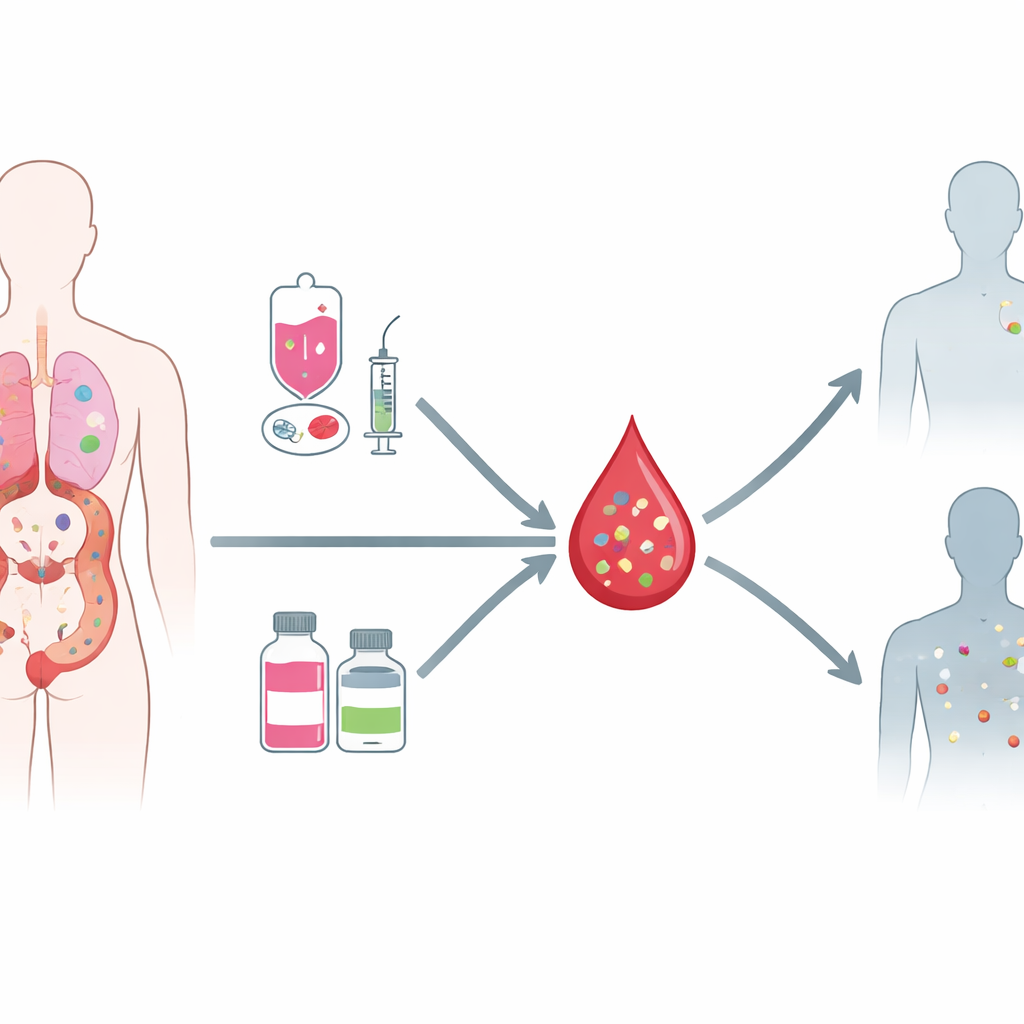
The researchers focused on 43 people with metastatic colorectal cancer whose tumors were initially confirmed to be RAS wild-type, meaning they carried no detectable RAS mutations at diagnosis. All patients had tumors that were also stable in other key genes (microsatellite stable and BRAF wild-type). Instead of repeatedly sampling tumor tissue, which is invasive and difficult, the team used a blood-based "liquid biopsy" that looks for fragments of tumor DNA circulating in the bloodstream, known as circulating tumor DNA. By comparing information gathered before treatment with results obtained at the time of these blood tests, they set out to find which clinical features were linked to the later appearance of RAS mutations.
Who developed new mutations during treatment
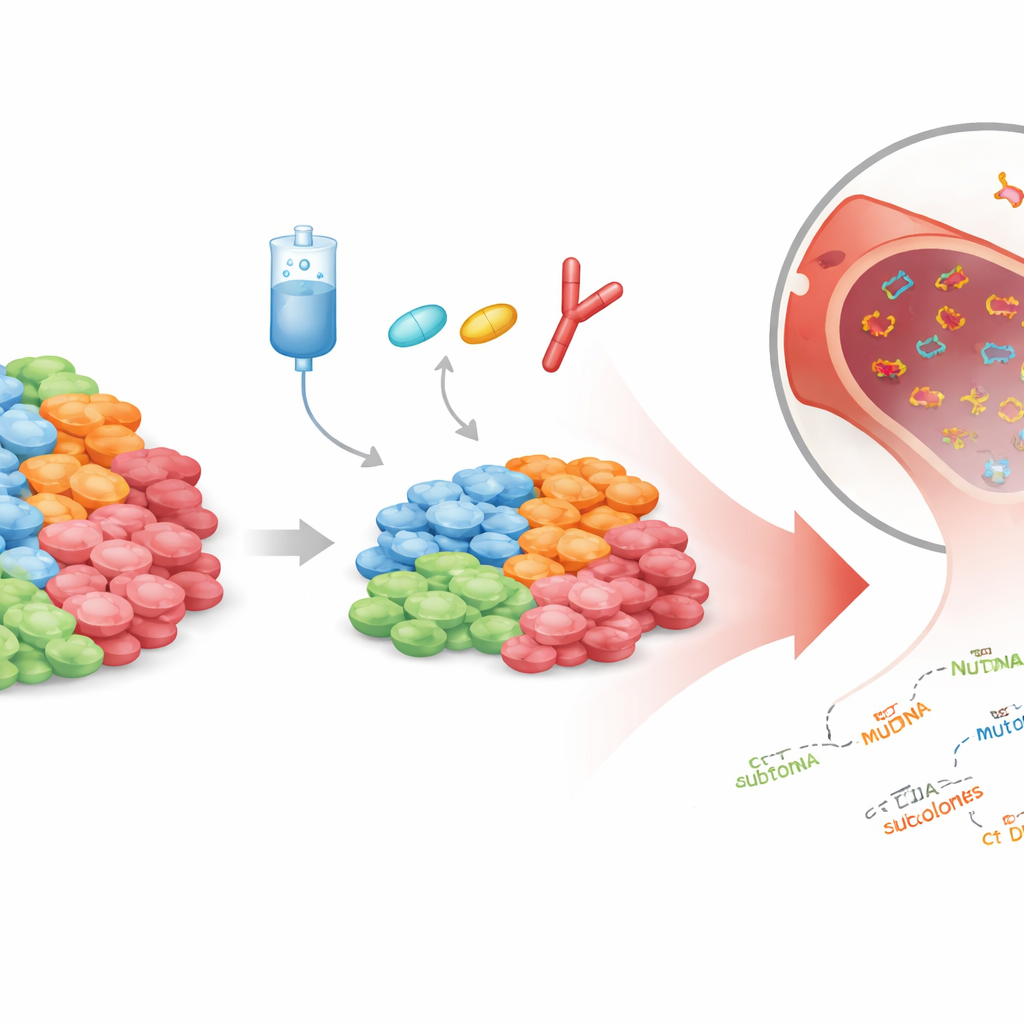
Over the course of standard chemotherapy and targeted therapy, new RAS mutations were found in the blood of 13 of the 43 patients—about 30 percent. These mutations appeared in several specific positions within the RAS genes KRAS and NRAS, but from a patient’s perspective the key point is that a tumor once considered suitable for certain drugs could later change its genetic face. Most of these changes were detected either at the first liquid biopsy test or after a second test about eight months later, showing that tumor genetics can continue to evolve well after treatment begins.
Sex and tumor burden as hidden risk clues
To understand what might drive these new mutations, the team compared many clinical factors between patients who stayed RAS wild-type and those who developed mutations. In simple comparisons, younger age, being female, and having higher levels of a blood marker called carcinoembryonic antigen (CEA) at the time of the liquid biopsy all seemed linked to mutation emergence. When the researchers used more advanced statistics to tease apart overlapping effects, two factors stood out as independently important: female sex and higher CEA levels at the time of the blood test. CEA is a long-established marker of tumor burden in colorectal cancer, so high levels suggest a larger or more active tumor shedding more DNA into the bloodstream.
What the findings may mean for treatment planning
The study also examined overall survival and found no clear difference between patients whose tumors gained RAS mutations and those who remained RAS wild-type, at least within this relatively small group. Even so, the pattern of who developed mutations offers clues about biology. Women may process chemotherapy drugs differently, and their immune environments may place distinct pressures on tumor cells, potentially favoring the growth of resistant cell families that carry RAS mutations. Likewise, patients with more extensive disease—as reflected by higher CEA—may simply harbor more diverse tumor cell populations, increasing the chances that RAS-mutant clones will rise to prominence under treatment.
How this could guide future cancer care
For people living with advanced colorectal cancer, the main takeaway is that their tumor’s genetic makeup is not fixed. This study suggests that women and patients with high CEA levels during therapy may benefit from closer, real-time genetic monitoring with liquid biopsies to catch emerging RAS mutations early. While the research involved a small number of patients from a single center and needs confirmation in larger studies, it supports a move toward more personalized follow-up strategies. In practical terms, combining simple blood tests like CEA with periodic ctDNA analysis could help doctors decide when to reconsider treatment choices as the cancer evolves, aiming to stay one step ahead of drug resistance.
Citation: Iguchi, K., Uchiyama, M., Asari, M. et al. Effect of sex differences on the emergence of ctDNA RAS mutations in RAS wild-type colorectal cancer. Sci Rep 16, 12898 (2026). https://doi.org/10.1038/s41598-026-42920-2
Keywords: metastatic colorectal cancer, RAS mutation, liquid biopsy, circulating tumor DNA, sex differences