Clear Sky Science · en
Effects of post-treatment systolic blood pressure on adverse outcomes in hypertensive population with comorbidity
Why blood pressure targets matter
Many people with high blood pressure also live with other long-term illnesses such as diabetes, kidney problems, lung disease, or cancer. Doctors know that lowering blood pressure reduces the risk of heart attacks and strokes, but they still wrestle with a basic question: how low is too low, especially in patients whose health is already complicated by several conditions? This study followed more than twenty thousand adults in China for over seven years to pinpoint the safest blood pressure range after treatment for people with and without additional chronic diseases.
Who was studied and how
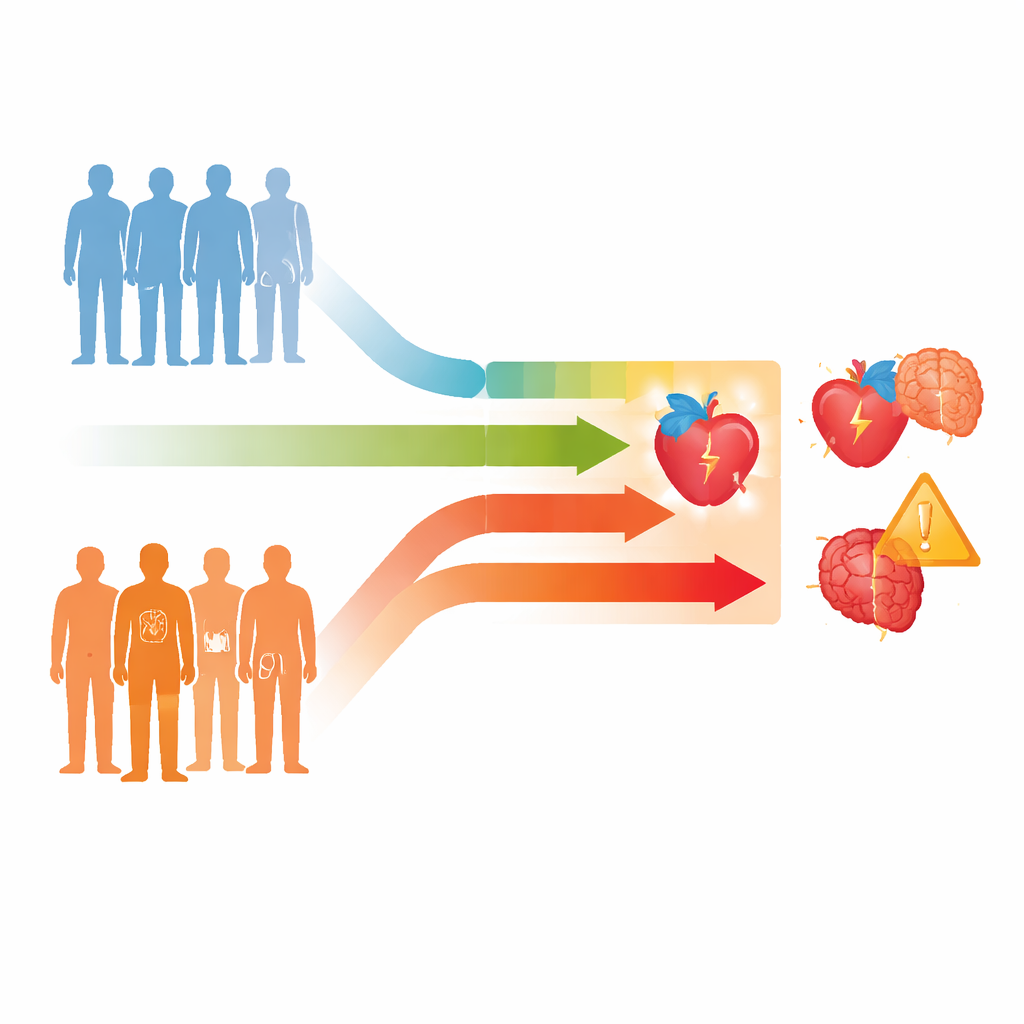
The researchers drew on a large long-running community study called the Kailuan cohort. From this group, they identified over 11,000 adults who had high blood pressure plus at least one other chronic illness, and matched them to a similar number of adults who had high blood pressure alone. Everyone was taking medicines to control their blood pressure. Participants had regular health checks, and their blood pressure, medical records, and medication use were tracked. The team then watched to see who went on to have heart and blood vessel problems—such as heart attacks or strokes—or died from any cause.
Finding the safest range for the heart and brain
To make sense of the data, the scientists grouped people by their average treated top blood pressure number (systolic pressure): below 110; 110–119; 120–129; 130–139; 140–159; and 160 or higher, measured in millimeters of mercury (mm Hg). Among people with other chronic illnesses, the lowest rate of heart and blood vessel events was seen when their systolic pressure stayed between 110 and 119 mm Hg. If their pressure climbed above this range, the risk of future heart attack or stroke rose steadily, especially once it reached 160 mm Hg or more. In contrast, people who had high blood pressure but no additional illnesses did best when their systolic pressure was under 110 mm Hg, suggesting they could safely aim a bit lower.
Balancing stroke prevention with overall survival
Survival told a more nuanced story. When the researchers looked at deaths from any cause, both groups—those with and without other illnesses—had the lowest death rates when systolic pressure fell between 120 and 129 mm Hg. Importantly, in people with chronic illnesses, pushing pressure lower than this did not clearly increase the chance of dying during the study, but it also did not reduce deaths further. Very high pressures, especially 160 mm Hg and above, were consistently linked with more deaths and more heart and brain events. These patterns held up even after the team accounted for age, sex, smoking, exercise, blood test results and the intensity of blood pressure treatment, and after multiple sensitivity checks that removed participants with signs of very poor health.
Do other illnesses and age change the picture?
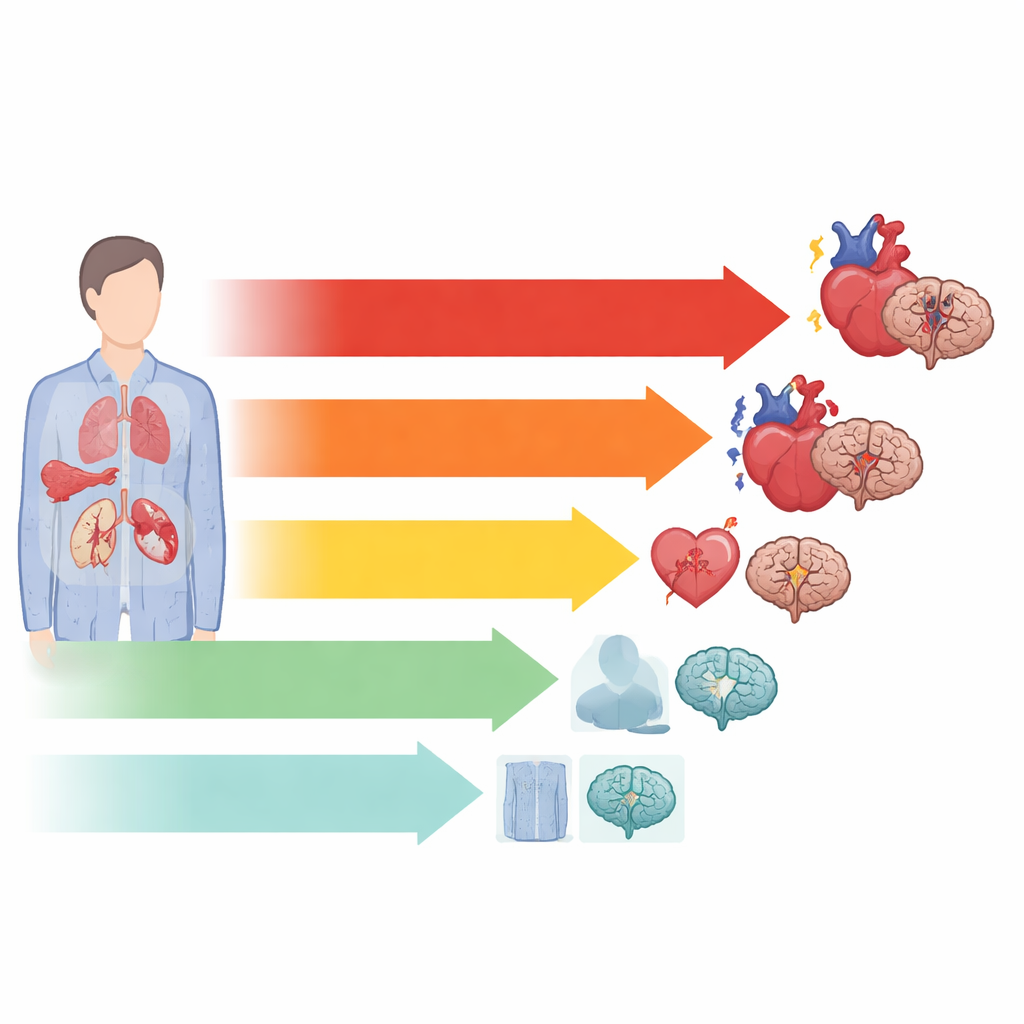
The study also explored whether specific diseases, the number of illnesses, age, or strength of treatment changed the best blood pressure range. Most participants with other illnesses had diabetes or cancer, and many had kidney or liver problems or chronic lung disease. No matter which of these conditions the researchers removed from the analysis, the results stayed almost the same: the safest range for avoiding heart and vessel events was still 110–119 mm Hg, and the lowest death risk still clustered around 120–129 mm Hg. Older adults, including those over 65, showed similar patterns. Even among people taking stronger combinations of blood pressure drugs, what mattered most was the achieved pressure level itself, not simply how many pills they took.
What this means for patients and doctors
For people living with high blood pressure plus other chronic illnesses, these findings suggest that blood pressure goals should be tailored rather than one-size-fits-all. Keeping systolic pressure in the 120–129 mm Hg range appears safest overall for long-term survival, especially for those with limited life expectancy or multiple serious conditions. For patients who are relatively robust and expected to live longer, aiming a bit lower—around 110–119 mm Hg—may give extra protection against heart attacks and strokes, provided treatment is well tolerated. At the same time, the study underscores that people with additional chronic diseases face higher risks than those with high blood pressure alone at any given pressure level, highlighting the need to manage their other conditions just as carefully as their blood pressure.
Citation: Huang, Z., Jiang, J., Wang, G. et al. Effects of post-treatment systolic blood pressure on adverse outcomes in hypertensive population with comorbidity. Sci Rep 16, 14594 (2026). https://doi.org/10.1038/s41598-026-42443-w
Keywords: systolic blood pressure, hypertension, comorbidities, cardiovascular risk, blood pressure targets