Clear Sky Science · en
Association between uterine fibroids and hypertension among women of reproductive age in Eastern Sudan: a matched case–control study
Why this women’s health story matters
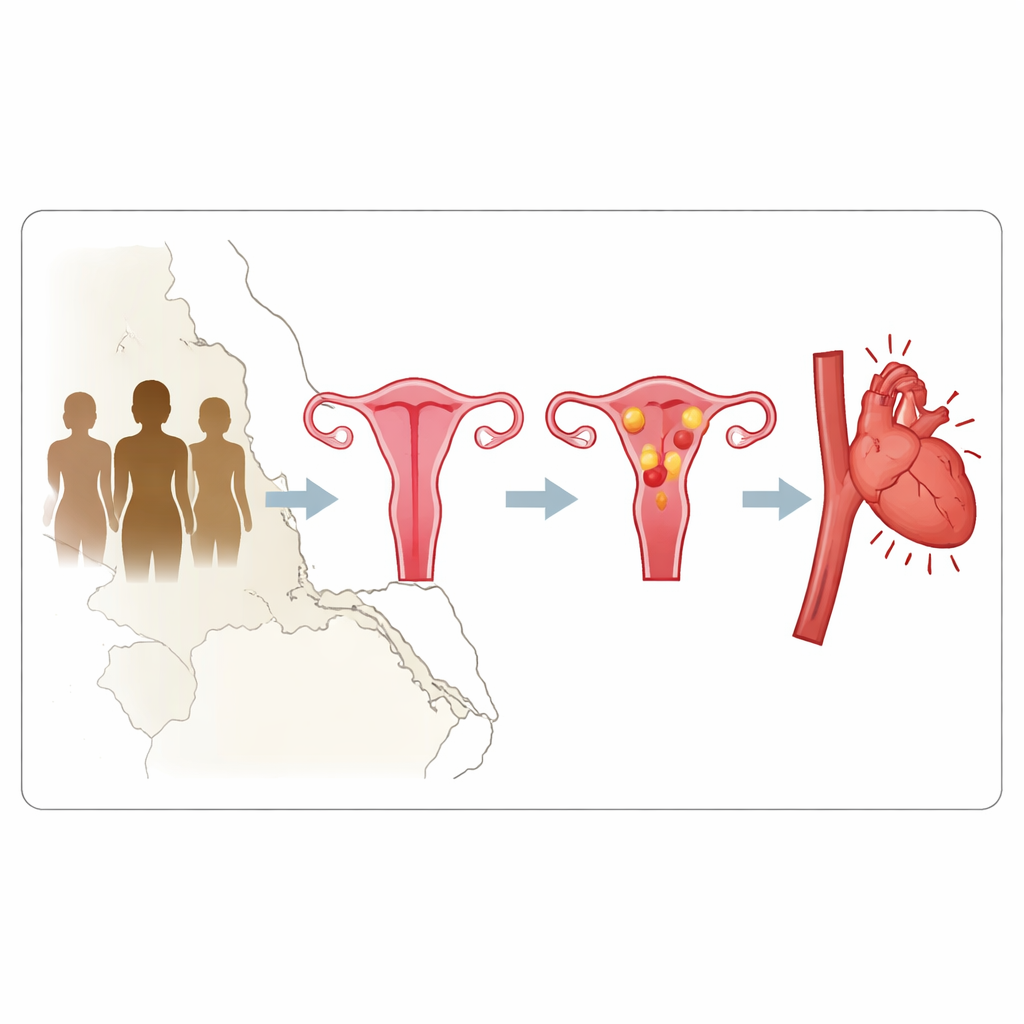
Uterine fibroids—noncancerous growths in the womb—and high blood pressure are both very common, especially among women in Africa and those of African ancestry. Yet doctors still debate whether these two conditions are linked. This study from Eastern Sudan takes a close look at women of childbearing age to see whether having high blood pressure makes it more likely that a woman will also have fibroids. The answer could shape how clinics screen, counsel and treat women’s health in places where medical resources are limited.
Common growths that cause real problems
Fibroids are lumps of muscle tissue that form in the wall of the uterus. They are benign, meaning they are not cancer, but they can still cause heavy bleeding, pain, trouble getting pregnant and, in some cases, the need for surgery to remove the uterus. Worldwide, at least one in four women in their reproductive years has noticeable fibroids, and by menopause that share rises to more than two out of three. Earlier work has suggested that fibroids may be more frequent and more severe among women living in sub-Saharan Africa, where access to care is often limited and many health problems go untreated.
High blood pressure and a possible hidden link
High blood pressure, or hypertension, quietly damages blood vessels throughout the body and is a leading cause of early death around the globe. Many studies from Europe, North America and other African countries have hinted that women with fibroids are more likely to have high blood pressure, too. Some research even suggests that changes in blood vessels and hormones related to hypertension might create conditions that encourage fibroids to grow. But until now, no one had carefully explored this relationship in Sudan, a country where both fibroids and hypertension are known to be common.
How the Sudanese study was done
Researchers at New Halfa Maternity Hospital in Eastern Sudan carried out a case–control study, a design often used to look for links between a health condition and possible risk factors. They enrolled 214 nonpregnant women aged 18 to 49 who came to the hospital between March and November 2024. Half of them had fibroids confirmed by ultrasound; the other half, matched by age and number of past pregnancies, did not. All women answered questions about their education, work and marital status and had their height, weight, blood pressure and blood counts measured. The team then used statistical methods to compare women with and without fibroids while accounting for these other characteristics.
What the researchers found
The two groups of women were similar in age, number of births, body size and blood iron levels. However, women with fibroids were more likely to have already finished secondary school, to be employed and to be unmarried. Most strikingly, they were also more than twice as likely to have high blood pressure: 43 percent of women with fibroids had hypertension, compared with about 21 percent of women without fibroids. When the researchers ran more detailed analyses to adjust for education, job status, marital status and body mass index, the association between fibroids and hypertension remained. Women with high blood pressure had roughly double the odds of having fibroids compared with women whose blood pressure was normal.
What this could mean for care and prevention
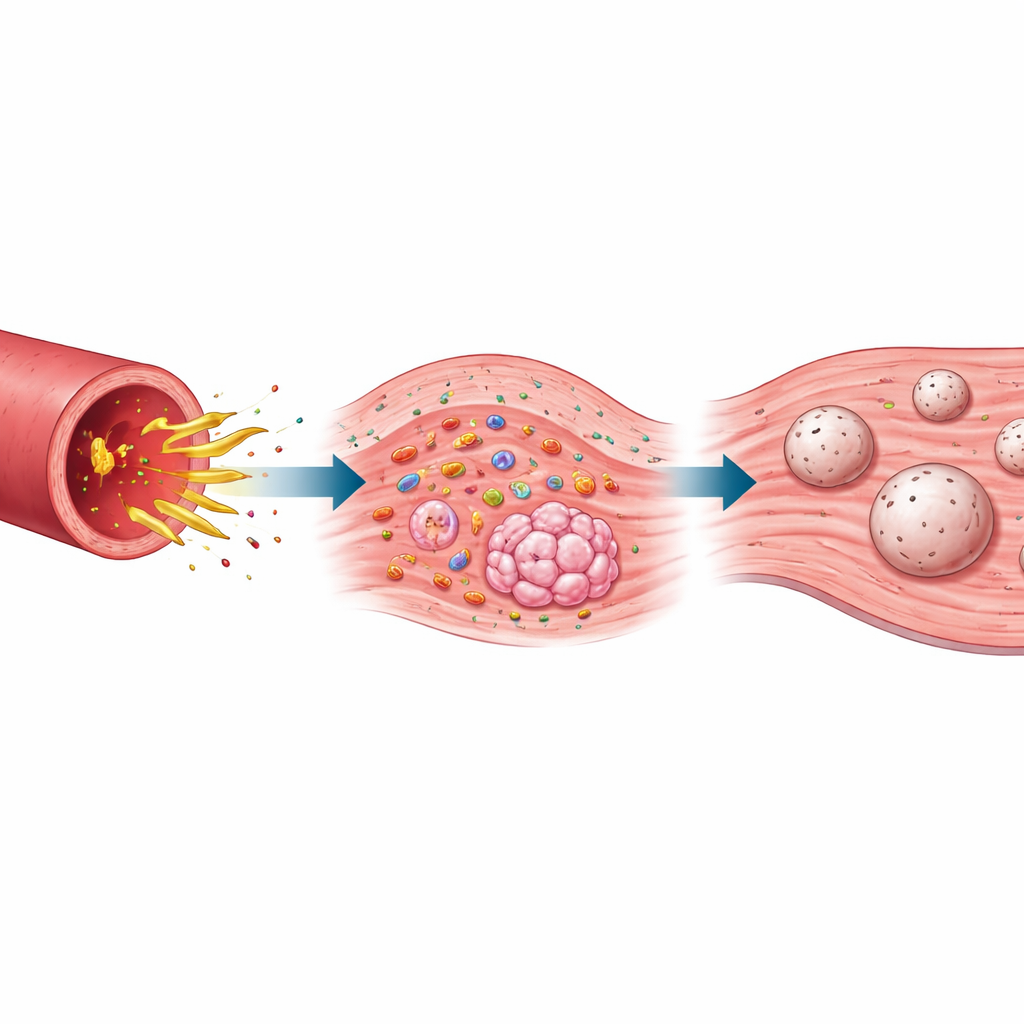
The authors note that their work cannot prove which condition comes first, since blood pressure and fibroids were measured at the same time. They also point out that the study involved just one hospital and may not reflect all women in Sudan. Still, their findings match reports from other countries and add weight to the idea that fibroids and hypertension are intertwined. Possible explanations include damage to the tiny blood vessels in the uterus from long-standing high blood pressure, shifts in growth-signaling molecules such as those in the body’s blood-pressure system, and shared lifestyle or genetic risks.
Take‑home message for women and clinicians
For women in Eastern Sudan—and in many similar settings—the study suggests that fibroids and high blood pressure should not be viewed in isolation. A woman diagnosed with fibroids may benefit from regular blood pressure checks, and women known to have hypertension might be advised to seek gynecologic evaluation, especially if they have heavy periods or pelvic discomfort. While more research is needed to untangle the biological pathways linking these two conditions, the message for now is practical: careful screening for both fibroids and hypertension could catch problems earlier and improve women’s health in regions where both conditions are widespread.
Citation: Abdallah, A.A., Hassan, O.A., AlHabardi, N. et al. Association between uterine fibroids and hypertension among women of reproductive age in Eastern Sudan: a matched case–control study. Sci Rep 16, 12786 (2026). https://doi.org/10.1038/s41598-026-42224-5
Keywords: uterine fibroids, hypertension, women’s health, Sudan, reproductive age