Clear Sky Science · en
Prevalence and factors associated with characteristics of hepatitis B susceptibility among vaccinated adults in Malaysia: a cross-sectional study
Why this matters for everyday health
Most people assume that once they have been vaccinated against a disease, they are protected for life. This study challenges that comfort for hepatitis B, a virus that can quietly damage the liver for decades. By taking blood samples from a nationwide sample of Malaysian adults, the researchers asked a simple but unsettling question: how many people who believe they are protected are actually still at risk—and who is most affected?
Looking at immunity across the country
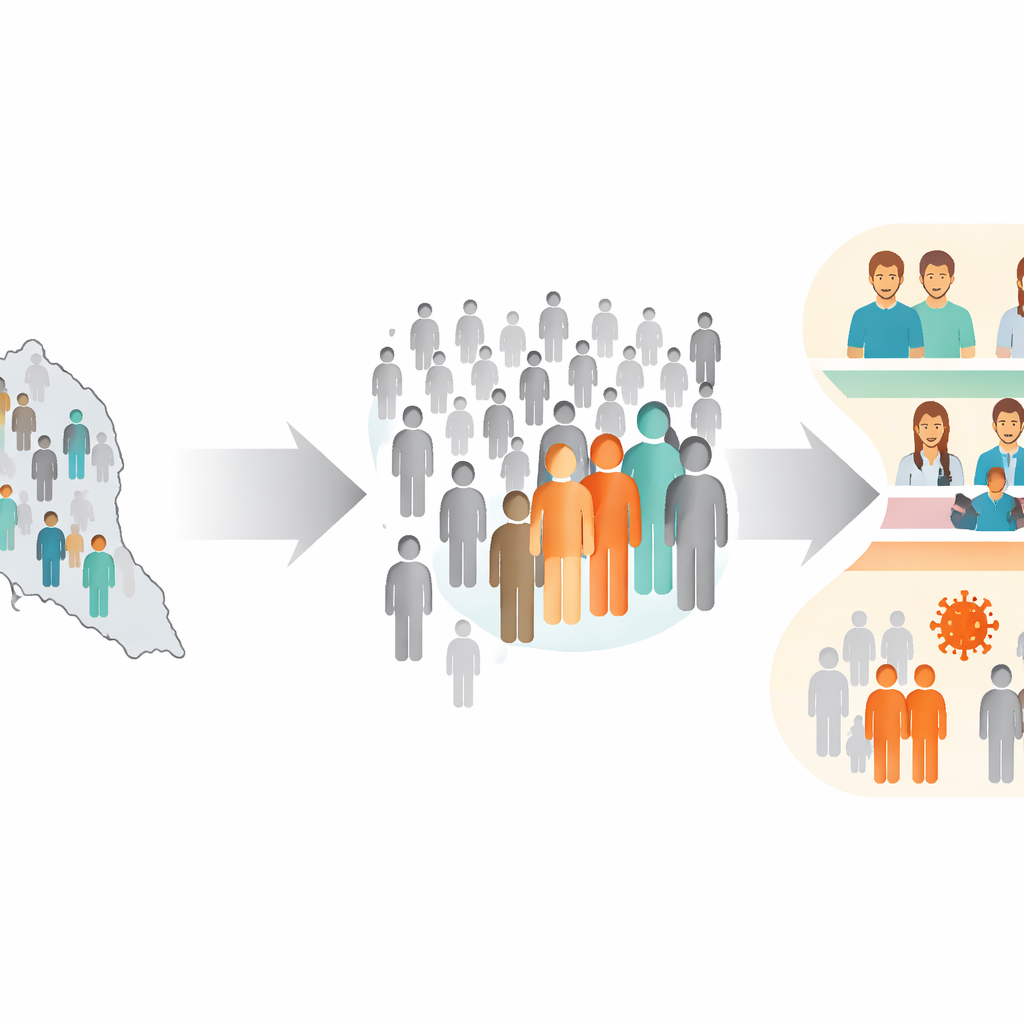
To answer this, the team used data from Malaysia’s 2020 National Health and Morbidity Survey, which is designed to represent the whole population. More than four thousand people aged 15 and older gave blood samples and answered questions about their background and vaccination history. The researchers tested the samples for several markers that reveal whether a person is currently infected, protected by past vaccination, or still vulnerable to hepatitis B. Using these results, they defined who was susceptible and then linked that status to age, ethnicity, education, and marital status.
How many adults are still at risk
The findings were striking. Almost two-thirds of Malaysian adults—about 63 percent—had no sign of protection and were therefore considered susceptible to hepatitis B infection. Even among those who said they had been vaccinated, nearly one in four still lacked protective markers. Young adults aged 15 to 29, who were the first generation to grow up under Malaysia’s universal infant vaccination program, turned out to be the most vulnerable group. In contrast, the oldest adults were the least susceptible, likely because many had been naturally exposed to the virus earlier in life and developed lasting immunity.
Who is most affected and why
Susceptibility was not evenly spread across society. When the researchers compared different social groups, they found clear patterns. Some ethnic minorities, including people of Chinese and other non-Malay backgrounds, had higher chances of being susceptible once other factors were accounted for. People with more years of schooling—secondary or tertiary education—also had greater odds of being unprotected than those with no formal education, an unexpected finding given that education is usually linked to better health. Single adults tended to be more susceptible than those who were married or previously married. The authors suggest that fading vaccine protection over time, inherited differences in immune response, gaps in vaccination follow-up, and lower use of preventive health services among some groups may all play a role.

What this means for vaccination policies
These results send a clear message: giving shots in infancy, while essential, is not enough on its own to ensure lifelong protection against hepatitis B. The study argues that Malaysia should consider adding routine blood checks for hepatitis B immunity to adult health visits, especially for young adults, health workers, single people, and minority communities. People found to lack protection could then be offered extra doses of vaccine. Public health campaigns tailored to different cultural groups and levels of education could help correct misunderstandings about how long vaccine protection lasts and encourage adults to check their status.
Take-home message for the public
For the average reader, the key takeaway is that “vaccinated” does not always mean “still protected,” particularly when vaccines were given decades earlier in childhood. In Malaysia, many adults who believe they are safe from hepatitis B may in fact be vulnerable, including a sizable minority who completed vaccination in the past. The study’s authors conclude that smarter, targeted strategies—such as adult screening, booster shots for at-risk groups, and better outreach—are needed to close these hidden immunity gaps. Doing so would not only protect individuals from chronic liver disease and cancer but also help the country move closer to the global goal of eliminating hepatitis B as a public health threat.
Citation: Asari, F.N., Muhammad, E.N., Ramly, N. et al. Prevalence and factors associated with characteristics of hepatitis B susceptibility among vaccinated adults in Malaysia: a cross-sectional study. Sci Rep 16, 11919 (2026). https://doi.org/10.1038/s41598-026-42115-9
Keywords: hepatitis B, vaccine immunity, Malaysia, adult health, public health policy