Clear Sky Science · en
Co-designed principles for establishment of a virtual hospital
Health Care That Comes to You
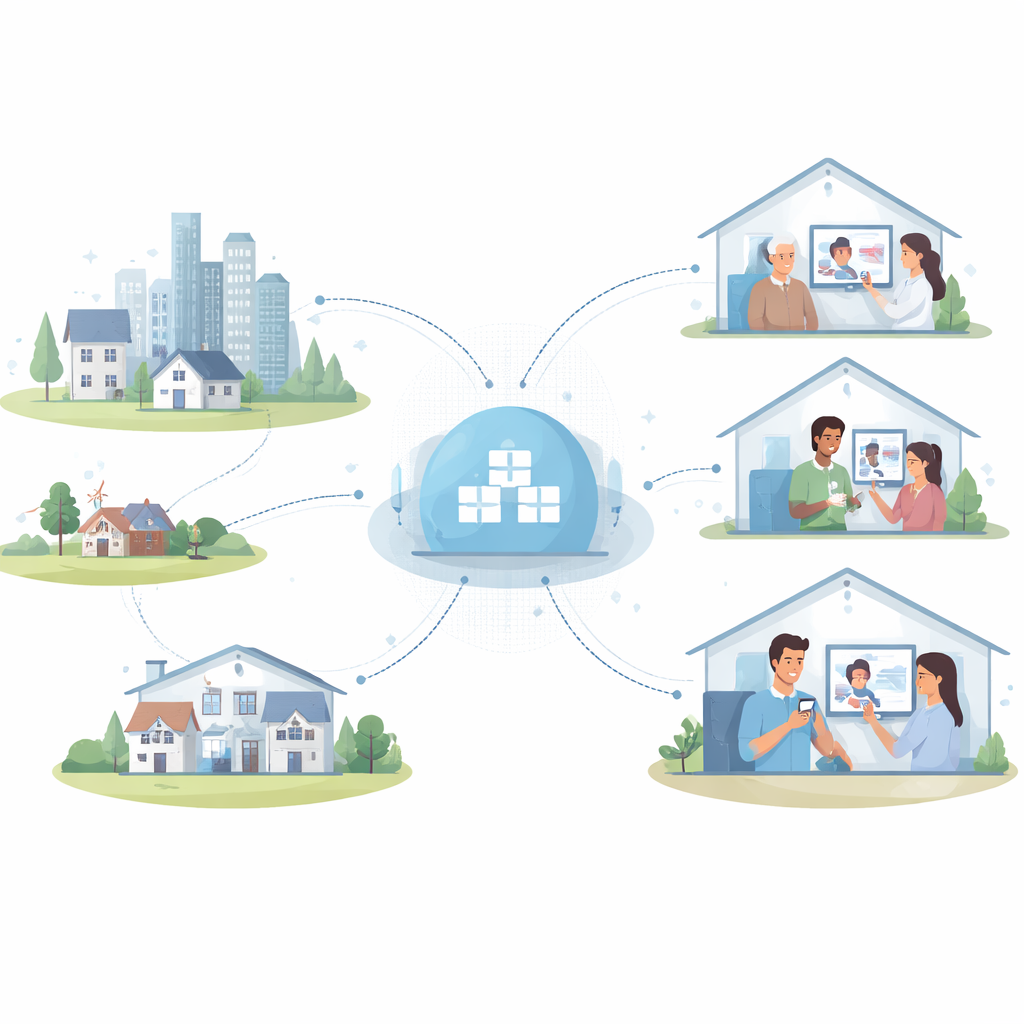
Imagine needing hospital-level care but staying in the comfort of your own home, surrounded by family instead of fluorescent lights and busy corridors. Around the world, “virtual hospitals” are turning this idea into reality by combining phone and video consultations with remote monitoring and in‑person visits when needed. This article explores how a group of Australian patients, carers, clinicians, and health leaders worked together to design guiding principles for a new private virtual hospital. Their goal: make sure this new way of caring for people is safe, fair, and truly centred on what patients and families need, now and over the next decade.
Why Hospitals Are Moving Beyond Four Walls
Virtual hospitals have grown quickly, especially since the COVID‑19 pandemic, offering hospital‑equivalent care to people in their homes or communities. Researchers already know that, when done well, these services can be safe and effective. But how to put them into practice—what model to use, which technologies to choose, who should be involved, and how to protect patients—has been less clear. Different programs use different tools and serve different groups, making it hard for health leaders to know what will work in their setting. Many early services were built in a rush, with staff figuring things out on the fly. The team behind this study wanted to avoid that by carefully planning, in advance, with the people who would use and run the new virtual hospital.
Listening to the People Who Will Use It
The researchers held three workshops, one in person and two online, with 36 participants from cities, regional towns, and rural areas. The group included patients, family carers, nurses, doctors, allied health professionals, aged‑care staff, health service leaders, public health experts, and researchers. Everyone saw and critiqued earlier findings about the likely barriers and enablers to setting up a virtual hospital. In small, guided breakout groups, they then debated draft principles, suggested changes, and anonymously added ideas to a ten‑year timeline for building the service. This process—known as co‑design—was chosen to give people with different experiences an equal voice, reduce power imbalances, and build shared ownership of the final vision.
Care That Reaches People Where They Live
The first big theme was straightforward: take the care to the patient. Participants valued the idea that people could receive high‑level care without leaving home, especially those in rural and remote areas who currently travel long distances or miss out on private or specialist services. At the same time, they saw challenges. Services must be culturally appropriate and accessible for people from very different backgrounds. The wider the geographic reach, the more complex it becomes to coordinate with local doctors, public hospitals, ambulance services, and aged‑care providers. Smooth handovers between services, and better sharing of information, were seen as essential so that patients and carers are not left to navigate the system alone.
Real Care, Not a Second‑Rate Substitute
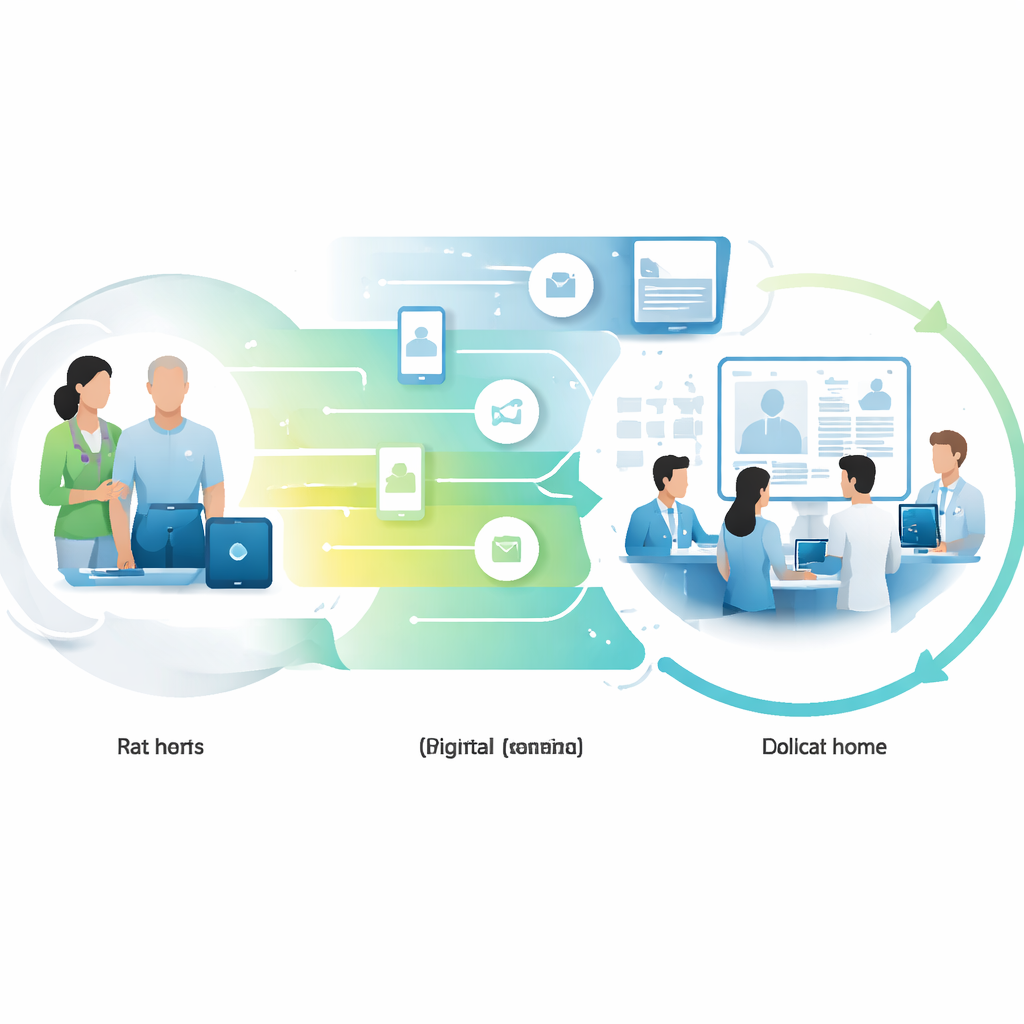
A second theme centred on the word “virtual” itself. Some people worried it sounded like the care was not real, or less than what you get in a physical hospital. Others pointed out that technology can actually make care safer—for instance, by reducing the risk of hospital‑acquired infections or allowing closer monitoring. Participants agreed that the virtual hospital must offer care that feels genuine, builds trust, and matches or exceeds the quality of in‑person services. They stressed that screens and devices are simply the mechanism; what matters is the human connection, the skill of the clinicians, and the reliability of the systems behind them.
Safety, Strong Foundations, and the Right People
The third theme urged planners to be ambitious but to build on a strong foundation. Participants wanted the virtual hospital to eventually provide a wide range of services—not just short‑term acute care, but also rehabilitation and proactive support. However, they insisted this could only happen if safety, clear procedures, clinical governance, and robust technology came first. The technology must be easy to use, affordable, able to link with existing systems, and flexible enough to evolve over time. The fourth theme focused on workforce. A successful virtual hospital would rely on clinicians who are comfortable with technology and can work autonomously, but also on informal carers at home. Participants warned that shifting tasks from hospital staff to family members brings emotional and practical costs that must be recognised, supported, and factored into planning.
Simple Rules to Guide a Complex Future
From these discussions, the group agreed on a set of principles to guide the new virtual hospital. The highest priority is that care must be truly patient‑centred—high quality, respectful of culture, and shaped around people’s lives and circumstances rather than around buildings. The service must be more than just video calls, using smart combinations of technology, home visits, and local services. It should be adaptable and innovative, ready to grow and change as needs and tools evolve. Underneath everything lies one non‑negotiable foundation: safety first, for patients, families, carers, and staff. For readers, the message is clear: if we design virtual hospitals with the people they serve, and keep safety and humanity at the core, hospital‑level care at home can move from experiment to trustworthy everyday reality.
Citation: Fisher, O.J., Moshi, B., McGrath, K. et al. Co-designed principles for establishment of a virtual hospital. Sci Rep 16, 12530 (2026). https://doi.org/10.1038/s41598-026-41742-6
Keywords: virtual hospital, hospital at home, telehealth, patient centred care, healthcare co-design