Clear Sky Science · en
A school-based respect-for-life program integrating deceased organ donation awareness in South Korea: a post-class mixed-methods evaluation
Why This Matters to Everyday Life
In many countries, including South Korea, thousands of people wait for life-saving organ transplants that never come. This study asks a simple but powerful question: instead of trying to change adults’ minds about organ donation with posters and TV ads, what if we helped teenagers think more deeply about the value of life itself—our own lives, one another’s lives, and how they are all connected? The answer could shape the choices they make years later when organ donation becomes a real decision for them and their families.
Seeing the Bigger Picture of Life and Sharing
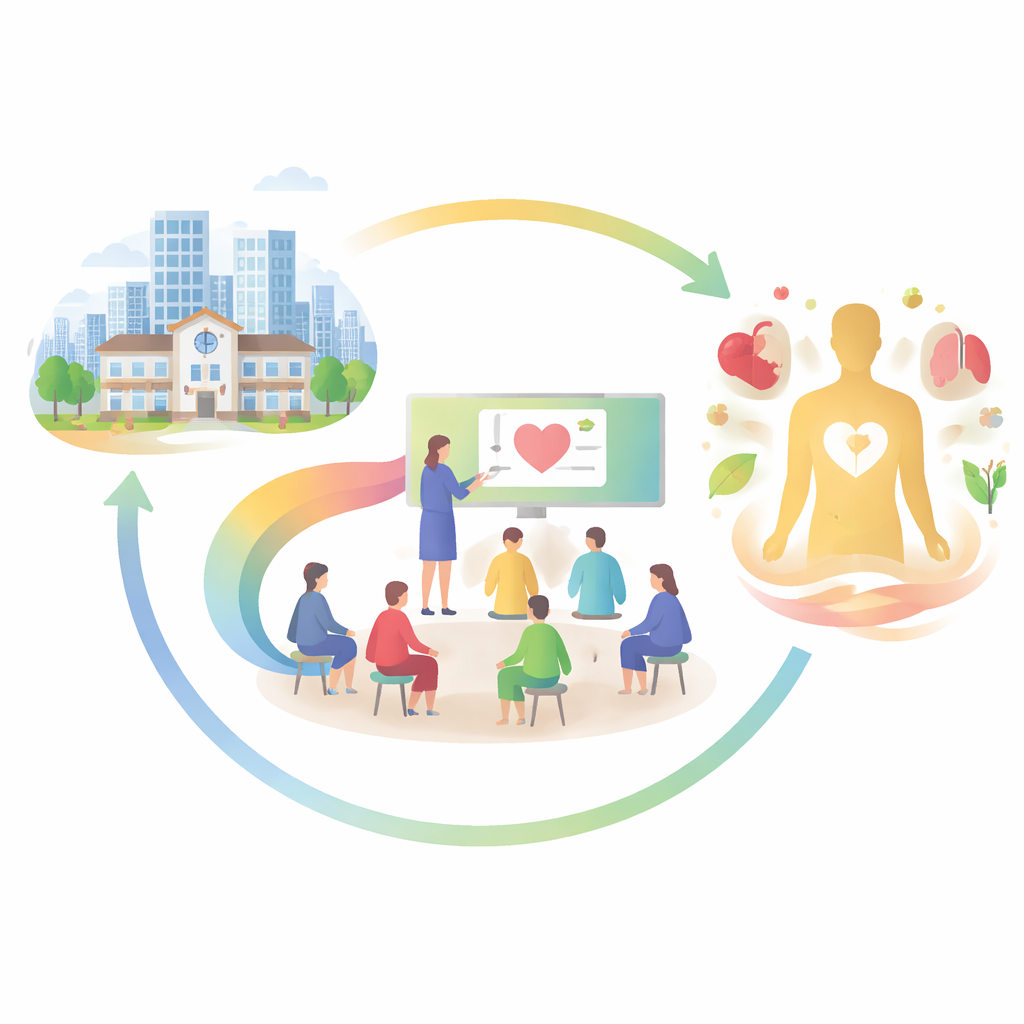
The researchers worked with a nonprofit group called Vitallink and schoolteachers to create a two-part class for middle- and high-school students in three major regions of South Korea. Rather than starting with medical details or legal rules, the lessons began with big, human questions: How rare is it that any of us are alive at all? How do our lives depend on other people, and on nature? Through documentaries, group discussions, and creative activities, students explored the idea that life is precious, limited, and woven into a larger web that includes family, friends, strangers, and the natural world.
From Self-Discovery to Caring for Others
One key activity asked students to draw themselves and write down three personal strengths. They then connected those strengths to classmates who might benefit from them—like passing around invisible “energy.” This simple exercise helped students see that sharing is not only about money or things but also about encouragement, kindness, and support. In the second session, stories and video clips showed how people’s lives are linked through empathy and everyday acts of care, from listening to a troubled friend to creating safer, more welcoming environments at school. The program tied these ideas to real cases of suicide prevention, inviting students to recognize warning signs and consider how even small gestures can help someone hold on to life.
Introducing Organ Donation as a Natural Extension
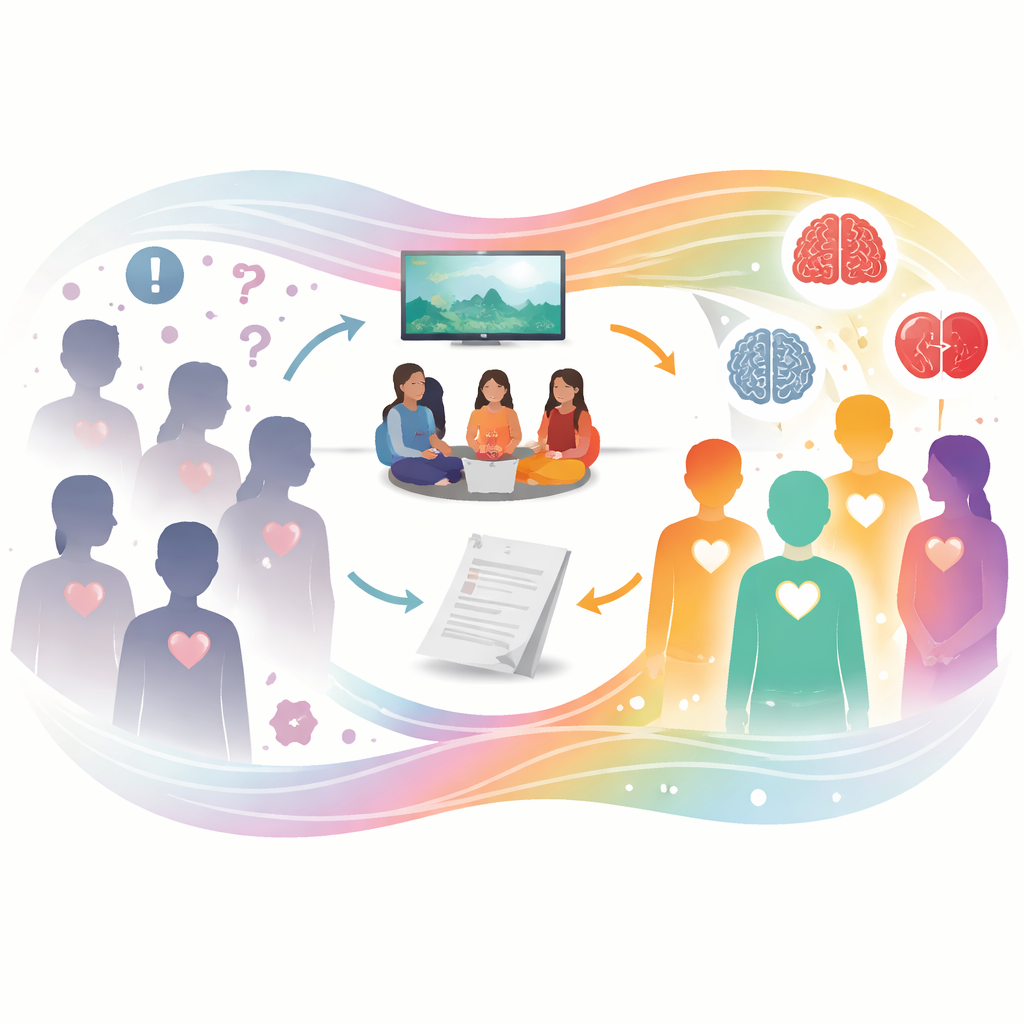
Only after building this foundation did the educators introduce deceased organ donation. Students watched the story of a young accident victim whose organs helped several others live. They also learned the basic medical idea of brain death and which organs can be transplanted, but the focus remained on meaning rather than on technical detail. Organ donation was framed as one powerful way that a person’s life can continue helping others, even after death—another form of the same “touch of life” they had been discussing in everyday terms.
What Students Said and Felt
More than 2,300 students took part, and about two-thirds completed a survey right after class; three-quarters of those also wrote open comments. The numbers were striking: nearly nine out of ten students said the program made them feel more strongly that life is precious, and over 90 percent found the class helpful for understanding these ideas. When the research team used two different artificial intelligence tools to sort and interpret the written comments, both found overwhelmingly positive reactions. Students described the classes as enjoyable and moving, said they felt better about themselves, and reported wanting to be kinder and more attentive to others. Many mentioned suicide prevention and a new willingness to support or consider organ donation as a generous act that could save several lives.
What This Could Mean for the Future
The study suggests that talking about organ donation works best when it grows out of something deeper: a sense that every life, including one’s own, has inherent worth and is part of a shared story. These teenagers cannot yet sign donor cards or give legal consent, but the values they form now will shape how they respond to tragedy and medical decisions later on. The authors argue that this kind of gentle, reflective education—rooted in respect for life, empathy, and connection—could be adapted in many countries. Over time, it may help reduce fear and misunderstanding around organ donation, making it easier for future adults and families to say yes when their choice could give others a second chance at life.
Citation: Jeon, H.J., Kim, Y.H., Choi, H.J. et al. A school-based respect-for-life program integrating deceased organ donation awareness in South Korea: a post-class mixed-methods evaluation. Sci Rep 16, 12663 (2026). https://doi.org/10.1038/s41598-026-41727-5
Keywords: organ donation, youth education, empathy, suicide prevention, South Korea