Clear Sky Science · en
Treatment of contagious bovine pleuropneumonia as a potential driver for antimicrobial resistance in pastoral production systems of Kenya
Why this matters for people and their food
In many parts of Kenya, cattle are more than animals—they are savings accounts, sources of food, and the backbone of family life. This study looks at how a serious cattle lung disease, contagious bovine pleuropneumonia (CBPP), is being handled in remote pastoral areas, and how common treatment practices may quietly fuel the global problem of antimicrobial resistance. The findings touch not only on animal health and livelihoods, but also on the safety of milk and the effectiveness of antibiotics people depend on.
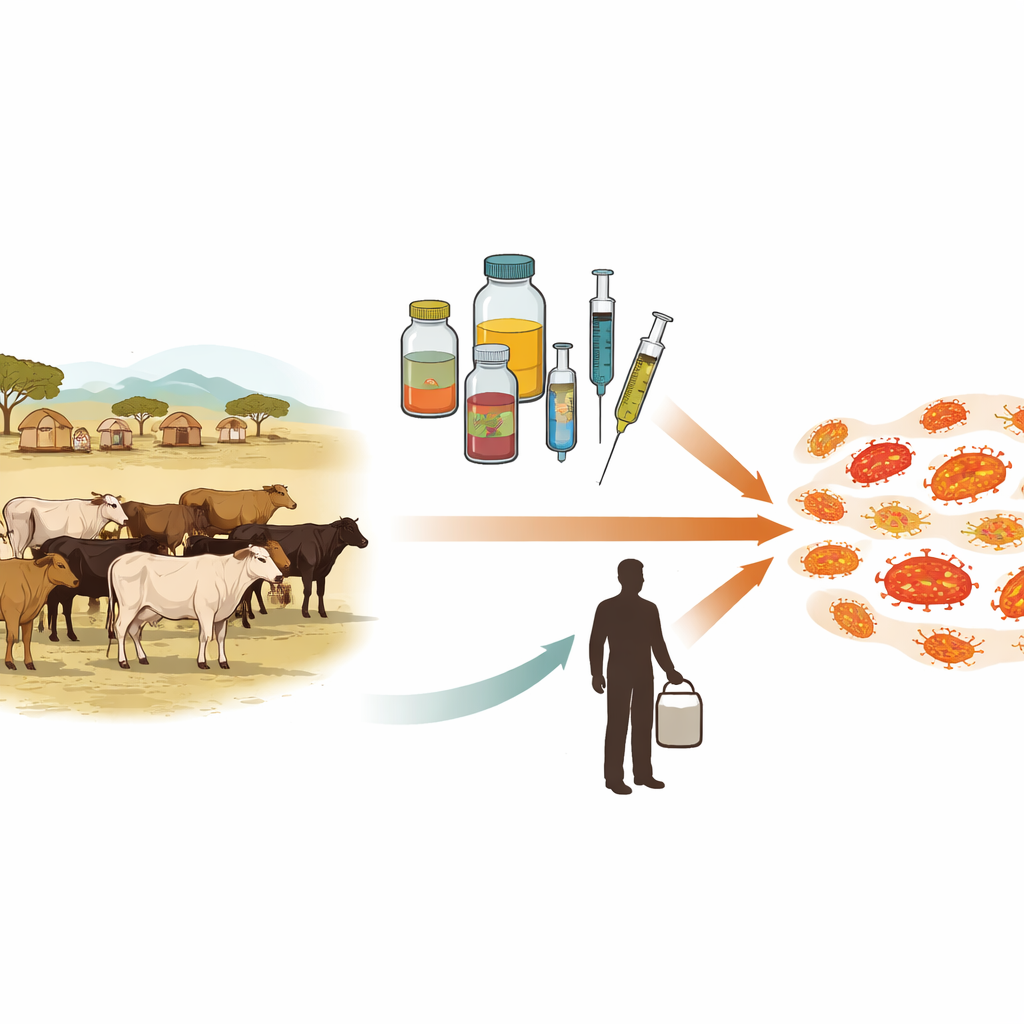
A lung disease that strains herds and households
CBPP is a highly contagious respiratory disease of cattle that thrives where animals mix freely on shared grazing lands. In the Kenyan counties studied—Marsabit, Isiolo, Tana River, Kajiado, and Narok—herds are often moved over long distances in search of pasture and water. The researchers visited 95 cattle herds that had ongoing or recent CBPP outbreaks. They found that the disease was widespread: about 40% of animals in affected herds became sick over the course of an outbreak. Illness dragged on, with herds taking an average of 11 months to clear the disease, and the case fatality rate was high—about one in three sick animals died. Many families had to sell livestock simply to pay for attempts at disease control.
Turning to drugs when vaccination falls short
In wealthier countries, CBPP has been eliminated through strict movement control and slaughter of infected animals. Those approaches are difficult to apply in remote, low-resource settings. Vaccination with live vaccines is the main recommended tool in Africa, but in the study areas there was no routine vaccination program. Only about a third of farmers reported vaccinating at all, and most did so reactively, after an outbreak had already struck. Weak cold-chain systems, short-lived vaccine protection, and local concerns about side effects all made vaccination less attractive. In this vacuum, farmers turned heavily to antimicrobials as a quick, accessible response.
Heavy, sometimes misguided, antibiotic use
The survey revealed that nearly all herds (about 95%) were treated with antimicrobials during CBPP outbreaks. Farmers used a mix of drugs—including different forms of tetracycline, a macrolide called tylosin, penicillin-streptomycin combinations, and even diminazen, which targets parasites rather than bacteria. Many herds received two or more drugs in sequence when the first choice seemed to fail. Dosing patterns showed both underuse (too few treatment days) and overuse (treatments extending well beyond what local veterinarians considered appropriate). When the researchers compared drugs, only tylosin was linked with a clear drop in deaths among sick cattle; tetracycline and the other agents did not significantly improve survival. Some commonly used drugs, such as penicillin, are not expected to work against the CBPP germ at all, highlighting how treatment choices are often guided by habit, cost, or availability rather than evidence.
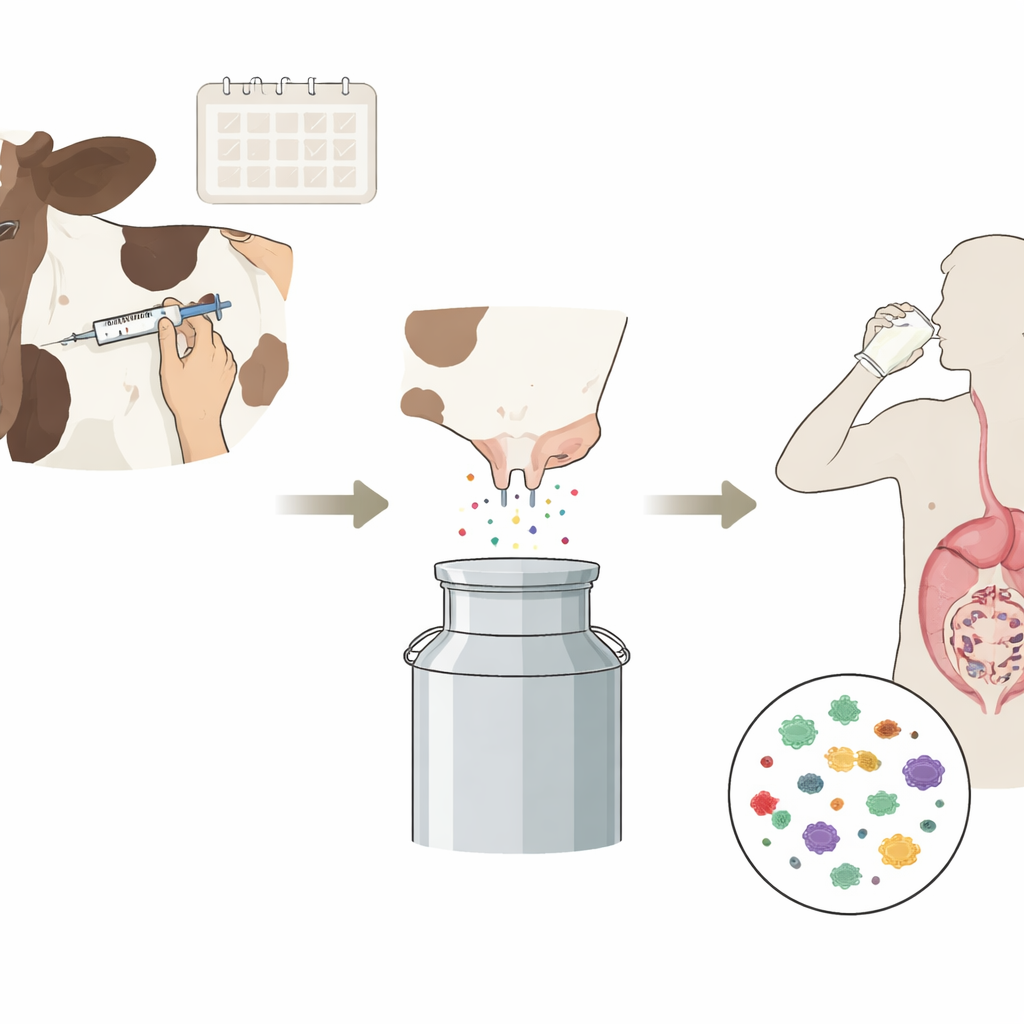
Hidden risks in the milk supply
Antimicrobial use in animals does not stop at the farm gate. Most farmers in the study—over 80%—continued to drink or sell milk from treated animals without observing withdrawal periods, the recommended waiting time for drug residues to clear from milk. This means that antibiotic traces likely enter the household diet and local markets. Such low-level, ongoing exposure can encourage resistant bacteria to thrive in people’s guts, may trigger allergic or toxic reactions, and can harm beneficial microbes. From a broader One Health perspective, drug residues and resistant bacteria can also enter soil and water through animal waste, helping resistance genes spread through the environment.
Moving toward safer, smarter disease control
The authors conclude that current CBPP control practices in these Kenyan pastoral systems—heavy, often inappropriate antibiotic use, little preventive vaccination, and ignoring milk withdrawal times—risk driving antimicrobial resistance while still failing to control the disease effectively. They argue for a shift in policy and practice toward prudent, well-guided antimicrobial use and stronger, more trusted vaccination programs. This will require better veterinary services, reliable vaccine supply chains, farmer training, and closer collaboration between animal health, human health, and environmental sectors. Done well, such a One Health approach can protect cattle, secure pastoral livelihoods, and help preserve the power of antibiotics for both animals and people.
Citation: M. Akoko, J., Okumu, N.O., Makumi, A. et al. Treatment of contagious bovine pleuropneumonia as a potential driver for antimicrobial resistance in pastoral production systems of Kenya. Sci Rep 16, 12086 (2026). https://doi.org/10.1038/s41598-026-41713-x
Keywords: contagious bovine pleuropneumonia, pastoral livestock Kenya, antimicrobial resistance, antibiotic use in animals, milk safety