Clear Sky Science · en
Effect of Moringa oleifera leaf extract gel on pulp repair following pulpotomy: an in-vivo study
Why a healing plant matters for aching teeth
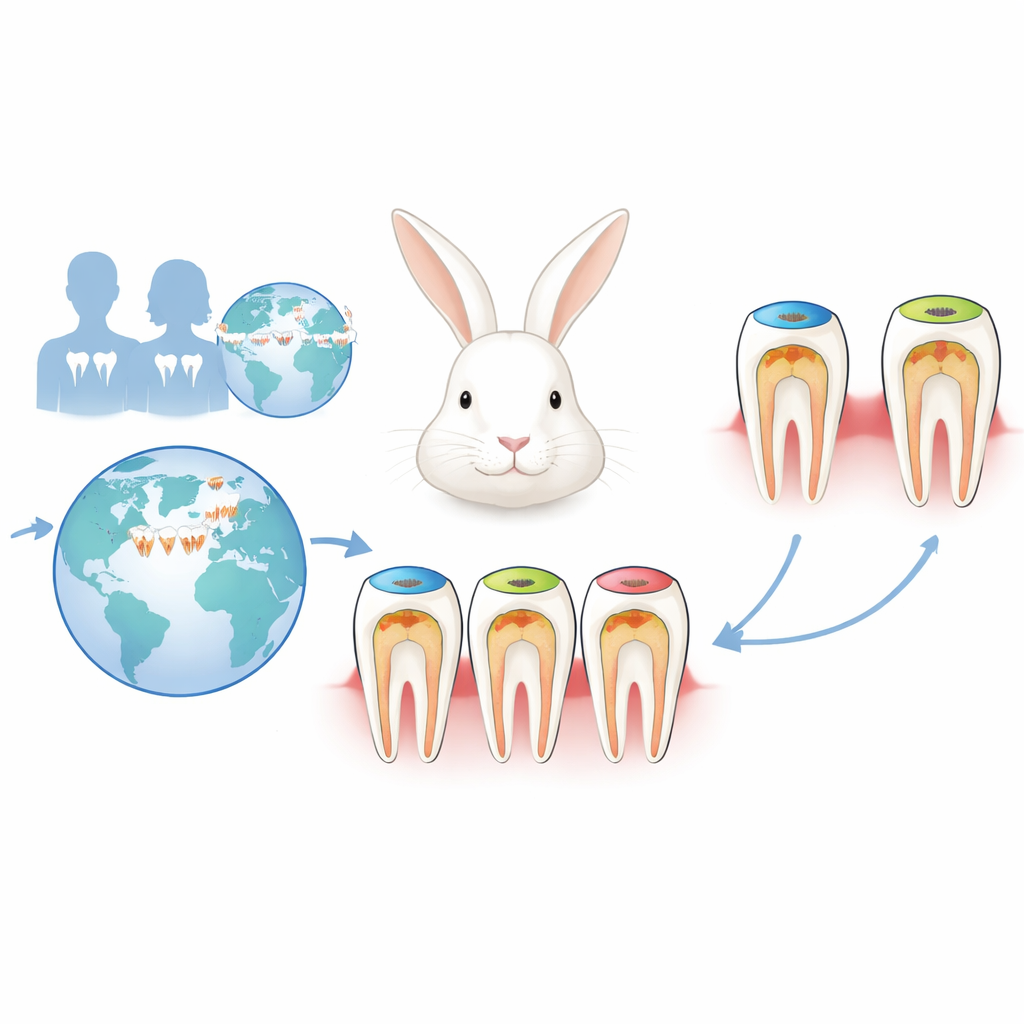
Toothache from deep cavities is one of the most common health problems worldwide, and saving a damaged tooth without expensive, complex treatment is a major goal in modern dentistry. This study explores whether a natural plant, Moringa oleifera—already known in traditional medicine—can help a tooth heal itself after a common dental procedure called a pulpotomy. If such a plant-based gel can calm inflammation and encourage new hard tissue to grow, it could one day offer a simpler, more affordable option for preserving teeth that might otherwise need root canal treatment or extraction.
From everyday cavities to saving the tooth’s core
When tooth decay reaches close to the soft inner core, or pulp, dentists face a dilemma: clean out enough decay to stop the infection, but not so much that the nerve is fatally injured. For very deep cavities, especially in younger patients, a pulpotomy is often used. In this procedure, the diseased top portion of the pulp is removed, and a protective material is placed over the remaining healthy tissue to encourage it to recover and lay down a new protective layer of hard tissue. The success of this approach depends greatly on the material used to cover the exposed pulp, which must both control infection and support natural repair.
Looking beyond current high‑tech materials
The current “gold standard” material for such treatments is mineral trioxide aggregate (MTA), a cement-like compound that seals well and helps the tooth form new dentin. However, MTA is costly, slow to set, and can be difficult for dentists to handle. At the same time, there is growing interest in herbal and plant-based ingredients in oral care. Moringa oleifera leaves contain a rich mix of natural chemicals with antimicrobial, antioxidant, and anti-inflammatory effects, and earlier work suggested they can promote mineralization and tissue repair. The authors of this study asked whether a gel made from Moringa leaves could perform as well as MTA in a realistic setting where the pulp is already inflamed.
Rabbits as stand‑ins for human teeth
To test this, the researchers used adult New Zealand white rabbits, whose front teeth share important structural similarities with human teeth. They created small cavities on the front surfaces of the rabbits’ incisors and deliberately triggered pulp inflammation using a bacterial component commonly associated with deep tooth decay. After 24 hours, they performed pulpotomies and divided the teeth into three groups: one capped with MTA, one left without any protective material, and one covered with a 15% Moringa leaf extract gel. Two weeks later, they examined thin sections of the teeth under a microscope, grading how much new hard tissue had formed, how many inflammatory cells were present, and how organized or damaged the pulp tissue appeared.
Plant gel versus standard treatment
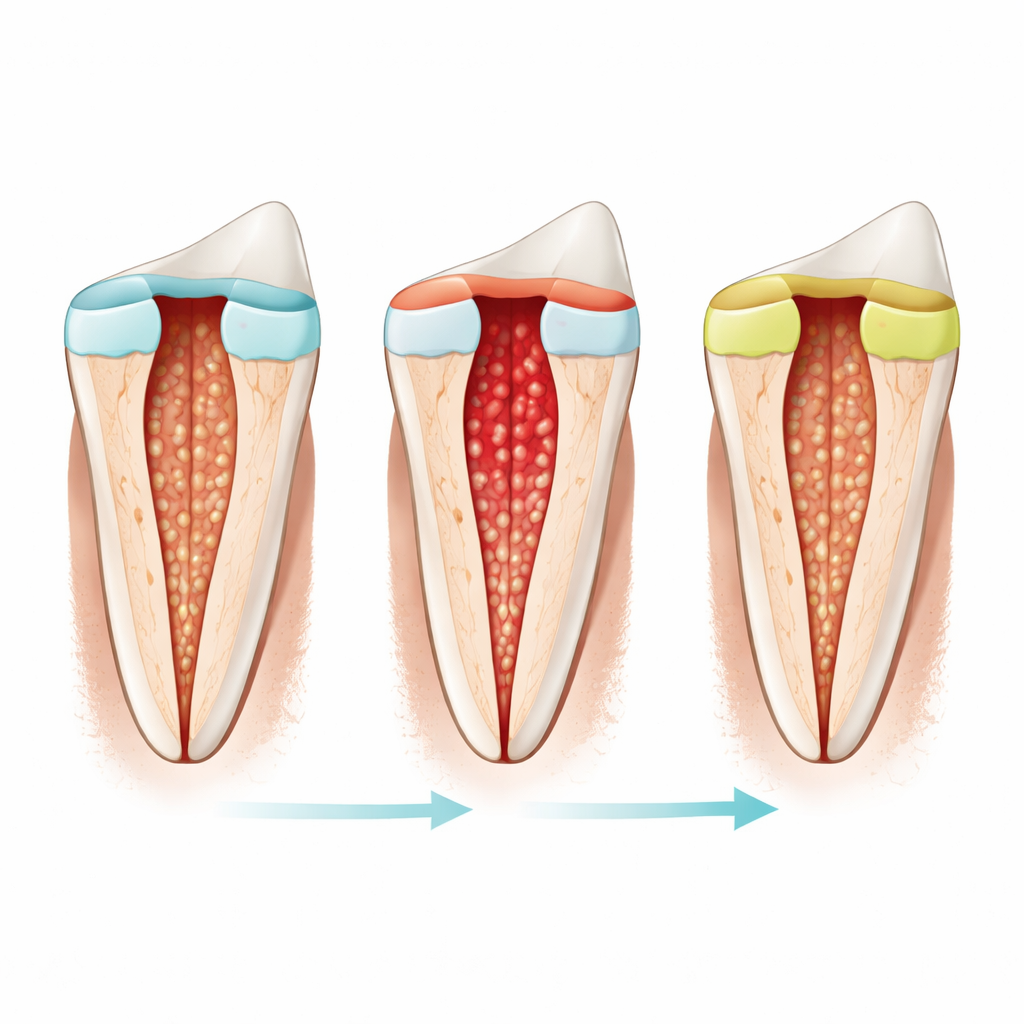
The results were striking. In the untreated group, the pulp looked severely inflamed and disorganized, with no sign of new protective hard tissue, suggesting ongoing damage. By contrast, both the Moringa gel and MTA groups showed clear bands of newly formed hard tissue beneath the treatment site, and the overall pulp structure looked largely normal. Statistically, the amount of new dentin-like tissue in the Moringa group was similar to that seen with MTA and far better than in untreated teeth. Notably, the Moringa-treated teeth had the lowest levels of inflammatory cell invasion, hinting that the plant gel may be especially good at calming irritation while still allowing the tissue to rebuild itself.
What this could mean for future dental care
In plain terms, this study suggests that a gel made from Moringa oleifera leaves can help an inflamed tooth core heal after partial removal of the pulp, promoting new protective hard tissue and reducing inflammation in a way that rivals a leading modern dental material. Because the work was done in rabbits over only two weeks, and without deeper molecular tests, it is still an early, preclinical step. However, the findings raise the possibility that a safe, plant-derived material could eventually help dentists save severely decayed teeth more gently and affordably, especially in communities where advanced dental care is hard to access.
Citation: Sobhy, S.M., Ali, M.A.S., Salem, A. et al. Effect of Moringa oleifera leaf extract gel on pulp repair following pulpotomy: an in-vivo study. Sci Rep 16, 10360 (2026). https://doi.org/10.1038/s41598-026-41452-z
Keywords: Moringa oleifera, pulpotomy, dental pulp healing, natural dental materials, reparative dentin