Clear Sky Science · en
Processed plant-based meat-supplemented diet versus red meat-based supplemented diet randomized cross-over trial Finding Optimal Oral Diet-1 (FOOD-1) trial
Why This Study Matters For Your Dinner Plate
Many people are trying to cut back on red meat for the sake of their hearts and the planet, but worry about giving up the taste and texture they enjoy. New plant-based patties are designed to look and cook like burgers, yet they are still highly processed foods. This study asked a simple but important question: if you swap red meat patties for plant-based patties, even for a short time, does it actually change markers in your blood that are linked with heart disease risk?
A Closer Look At Meat Versus Plant Patties
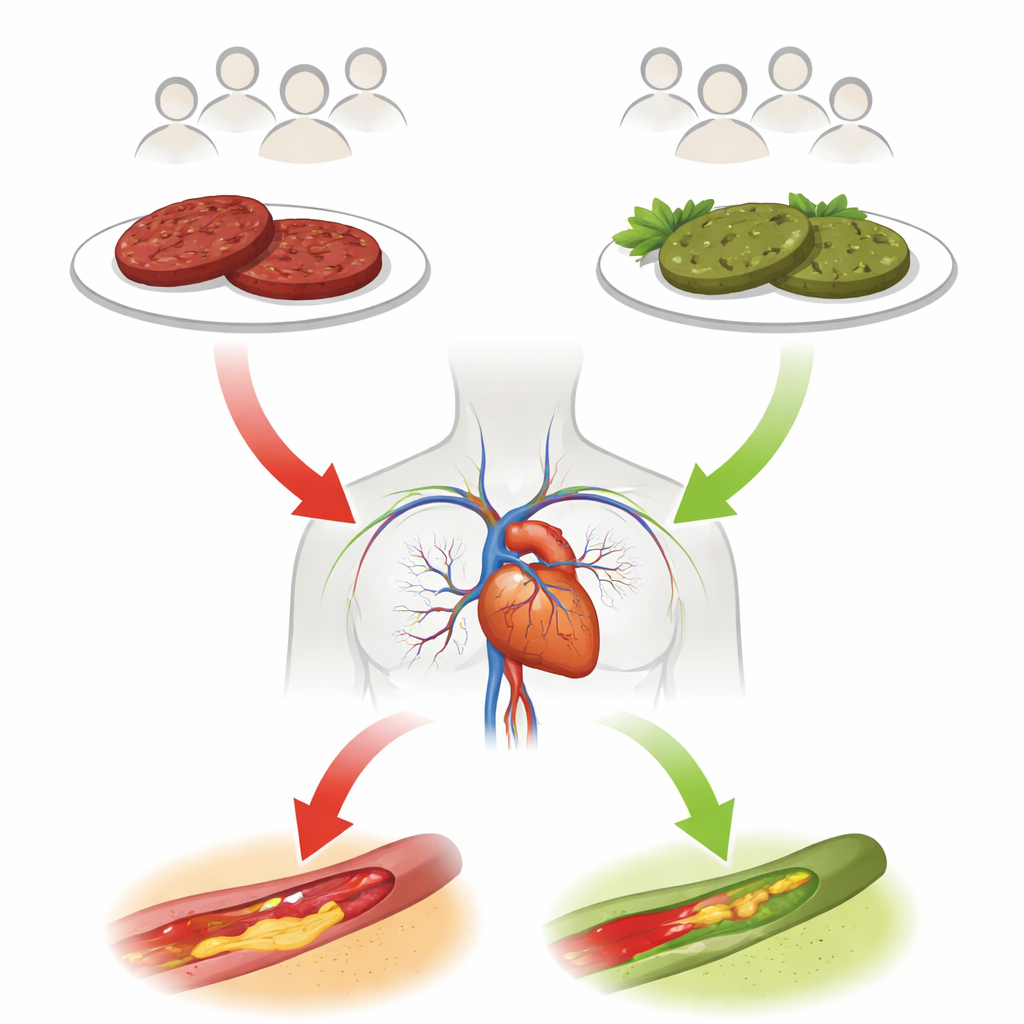
The researchers ran a small but carefully controlled trial called FOOD-1, involving 41 adults between 18 and 80 years old, many of whom already had risk factors such as high blood pressure, diabetes, or a history of heart or blood vessel disease. Everyone followed both types of diets in sequence: for six days they ate two patties a day made from either red meat or a plant-based brand, then after a week-long break they switched to the other type of patty for another six days. During the trial, participants were asked to avoid other animal products such as fish, eggs, and additional meat so that any changes in the blood could be more confidently tied to the patties themselves.
A Hidden Molecule Linked To Heart Risk
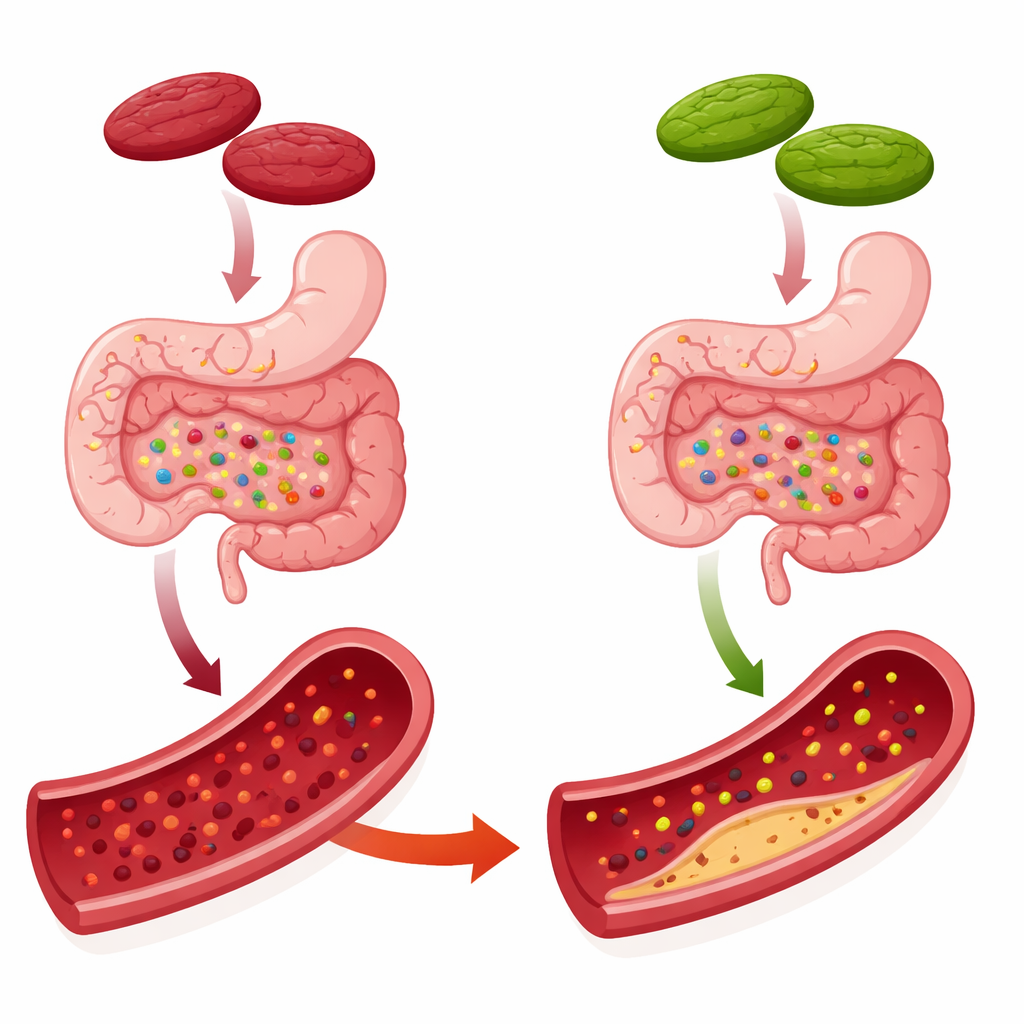
The main focus of the study was a compound in the blood called trimethylamine N-oxide, or TMAO. TMAO is produced when gut bacteria break down nutrients that are abundant in red meat, such as choline and carnitine. Higher levels of TMAO have been linked in earlier research to clogged arteries, damage to heart muscle, and a greater chance of heart attacks and strokes. In FOOD-1, each participant had fasting blood samples taken after each six-day diet period. When the scientists compared the two diet phases, they found that the plant-based patties led to clearly lower TMAO levels than the red meat patties, even after accounting for the order in which people ate the diets.
Cholesterol, Weight, And Heart Stress Signals
The researchers also tracked other common measures of heart health. On the plant-based patty days, participants had lower total cholesterol and LDL cholesterol, the form often labeled as “bad” cholesterol because it contributes to fatty build-up in arteries. However, there were trade-offs. People gained, on average, about half a kilogram in body weight during the plant-based phase, and levels of a hormone called NT-proBNP, which rises when the heart is under greater filling pressure or strain, were slightly higher. One likely reason is salt: the plant patties contained substantially more sodium than the red meat patties, and extra salt can cause the body to retain fluid and make the heart work harder, especially in people with existing heart or kidney problems.
Molecular Fingerprints Of Different Diets
Beyond these familiar lab values, the team examined hundreds of small molecules in the blood using a technique called metabolomics, which provides a kind of chemical fingerprint of how the body responds to different foods. Only 11 of more than 600 identified metabolites changed consistently between the plant-based and red meat periods, but those that did were tied to energy use in heart muscle and to the making and breaking down of fats. Some molecules linked to fat burning and possible protection from artery disease were higher with the plant patties, while others associated with inflammation or disrupted insulin action were lower. These findings are early and exploratory, but they suggest that even a short dietary shift can ripple through many metabolic pathways.
What This Means For Everyday Eating
Overall, the study supports the idea that replacing red meat with plant-based patties can quickly lower a gut-derived compound and cholesterol measures that are tied to heart risk. At the same time, it raises a caution flag about relying heavily on salty, ultra-processed meat alternatives, particularly for people who may be sensitive to salt or already have heart strain. For someone thinking about changing their diet, these results point toward a balanced approach: moving away from regular red meat can be beneficial, but the biggest gains are likely to come from emphasizing less processed plant foods—such as beans, lentils, nuts, whole grains, fruits, and vegetables—rather than leaning too heavily on packaged meat-like products.
Citation: Ferreira, J.P., Marques, P., Zhang, G. et al. Processed plant-based meat-supplemented diet versus red meat-based supplemented diet randomized cross-over trial Finding Optimal Oral Diet-1 (FOOD-1) trial. Sci Rep 16, 13104 (2026). https://doi.org/10.1038/s41598-026-41165-3
Keywords: plant-based meat, red meat, cardiovascular risk, TMAO, diet trial