Clear Sky Science · en
Quantification of heavy metals in Chinese jasmine flower cakes and risk assessment
Why a favorite treat’s safety matters
Jasmine flower cakes are a beloved snack across China, blending fragrant blossoms with soft, sweet pastry. Because they are eaten widely and sometimes by children and older adults, any hidden contaminants in these cakes could quietly affect public health. This study asks a simple but important question: do jasmine flower cakes carry worrisome levels of heavy metals, and if so, how big is the risk to people who enjoy them?
What the researchers set out to check
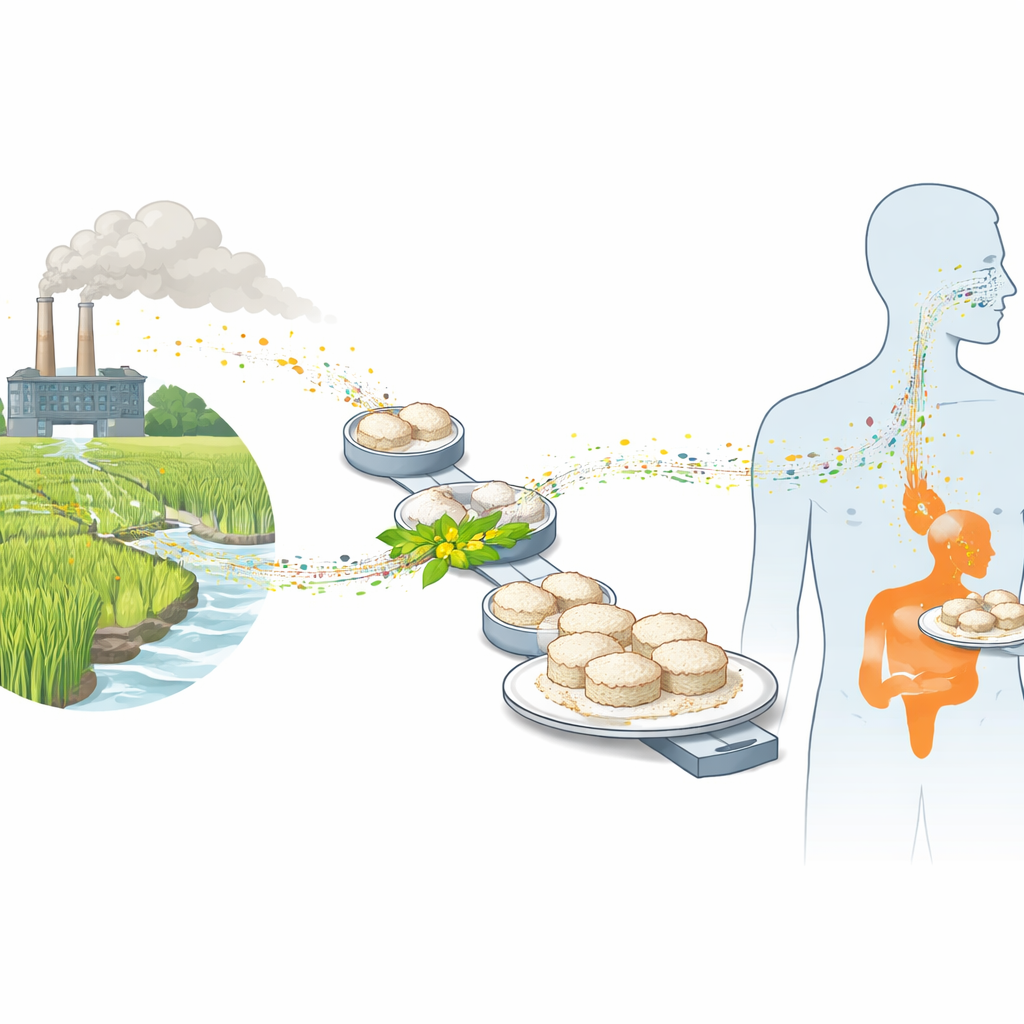
The team focused on eight metal elements that can end up in food: aluminum, chromium, manganese, nickel, copper, arsenic, cadmium, and lead. Some of these are needed in tiny amounts by the body, while others are purely toxic. They chose jasmine flower cakes because the main ingredients—grain flour and jasmine blossoms—come from soils that can be affected by industrial pollution, mining, and intensive farming. In addition, aluminum-based baking agents are sometimes used to improve texture, which can raise aluminum levels in baked goods. Since no one had systematically checked these cakes before, there was a clear gap in food safety knowledge.
How they measured metals in real-world cakes
To get a realistic picture, the researchers bought 40 batches of jasmine flower cakes from markets across ten provinces in China, representing both large-brand factories and smaller producers. They ground each cake sample, digested it in strong acid, and then measured metal concentrations using a highly sensitive laboratory technique that can detect trace amounts. Before trusting the results, they rigorously tested their method for accuracy, precision, and detection limits, confirming that even very low levels of metals could be measured reliably.
What they found inside the cakes
Every sample contained aluminum, chromium, manganese, nickel, copper, and lead, while cadmium and arsenic were present in most but not all batches. On average, aluminum, manganese, and copper appeared at the highest levels, but still remained far below China’s legal limits for aluminum and lead in baked goods, and comparable to international guidelines. Metals such as cadmium and arsenic were detected at extremely low concentrations. By using statistical tools, the scientists discovered that certain metals tended to rise and fall together in the same samples—forming “fingerprints” like an arsenic–cadmium pair and an aluminum–chromium–lead group. These patterns hint that common environmental or processing sources may be responsible, even though this study did not directly test soils or water.
Translating numbers into health risk
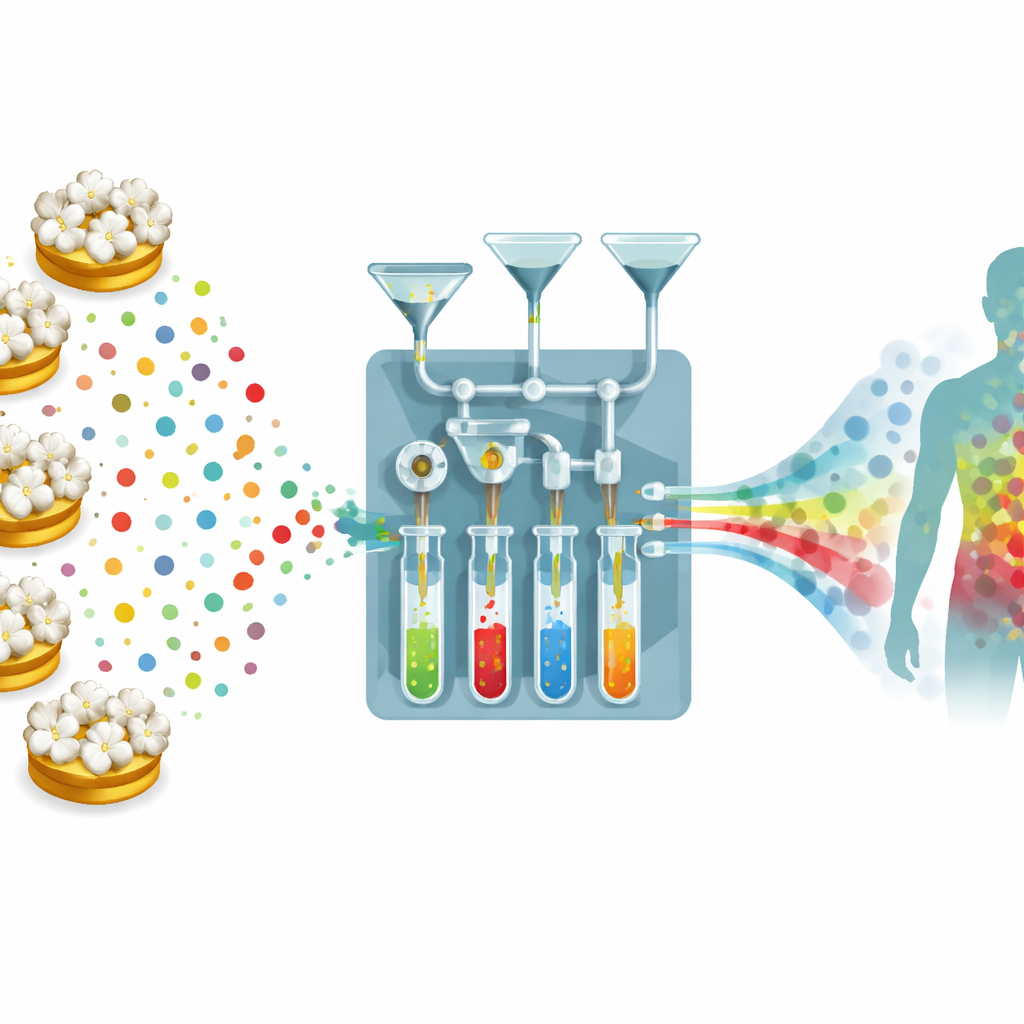
Measuring metals is only half the story; what matters most is whether typical eating habits could cause harm. The team used internationally recognized health models to estimate exposure for an average adult, assuming a conservative daily intake similar to other wheat-based products. They then calculated two kinds of risk. The first, called non-cancer risk, compares the estimated dose to levels considered safe over a lifetime. For most cakes and most metals, this risk stayed below the level of concern. However, about one in five batches had combined metal exposures high enough that possible long-term effects could not be ruled out, largely driven by high copper in a few samples. The second measure, cancer risk, focused on arsenic, cadmium, and lead. Here, overall lifetime cancer risk from eating these cakes was within ranges generally considered acceptable, but cadmium and, to a lesser degree, arsenic stood out as the main contributors, with notable differences from batch to batch.
What this means for everyday consumers
For people who enjoy jasmine flower cakes occasionally, this study offers cautious reassurance: on average, the metal levels and associated cancer risks are low and meet current standards. At the same time, the discovery of a minority of higher-risk batches shows that safety cannot be taken for granted. Very small amounts of cadmium and arsenic, even when legally acceptable, can dominate long-term risk, and copper spikes can push overall exposure above comfort levels. The authors argue that regulators and producers should look beyond simple pass–fail limits for single metals and instead monitor patterns of multiple metals and identify problematic production batches early. Their approach provides a practical blueprint for checking other traditional foods, helping to preserve culinary heritage while quietly strengthening the protection of public health.
Citation: Huang, J., Liang, S., Wu, G. et al. Quantification of heavy metals in Chinese jasmine flower cakes and risk assessment. Sci Rep 16, 11084 (2026). https://doi.org/10.1038/s41598-026-40940-6
Keywords: food safety, heavy metals, jasmine flower cakes, risk assessment, traditional foods