Clear Sky Science · en
Pretreatment tumor infiltrating lymphocytes and outcome in patients with HR+/HER2- advanced breast cancer treated with CDK4/6 inhibitors
Why the body’s own defenses matter in breast cancer treatment
For many people with advanced hormone-sensitive breast cancer, drugs called CDK4/6 inhibitors have transformed care, helping keep the disease under control for longer. But doctors still cannot predict who will benefit most from each of these medicines. This study asks a simple, patient-centered question: can a quick look at the immune cells already present in a tumor, before treatment starts, help identify who is likely to live longer or avoid cancer spread to vital organs when given one commonly used CDK4/6 inhibitor?
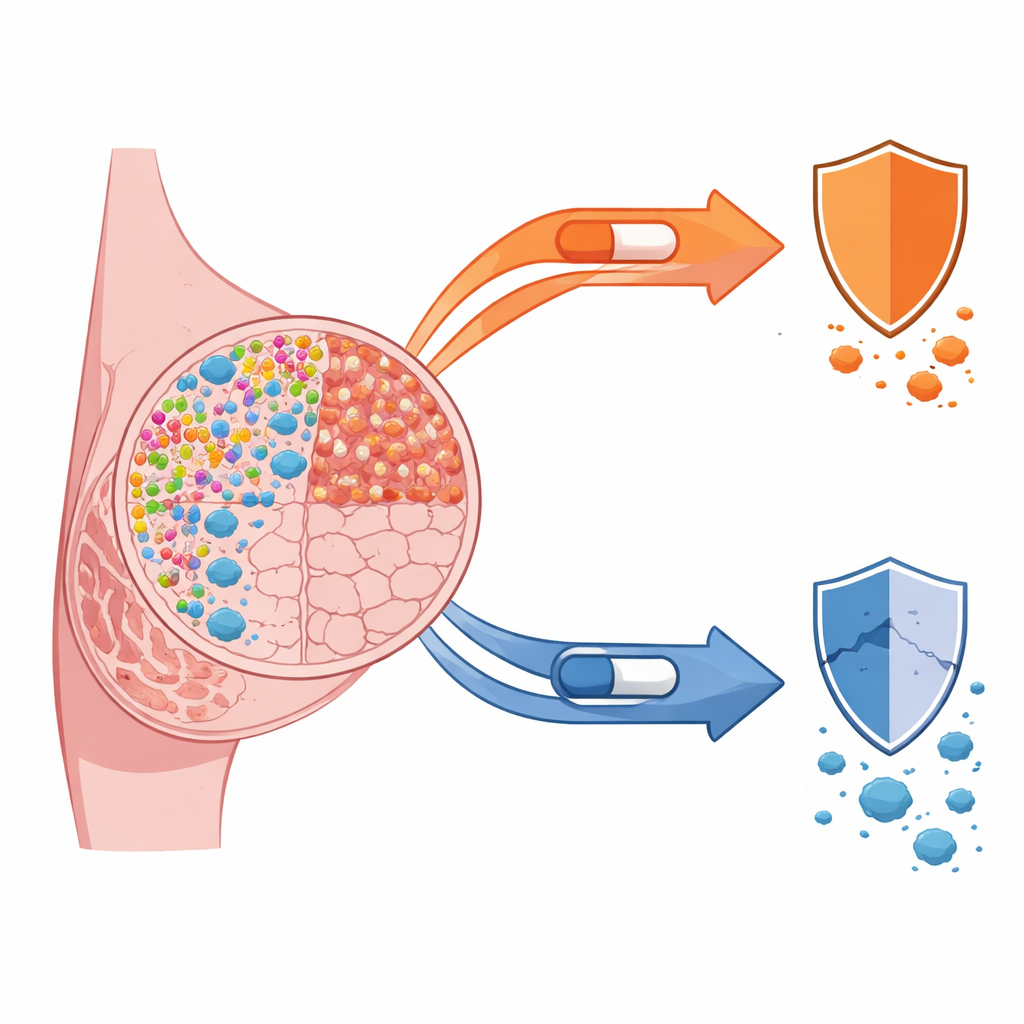
Taking a closer look at tumors and their immune guests
The researchers focused on a particular type of immune cell presence called stromal tumor-infiltrating lymphocytes, or sTILs. These are white blood cells that have moved into the connective tissue surrounding cancer cells and can be seen under the microscope on standard biopsy slides. Pathologists scored what fraction of the tumor’s supporting tissue was filled with these cells. Tumors with at least 10% of this area occupied by lymphocytes were labeled “sTILs-positive,” while those with fewer immune cells were considered “sTILs-negative.” Because this method relies on routine staining and well-defined guidelines, it is relatively easy and inexpensive to apply in everyday hospital practice.
Who was studied and how outcomes were measured
The team reviewed records from 100 people with advanced hormone receptor–positive, HER2-negative breast cancer treated at a single cancer center. All had received a CDK4/6 inhibitor together with hormone-blocking therapy, most in the first-line metastatic setting. Just over half received palbociclib, slightly fewer received ribociclib, and a small number received abemaciclib. The researchers tracked how long patients lived without their disease getting worse (progression-free survival), how long they lived overall (overall survival), and where in the body the cancer eventually progressed, paying particular attention to spread to organs such as the liver or lungs, known as visceral progression.
Immune-rich tumors signal better results with one drug
Overall, 42 of the 100 tumors were sTILs-positive and 58 were sTILs-negative. When all patients and all CDK4/6 inhibitors were considered together, having more or fewer sTILs did not clearly change treatment results. The picture changed, however, when the investigators looked at each drug separately. Among people treated with palbociclib, those whose tumors were sTILs-positive tended to stay free of disease progression longer and, more importantly, lived significantly longer than those with sTILs-negative tumors. After two years on palbociclib, patients with sTILs-positive tumors were about twice as likely still to have their disease under control as those with immune-poor tumors. In contrast, for patients receiving ribociclib, the level of sTILs did not seem to influence how long they remained progression-free or how long they lived.
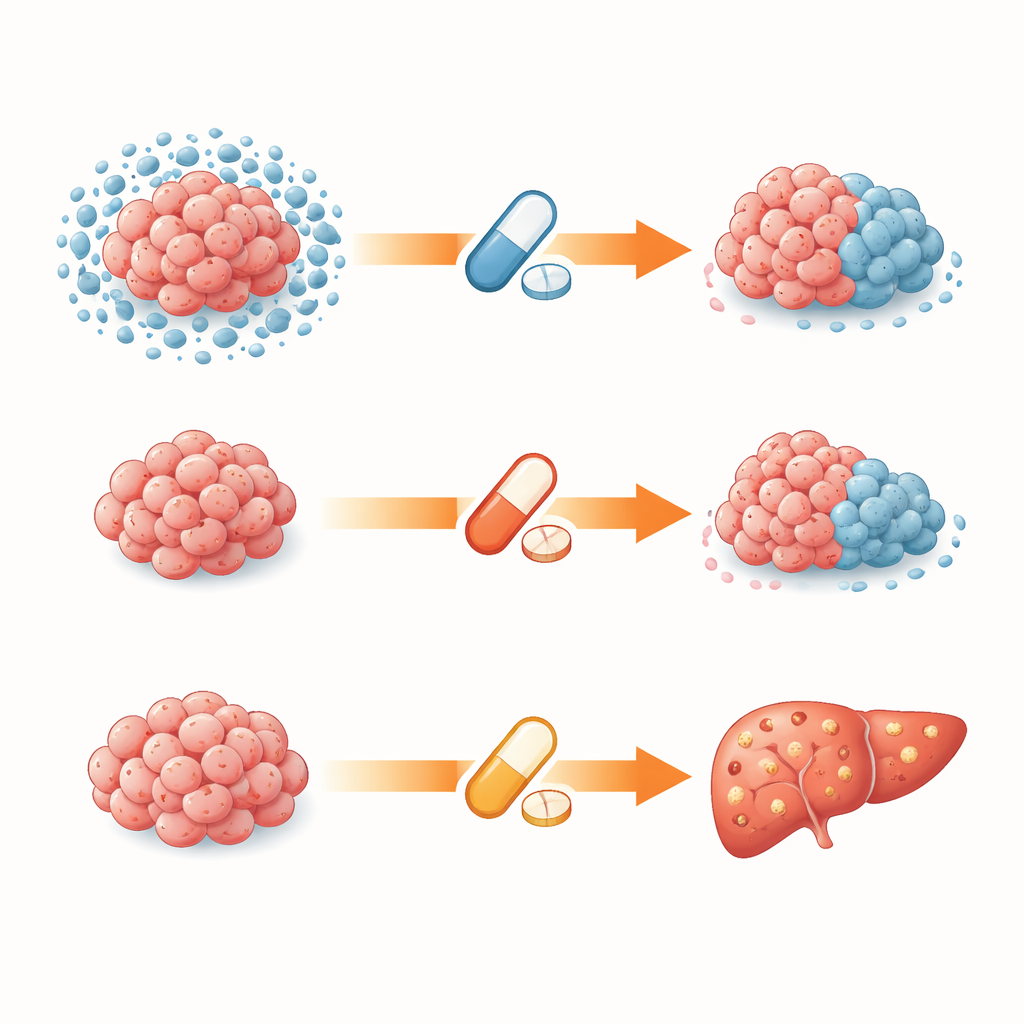
Linking immune cells to where cancer comes back
The study also examined where the cancer returned or worsened. Half of the patients eventually developed new or growing tumors in vital organs such as the liver or lungs. Across all treatments, those with sTILs-negative tumors were somewhat more likely to experience this visceral progression. Among patients on palbociclib, the difference was striking: far more people with sTILs-negative tumors went on to develop visceral spread than those whose tumors were rich in immune cells. This pattern offers a possible explanation for the longer survival seen in the sTILs-positive palbociclib group: their cancers seemed less prone to spreading aggressively to critical organs.
What this could mean for patients and future care
To a layperson, the key message is that the natural “footprint” of the immune system inside an advanced breast cancer, visible on a standard biopsy, may help predict how well certain targeted drugs—especially palbociclib—will work and how likely the cancer is to invade vital organs. The findings do not yet prove that sTILs should guide treatment choices, partly because the study was relatively small and retrospective, and because no similar link was seen with ribociclib. Larger, carefully planned studies are needed to confirm whether this simple microscope-based measure can reliably flag which patients are most likely to benefit from palbociclib. If confirmed, counting these immune cells could become a practical, low-cost tool to help tailor therapy, bringing more personalized and effective treatment decisions into everyday oncology clinics.
Citation: Torrisi, R., Giordano, L., Pancetti, S. et al. Pretreatment tumor infiltrating lymphocytes and outcome in patients with HR+/HER2- advanced breast cancer treated with CDK4/6 inhibitors. Sci Rep 16, 11161 (2026). https://doi.org/10.1038/s41598-026-40616-1
Keywords: advanced breast cancer, CDK4/6 inhibitors, tumor immune microenvironment, tumor-infiltrating lymphocytes, palbociclib