Clear Sky Science · en
The association between pre-existing cardiovascular disease and cancer treatment receipt in a population-based cancer registry
Why heart problems matter for cancer care
Many people today live long enough to face both heart disease and cancer. This study asks a simple but vital question: when someone already has a heart condition at the time they are diagnosed with cancer, does that change the cancer treatment they actually receive? Using real-world data from an entire country’s cancer registry, the researchers show that heart problems are linked not only to lower chances of getting cancer treatment, but also to delays in starting it.
Who was studied and how
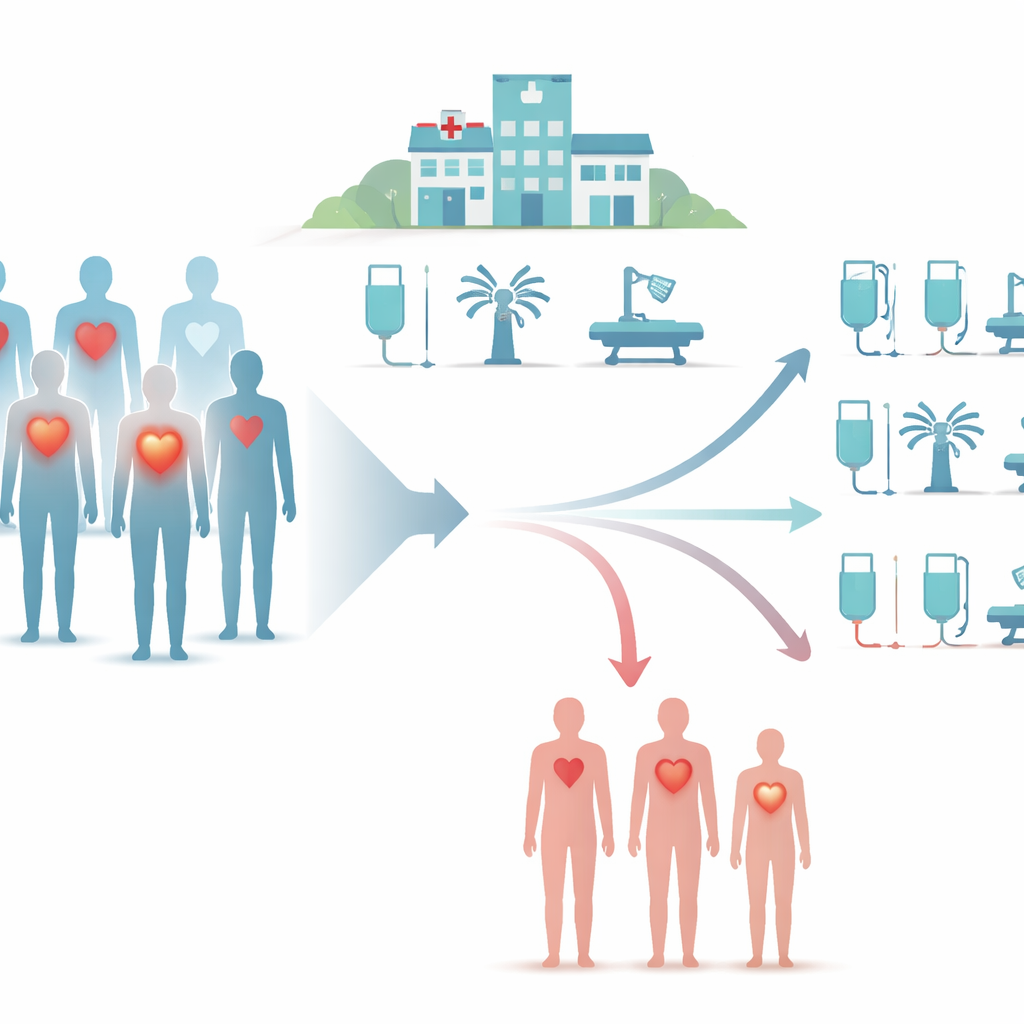
The researchers examined health records for more than 81,000 adults diagnosed with cancer in Northern Ireland between 2009 and 2019, excluding common but usually less serious skin cancers. These patients are treated within a tax-funded health system where care is free at the point of use, reducing the impact of insurance status or personal wealth on access to treatment. By linking cancer records with hospital admissions and treatment databases, the team could see which patients had a previous diagnosis of heart or blood vessel disease—such as heart failure, previous heart attack, abnormal heart rhythms, or blocked arteries—and which cancer treatments they went on to receive.
Comparing treatment for patients with and without heart disease
The key finding is that people who already had cardiovascular disease were about 30 percent less likely to receive any form of cancer treatment compared with those without heart problems, even after taking into account age, sex, where they lived, and other illnesses. This pattern held across the major types of treatment. Chemotherapy and radiotherapy were given less often to patients with heart disease, and surgery was also somewhat less likely. One exception was hormone therapy, commonly used for breast and prostate cancers, where overall use did not differ much between those with and without heart disease.
Timing and differences between conditions
The study did not just look at whether treatment happened, but also when. By tracking the time from cancer diagnosis to the start of any treatment, the researchers showed that people with heart disease were slower to begin therapy. Six months after diagnosis, only about two-thirds of patients with existing heart problems had started treatment, compared with nearly four out of five patients without such conditions. The delay persisted over a full year. When the team drilled down into specific heart problems and cancer types, they found even sharper differences. For example, patients with congestive heart failure were much less likely to receive treatment across several cancers, while those with certain rhythm problems or circulation issues were somewhat less affected.
Why these gaps may arise
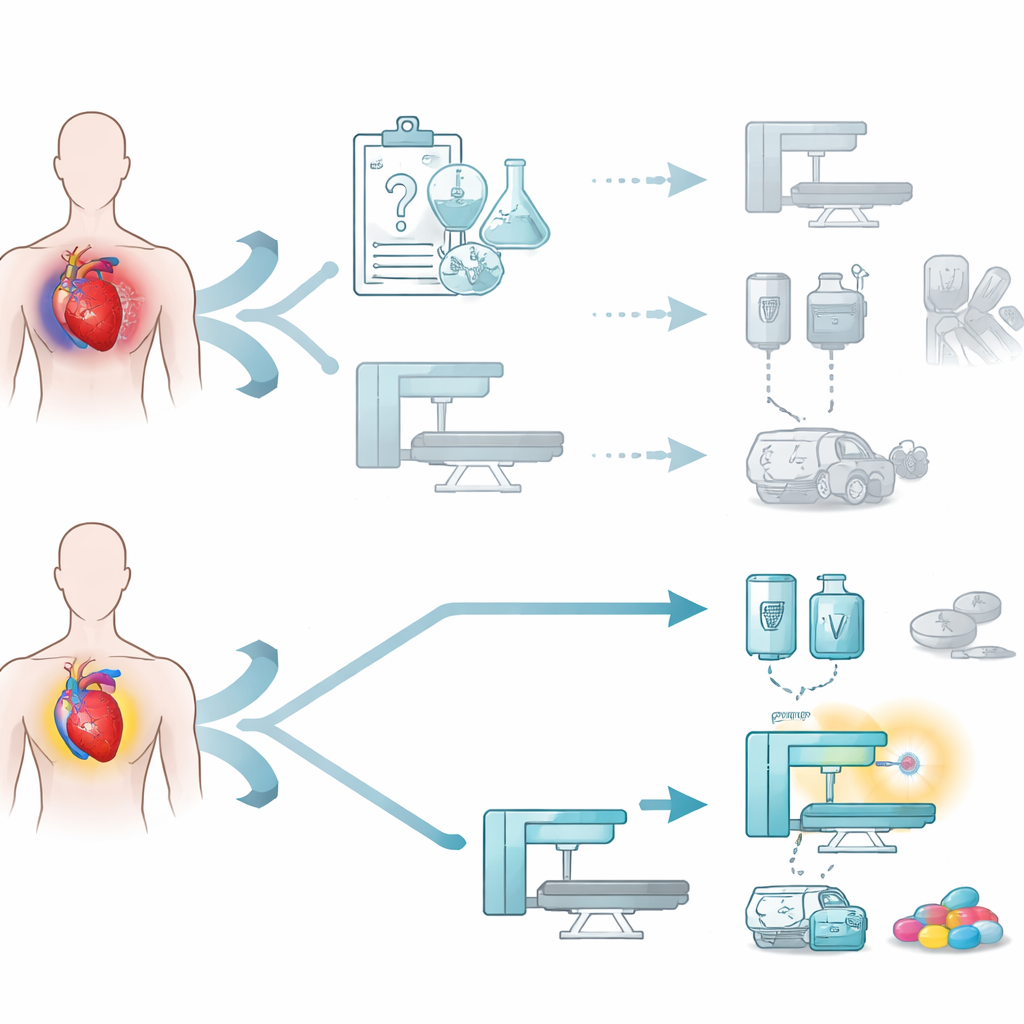
The reasons behind these treatment gaps are complex. Doctors may reasonably hesitate to offer aggressive chemotherapy or major surgery to someone whose heart is already struggling, because some cancer drugs and radiation can damage the heart further, and big operations carry extra risk. In other cases, symptoms of heart disease can mask early signs of cancer, leading to later diagnosis when fewer options are available. The study also suggests that some cardiovascular conditions are viewed as more manageable than others, which may influence how willing clinicians are to proceed with particular treatments. However, the findings raise the possibility that, beyond appropriate caution, some patients could be missing out on beneficial cancer care.
What this means for patients and health systems
In plain terms, having heart disease before cancer is linked to getting less cancer treatment, and getting it later, even in a health system designed to provide equal access. Sometimes this may be the right clinical choice, but sometimes it may not. The authors argue that heart health should be a central part of planning cancer treatment and of comparing cancer outcomes between countries. Their work supports the growing field of cardio-oncology, which brings heart and cancer specialists together to balance risks and benefits for each patient. It also reinforces a broader message: protecting the heart through lifestyle and preventive care may not only reduce the risk of heart attacks and strokes, but could also help ensure better options and outcomes if cancer is ever diagnosed.
Citation: Küçükali, H., Walls, G.M., Bennett, D. et al. The association between pre-existing cardiovascular disease and cancer treatment receipt in a population-based cancer registry. Sci Rep 16, 10232 (2026). https://doi.org/10.1038/s41598-026-38529-0
Keywords: cardio-oncology, cancer treatment access, cardiovascular disease, multimorbidity, population-based registry