Clear Sky Science · en
Structural barriers drive gender inequality across academic careers in Brazilian ecology
Why this story matters
Behind every discovery about forests, oceans, or wildlife, there is a scientist whose career path may be smoother or rockier depending on who they are. This study looks at ecologists in Brazil and asks a simple but pressing question: if women are the majority in graduate programs, why do so few end up in senior university posts and top research roles? By listening directly to hundreds of researchers, the authors reveal how everyday structures and expectations quietly push women off the academic ladder.
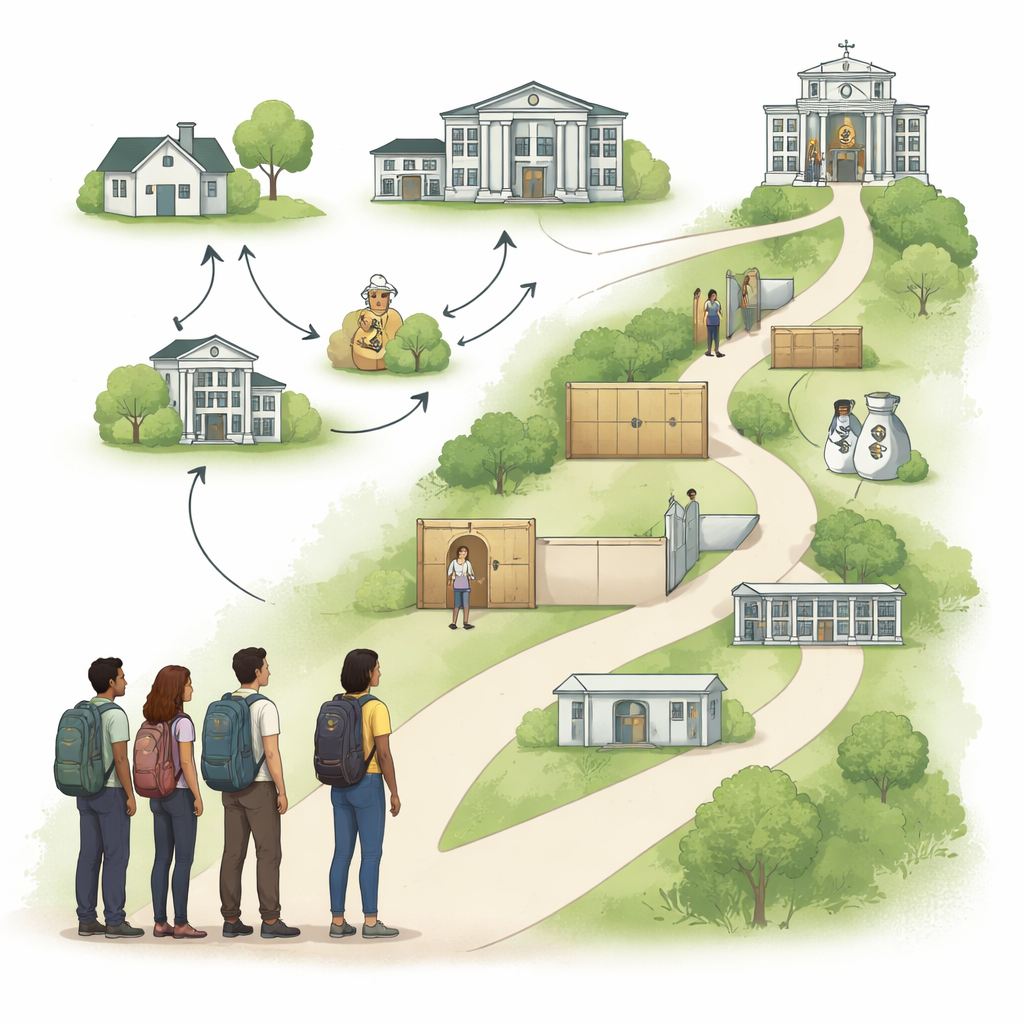
Many women start, fewer reach the top
In Brazilian ecology, women now outnumber men in master’s and PhD programs, yet men still dominate permanent professor positions, grants, and public recognition. To understand this gap, the authors surveyed 283 ecologists across the country, most of them women and mostly in their 20s and 30s. The questionnaire asked about their education, income, family life, workplace experiences, and research output. It also separated people into early-career and senior groups, allowing the team to see how obstacles change over time. The picture that emerged shows that the leak in the “pipeline” from student to professor is not about talent or interest, but about how institutions and social expectations treat men and women differently.
Life choices that weigh unevenly
The survey shows that personal decisions about where to live and whether to have children fall much more heavily on women. Women were more likely than men to move cities because their partners had moved, and men more often reported that their own partners’ careers suffered after relocation. When it came to parenthood, about two-thirds of women said their career affected their desire to have children, compared with just over one-third of men. Large majorities of both genders agreed that maternity leave harms women’s careers, but many men did not see it as a problem. For women, the prospect of lost opportunities, slower productivity, and weak institutional support turns having a child into a risky professional gamble.
Everyday bias and unsafe workplaces
Inside universities and research institutes, women described a work culture that often undermines their credibility and safety. Almost all women reported at least one type of gender-based discrimination, such as being the target of sexist jokes, having their authority labelled as “aggressive,” seeing men take credit for their work, or facing bias linked to pregnancy. About one in three women reported sexual harassment by colleagues, with supervisors involved in many cases and most incidents never fully addressed. Women also worried more about personal safety during fieldwork and were more likely to bring assistants for protection. Men, in contrast, often reported seeing no gender problem in hiring, promotion, or leadership selection, even though men still hold most top roles.
Unequal hurdles to productivity and recognition
Publishing research papers is critical for winning grants and promotions. The study found that early-career men and women produced similar amounts of work, but as careers advanced, men increased their output while women’s stayed lower. Senior men were far more likely to publish many papers per year than senior women. Both genders cited lack of funding and resources as major obstacles, reflecting Brazil’s strained science budget. Yet women more often pointed to family duties, safety concerns, and gender discrimination as additional brakes on productivity. Socioeconomic background and place of origin also mattered: those from more privileged regions and families tended to fare better, highlighting how class and geography layer onto gender.
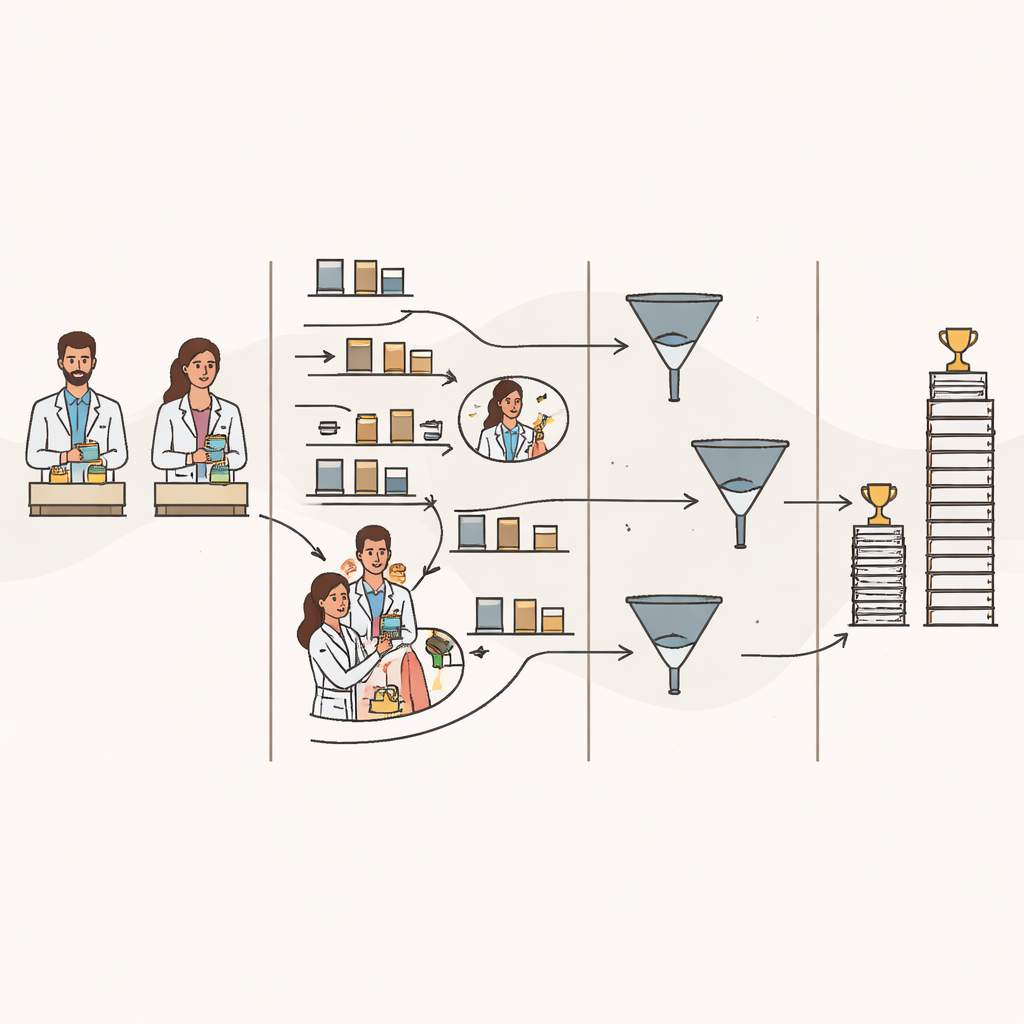
What needs to change
The authors argue that these patterns are not simply about individual choices but about “structural” barriers built into how science is organised. They recommend coordinated reforms: more balanced maternity and paternity leave, clear rules and consequences for harassment, committees dedicated to diversity and inclusion, and hiring and funding practices that value fairness over sheer volume of publications. They also stress that men, who currently hold most leadership positions, must actively participate in recognising and dismantling bias. In plain terms, the study shows that Brazilian ecology is losing talent because the system is designed in ways that make it harder for women—especially those from less privileged backgrounds—to stay, thrive, and lead. Fixing these structures is not only a matter of justice; it is essential for better, more creative science.
Citation: Costa, A.P.L., Ciccheto, J.R.M., Santos, M.E.F. et al. Structural barriers drive gender inequality across academic careers in Brazilian ecology. Sci Rep 16, 11036 (2026). https://doi.org/10.1038/s41598-026-38278-0
Keywords: gender inequality, academic careers, Brazilian ecology, women in science, research funding