Clear Sky Science · en
Gambling disorder as a risk factor for suicidal ideation in medical students
Why this study matters
Medical students are training to save lives, yet many quietly struggle with thoughts of ending their own. This study from a French medical school looks beyond familiar pressures like exams and long hours to examine a less visible threat: gambling problems. By exploring how gambling, anxiety, and difficulty handling emotions relate to suicidal thoughts, the authors reveal risks that often go unnoticed—and suggest practical ways universities can better protect future doctors.
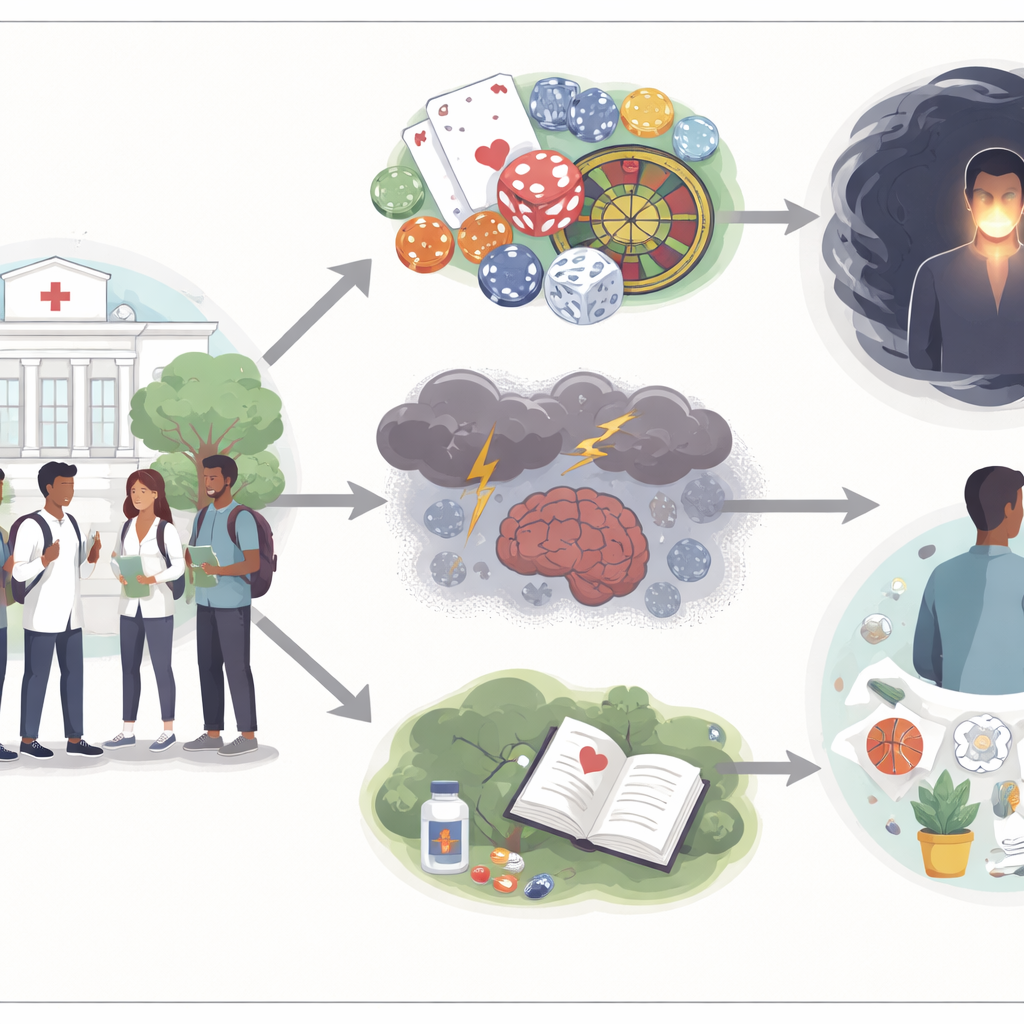
Who was studied and what was measured
The researchers surveyed second- to fourth-year medical students at the University of Montpellier between 2021 and 2023. Of the 1,762 students invited, 966 agreed to take part, and 775 completed all the key questions used in this analysis. The online survey asked about recent suicidal thoughts, symptoms of depression and anxiety, signs of burnout, alcohol and drug use, gambling behavior, physical and artistic activities, long-term health problems, and how strongly students felt they belonged to their school community. The team also measured two psychological traits: empathy toward patients and how well students could understand and manage their own emotions.
How common suicidal thoughts and gambling problems were
Among the students who completed the survey, nearly one in six (15.8%) reported having suicidal thoughts in the previous two weeks. This proportion was higher in students further along in their training, as they entered demanding hospital placements. Problem gambling—identified with a brief, highly sensitive two-question screen—was found in about 3% of students, a rate similar to that of the general French population but roughly double what would be expected for this age group. Students with signs of gambling disorder were much more likely to report recent suicidal thoughts than their peers without gambling problems (about 35% versus 15%).
Untangling which factors really matter
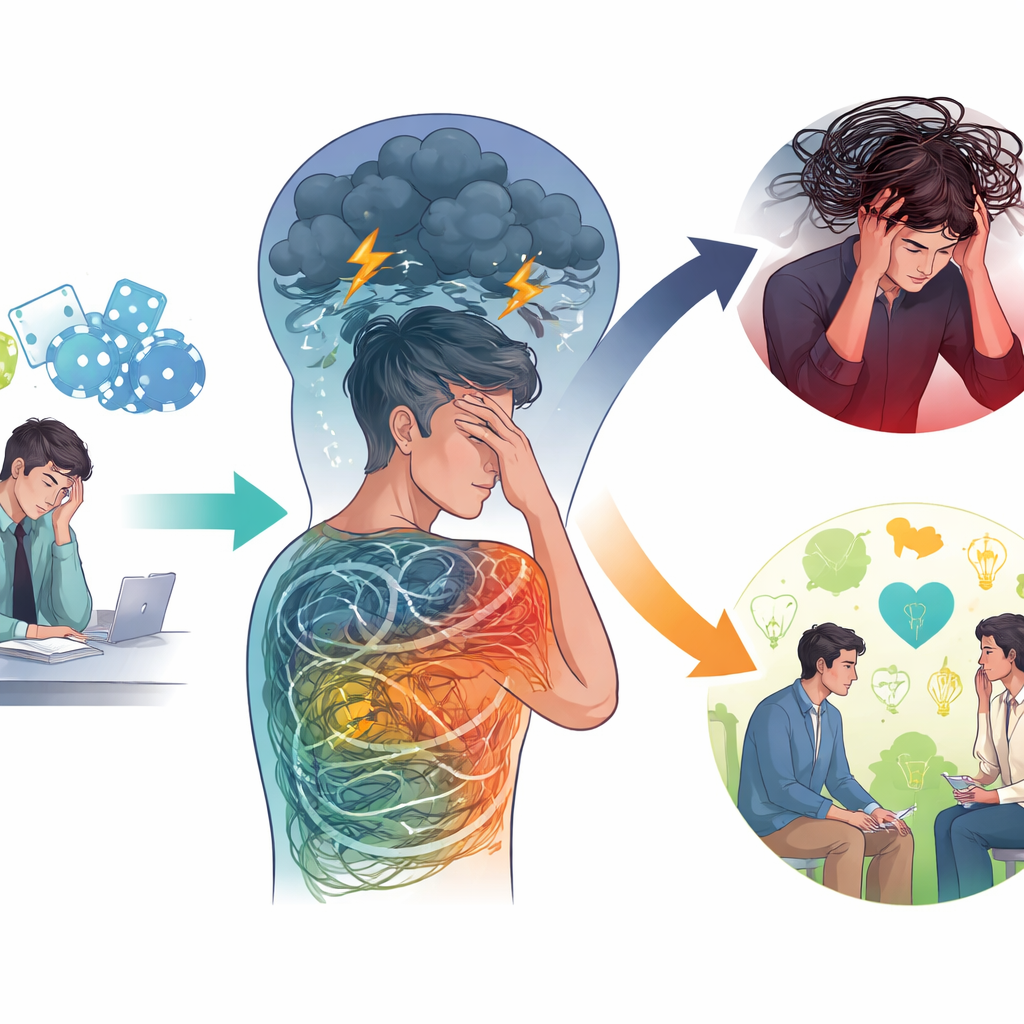
Because many of these difficulties tend to cluster together, the researchers used statistical models to separate overlapping influences. In simpler, one-factor-at-a-time comparisons, students with suicidal thoughts were more likely to report depression, anxiety, burnout, gambling problems, chronic illness or disability, weak ties to their school community, and greater trouble dealing with their emotions. They were also less likely to practice sports regularly. However, when all of these were examined together, only a few stood out as independently linked to suicidal thoughts: probable gambling disorder, moderate to severe anxiety, and stronger problems with emotional regulation. Empathy toward patients showed a very small, complex association, while burnout, sports, artistic activities, and sense of belonging did not remain significant once mental health and emotion factors were accounted for.
What this means for medical schools
The findings suggest that for medical students, suicidal thoughts are not only a matter of depression or work overload. An often overlooked behavior—harmful gambling—appears to carry a particularly strong connection to suicidal ideation, even after considering anxiety, other addictions, and background factors. Difficulties in managing intense feelings may further push vulnerable students toward crisis when they face academic stress, financial strain, or losses related to gambling. The authors argue that high-pressure study paths, such as medicine, should not limit prevention efforts to screening for depression alone, but should also look for behavioral addictions and teach concrete skills for handling emotions and stress.
Take-home message for readers
This study concludes that gambling problems, anxiety, and trouble managing emotions are key warning signs for suicidal thoughts among medical students. While depression and burnout remain serious concerns, they do not fully explain who is at risk. For families, educators, and health professionals, the message is clear: ask about gambling, not just drinking and grades; normalize seeking help for emotional overload; and build training that strengthens coping skills early in medical education. Addressing these hidden pressures can make the path to becoming a doctor safer and healthier for the students we all rely on for tomorrow’s care.
Citation: Luquiens, A., Bourgier, C. & Fabbro-Peray, P. Gambling disorder as a risk factor for suicidal ideation in medical students. Sci Rep 16, 12294 (2026). https://doi.org/10.1038/s41598-026-37805-3
Keywords: medical students, gambling disorder, suicidal ideation, anxiety, emotion regulation