Clear Sky Science · en
Genomic and phenotypic characterization of plasmid-mediated extensively drug-resistant Salmonella Typhi from Lahore Pakistan carrying IncY IncQ1 and IncC replicons
Why This Typhoid Story Matters Now
Typhoid fever is an age‑old disease, but in parts of Pakistan it is returning in a far more dangerous form—one that shrugs off many of our standard medicines. This study from a major hospital in Lahore looks closely at these hard‑to‑treat infections, asking who is getting sick, which drugs still work, and what is happening inside the bacteria that makes them so tough. The findings are a warning for anyone concerned about antibiotic resistance and the future of routine infections.
A Growing Threat in Everyday Life
Typhoid fever is caused by the bacterium Salmonella Typhi and spreads through contaminated food and water. Worldwide, it sickens millions and kills well over a hundred thousand people each year, with the heaviest burden in South Asia. Pakistan has become a global hotspot, with especially high infection rates. In recent years, doctors there have faced a worrying rise in “extensively drug‑resistant” (XDR) typhoid—strains that resist nearly all commonly used pills, forcing hospitals to rely on a few last‑line drugs. 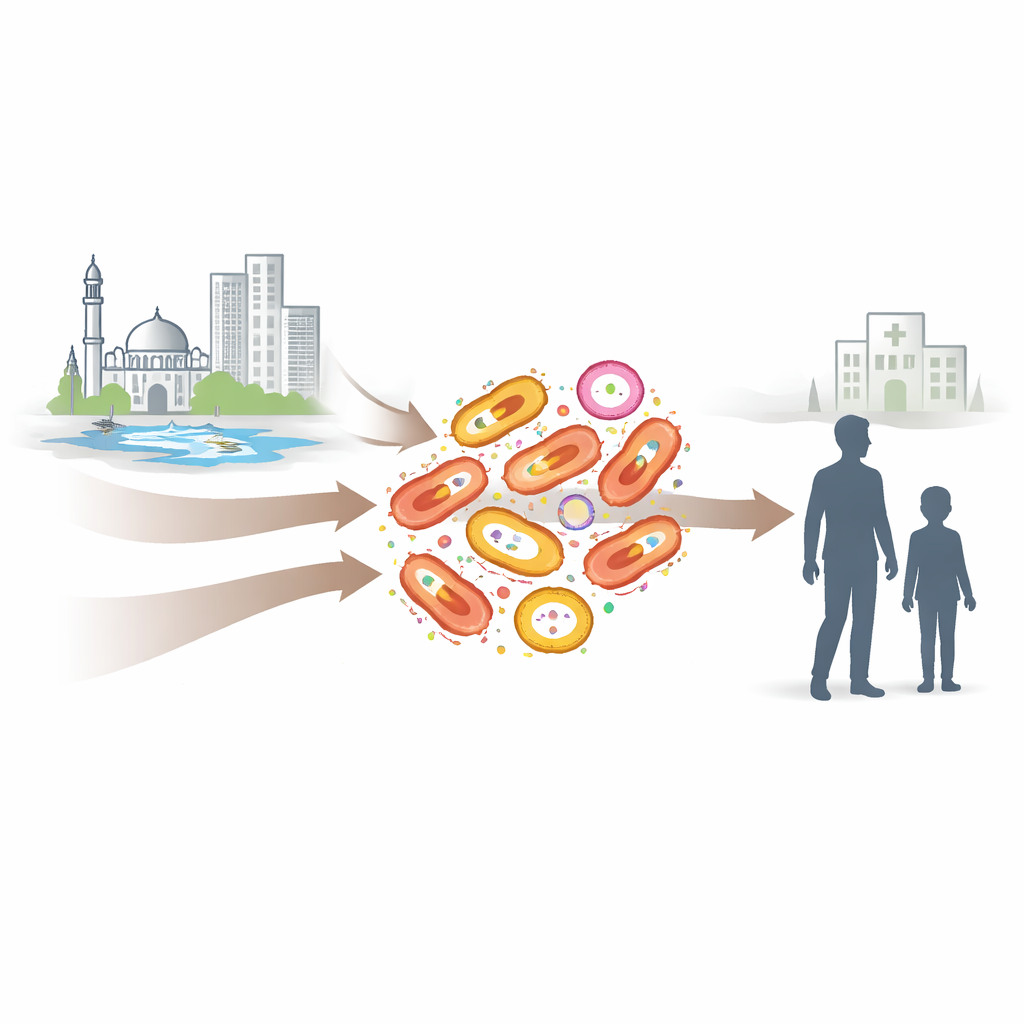
Who Is Getting Sick and Which Drugs Still Work
The researchers analyzed 384 blood samples from people with suspected typhoid at a large public hospital in Lahore between 2021 and 2024. Most patients were male, and almost half were children under ten, highlighting how this disease hits the young especially hard. When the team tested the bacteria against different antibiotics, the results were stark: 38% of the isolates were classified as XDR and 35% as multidrug‑resistant, leaving just over a quarter as largely treatable “wild type” strains. The resistant bacteria were almost always unfazed by older drugs such as ampicillin, chloramphenicol, co‑trimoxazole and by widely used medicines like ciprofloxacin and the injectable antibiotic ceftriaxone. Encouragingly, all of the sampled strains were still sensitive to azithromycin and to powerful hospital‑only drugs called carbapenems, but these are among the last options available.
What Makes These Germs So Hard to Kill
To understand why these typhoid strains are so resistant, the scientists went beyond routine lab tests and examined the bacteria’s genetic material. They focused on XDR samples and sequenced their entire genomes, paying special attention to small DNA loops called plasmids. Plasmids act as mobile packages of genes that bacteria can swap with one another, often carrying instructions for drug resistance. The study found that most XDR strains shared two key plasmid types, known as IncY and IncQ1, and some carried additional plasmids such as IncC or IncA/C2. These plasmids were loaded with resistance genes, including ones that disable modern “third‑generation” cephalosporin antibiotics and others that blunt the effect of several different drug classes at once. 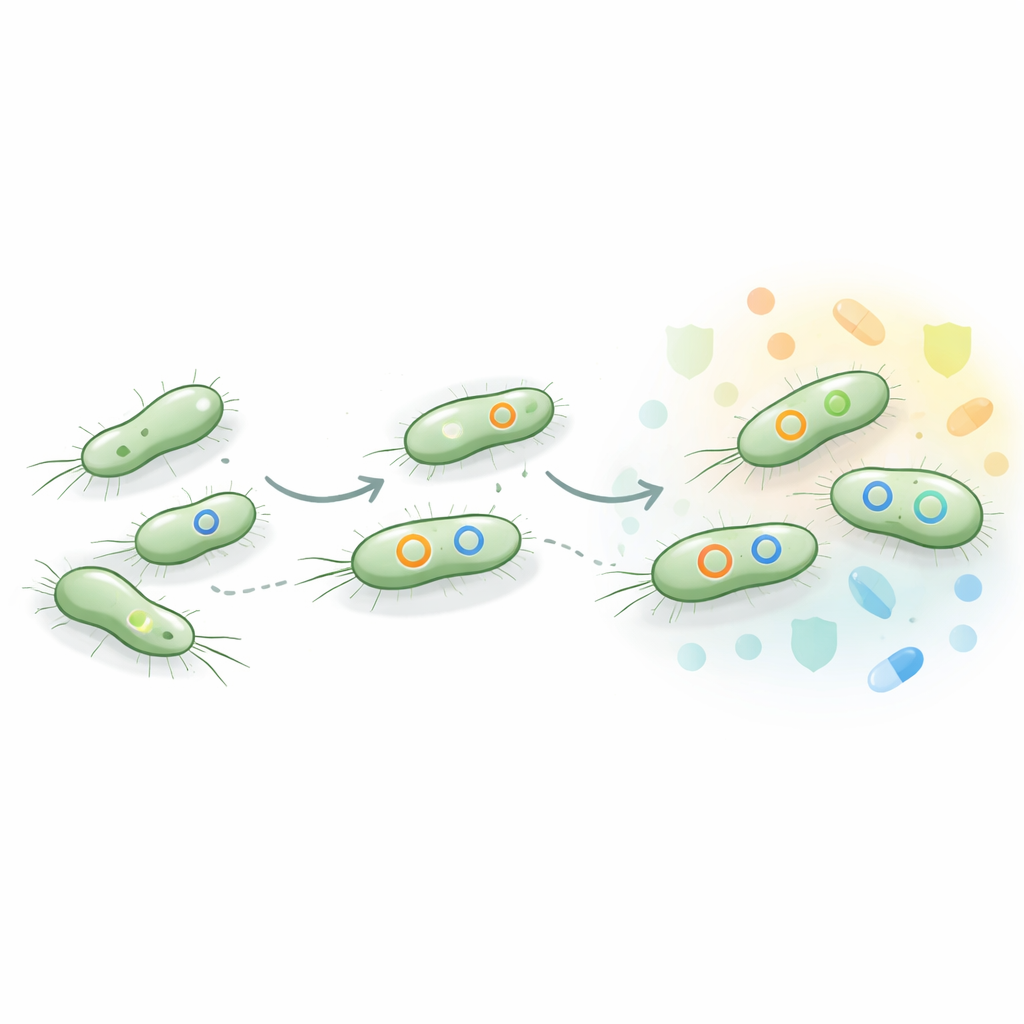
How Resistance Spreads and Why It Varies by Place
The pattern of plasmids in Lahore’s bacteria mirrors what has been seen in earlier outbreaks in the Sindh province and in travelers returning from Pakistan to other countries, suggesting that a highly successful resistant lineage is spreading across regions and even borders. At the same time, subtle differences in the plasmid combinations from city to city hint that local drug‑use habits and health‑care practices are shaping the evolution of these strains. Because plasmids can jump between different bacteria, resistance can move quickly through communities and hospitals, especially where antibiotics are overused or available without prescription.
What This Means for Treatment and Prevention
The authors conclude that XDR typhoid has become a serious and growing threat in Lahore, making once‑reliable treatments ineffective and pushing doctors toward a narrow set of last‑resort drugs. They recommend avoiding older antibiotics and third‑generation cephalosporins as first choices and preserving carbapenems for the sickest patients. At the same time, they stress that better surveillance, careful antibiotic stewardship, vaccination, and improvements in water and sanitation are essential to prevent further spread. For the general public, the message is clear: the more we rely carelessly on antibiotics, the more we empower microbes like these plasmid‑armed typhoid bacteria to outsmart our medicines.
Citation: Jamil, I., Rehman, A.U., Rehman, M.F.U. et al. Genomic and phenotypic characterization of plasmid-mediated extensively drug-resistant Salmonella Typhi from Lahore Pakistan carrying IncY IncQ1 and IncC replicons. Sci Rep 16, 13606 (2026). https://doi.org/10.1038/s41598-026-37560-5
Keywords: typhoid fever, antibiotic resistance, Salmonella Typhi, Pakistan, plasmids