Clear Sky Science · en
Impact of unmet expectations in clinical practice on nursing student competencies in a multi-center study
Why this matters for patients and families
When we picture nurses at a hospital bedside, we assume they have had rich, hands‑on training before they care for us or our loved ones. This study from two universities in Ethiopia asks a simple but crucial question: what happens when the real‑world training that nursing students receive in hospitals does not live up to what they were promised in the classroom? By listening closely to students, nurses, and hospital leaders, the authors show how day‑to‑day gaps in support, resources, and communication can quietly erode the skills and confidence of tomorrow’s nurses.
What the researchers set out to explore
The team focused on “clinical practice” – the period when nursing students leave lecture halls and begin working with real patients under supervision. International health plans depend on these students graduating with solid, practical skills so they can meet communities’ health needs. Yet earlier reports from many countries hinted that students often feel let down in hospital placements. To understand this more deeply in the Ethiopian context, the researchers used a qualitative approach: they held five focus group discussions with 30 undergraduate nursing students from different specialties and years, and conducted interviews with four key insiders – a preceptor, a head nurse, a hospital administrator and a lecturer. They then analyzed the recorded conversations thematically to find recurring patterns.

When support in the hospital falls short
The first major pattern was a shortage of meaningful supervision and mentorship. Students described instructors who came mainly to take attendance, then disappeared, and hospital nurses who gave orders but little explanation or demonstration. Because clinical staff were not paid or rewarded for teaching, many felt unmotivated to guide students. As a result, students hesitated to carry out basic procedures for fear of harming patients or being blamed for mistakes. They felt unable to practice enough to become confident and competent. Overcrowded wards made things worse: many students from different schools and professions crowded around the same few patients and pieces of equipment. Patients became tired of repeatedly answering similar questions, and students often backed away rather than risk further upsetting them.
Too much theory, not enough hands‑on skill
The second pattern was a deep gap between what was taught in classrooms and what actually happened at the bedside. Students arrived on the ward eager to see textbook procedures in action, only to encounter improvised or shortcut methods shaped by shortages of gloves, stethoscopes and other tools. Steps they had carefully learned were missing or altered, leaving them unsure whether to follow their teachers’ standards or the everyday habits of busy staff. At the same time, clinical courses themselves were heavily theory‑oriented: students spent large parts of their hospital time writing case reports, diaries and seminars because that was how they were graded. They worried that they could graduate having mastered paperwork rather than vital skills like taking blood pressure accurately or recognizing abnormal heart and lung sounds.
Lost in the system from day one
The third pattern centered on orientation and communication. Many students arrived at the hospital without anyone clearly explaining basic rules, professional expectations or even the layout of the building. Some wandered the wards unsure where to go, and a few inadvertently breached etiquette by chatting, taking photos, or otherwise disturbing patients – behavior that might have been prevented with clear guidance. Nurses often had not been told who the students were, what year they were in, or what they were supposed to practice. Without a formal handover from instructors, staff were less likely to involve students in care or to introduce them properly to patients. This lack of connection made it harder for students to learn and contributed to a sense that their time in the hospital was disorganized and less valuable than they had hoped.
What this means for tomorrow’s nurses
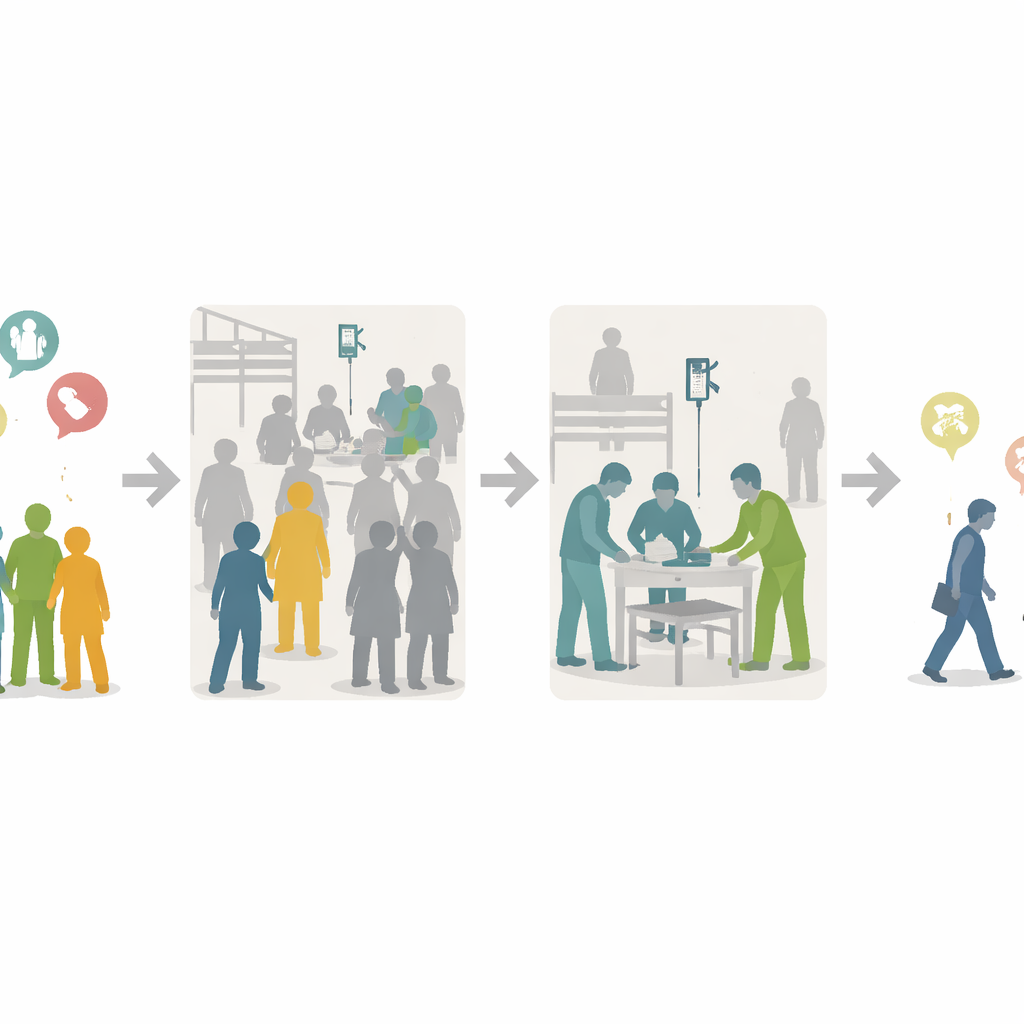
Taken together, these unmet expectations – weak supervision, a crowded and poorly equipped learning space, a mismatch between classroom ideals and ward realities, and thin communication – all chip away at nursing students’ ability to build solid clinical competence. The authors stress that these are fixable problems. They recommend closer collaboration between nursing schools and hospitals so that instructors and staff nurses share responsibility for teaching, with appropriate recognition and incentives. They call for better resourcing of clinical areas, smaller student groups, structured orientation programs, and efforts to bring everyday ward practice closer to what is taught in class. For the public, the message is clear: investing in supportive, well‑organized clinical training is not an academic luxury – it is a direct investment in the safety and quality of the care we will receive from the next generation of nurses.
Citation: Degefa, A.A., Temesgen, W.A., Sinshaw, M.A. et al. Impact of unmet expectations in clinical practice on nursing student competencies in a multi-center study. Sci Rep 16, 11894 (2026). https://doi.org/10.1038/s41598-026-37239-x
Keywords: nursing education, clinical training, student expectations, clinical competence, Ethiopia