Clear Sky Science · en
Key barriers and solutions for decarbonizing Egypt’s construction sector
Why this matters for everyday life
Buildings and roads shape how we live, work, and move—but they also quietly pump large amounts of climate-warming carbon into the air. This study looks at Egypt’s construction sector, a fast-growing part of a major developing economy, to ask a simple question with global consequences: what is really stopping builders, investors, and officials from cutting these emissions, and what would actually help them change course?
How buildings create hidden climate costs
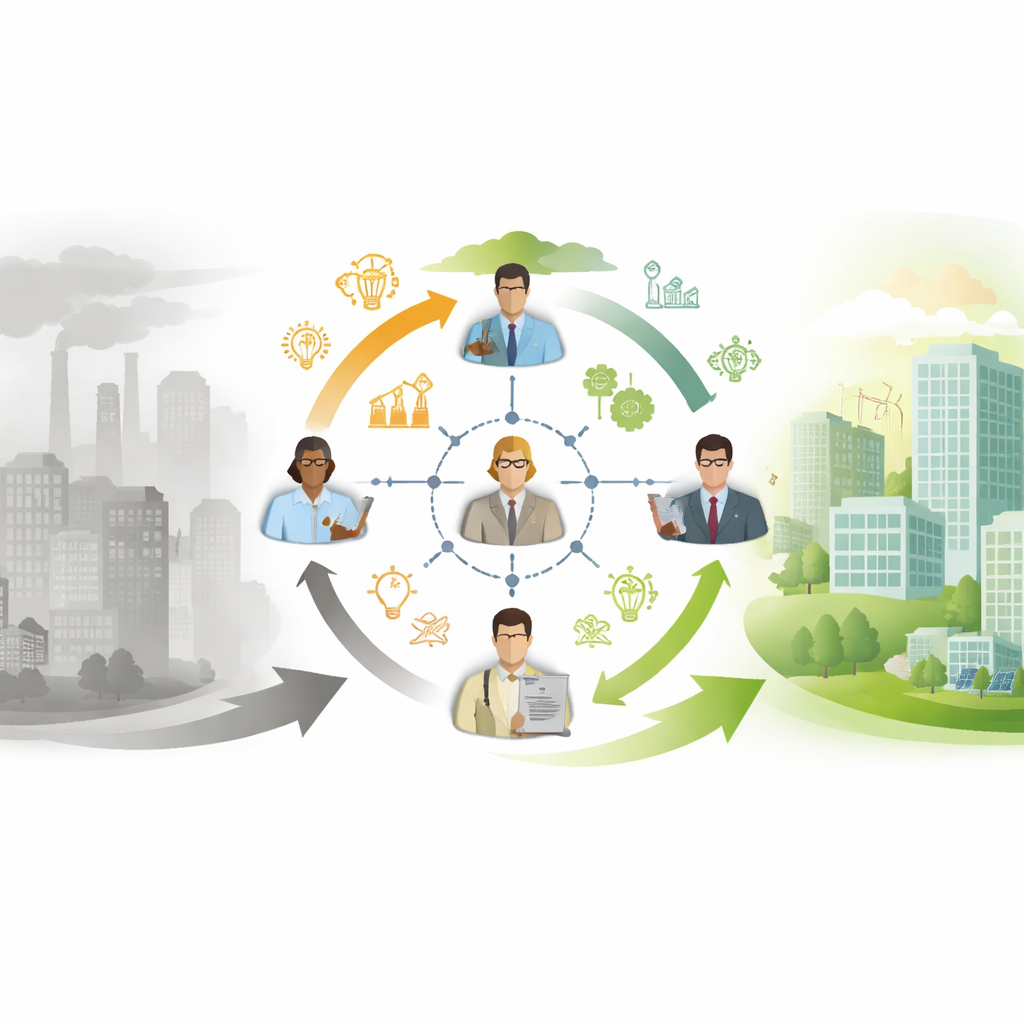
When we think of a building’s energy use, we usually picture air conditioners, lights, and elevators running day and night. Yet a major share of climate impact is “locked in” long before anyone moves in—through the cement, steel, glass, and construction processes themselves. The authors explain that in Egypt, as in many countries, most rules and tools focus on the energy a building uses once it is operating, while the carbon tied to making and assembling materials is largely ignored. Because construction projects are complex and involve many separate firms and decisions, cutting this “embodied” carbon requires a cycle of choices that links architects, engineers, suppliers, contractors, clients, and government in a continuous loop of feedback and improvement.
What industry experts say is in the way
To move beyond general talk of “green building,” the researchers surveyed 125 experienced professionals across Egypt’s construction ecosystem—architects, engineers, sustainability specialists, manufacturers, developers, and regulators. Drawing on earlier studies and expert interviews, they compiled 32 specific obstacles, then asked respondents to rate both how damaging each one is and how often it shows up. Three barriers rose clearly to the top: a strong perception that low-carbon buildings cost more to construct; a market that rewards speed and lowest price over climate performance; and the high upfront cost of cleaner technologies and materials. These economic pressures are reinforced by weak rules on carbon, difficulty finding reliable data on materials, low awareness of benefits, and limited training.
Sorting the problems into urgent and later
Rather than treating every complaint as equally important, the team used statistical tools to prioritize. They combined each barrier’s perceived strength and likelihood into a single “risk” score, then mapped all 32 on a four-box chart and grouped them into three clusters. Over half fell into the most urgent group: issues that are both powerful and common. These include economic fears about cost, lack of clear government rules and enforcement, and a construction market geared toward quick delivery. A second cluster captured significant but more internal problems, such as unclear company policies and difficulty accessing good-quality carbon data. A third cluster contained technical and resource issues seen as real but less critical, which could be tackled over a longer time horizon.
Who should act, and what would actually help
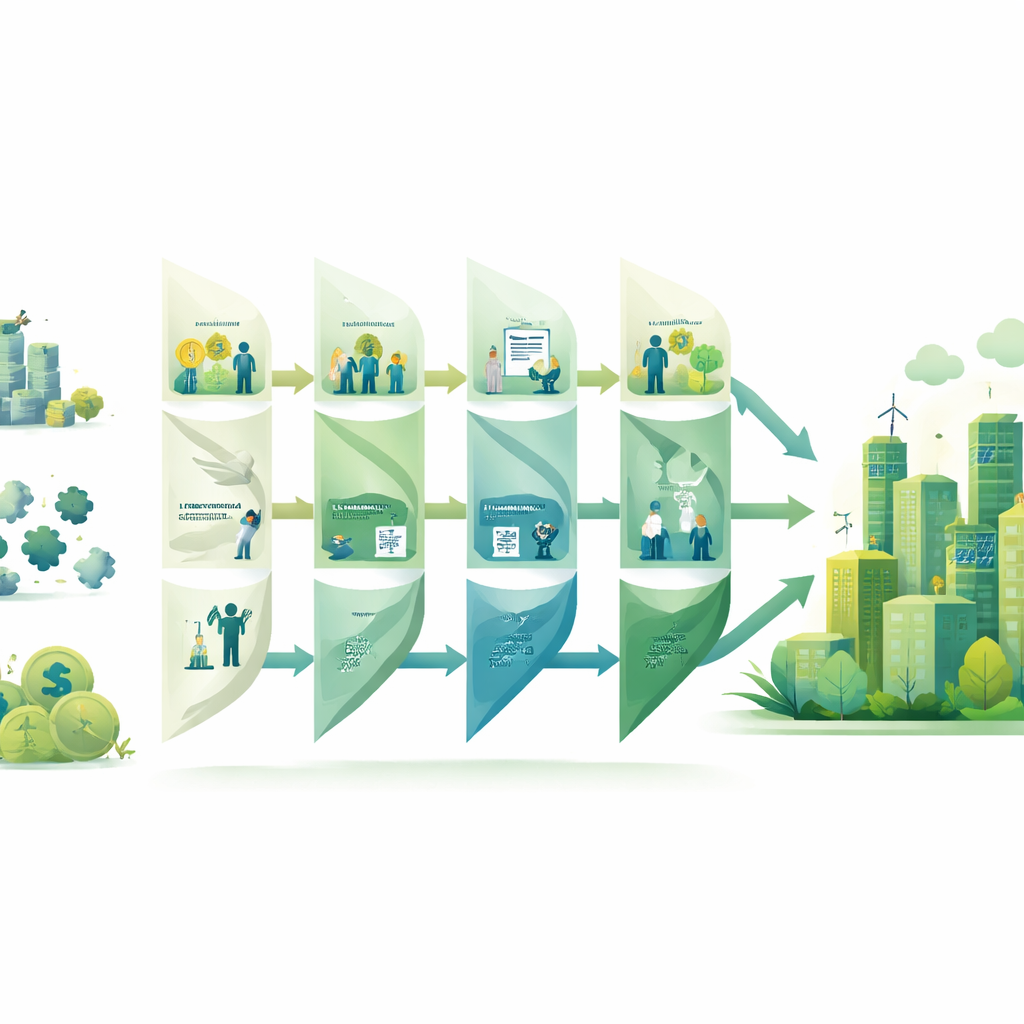
The survey also asked who should carry the most responsibility for cutting carbon. Respondents overwhelmingly pointed to government and regulators first, followed closely by sustainability consultants and architects. Contractors and structural engineers, though essential to day-to-day delivery, were seen as having less steering power. When experts rated possible solutions, two levers stood out: financial incentives such as subsidies, tax breaks, or favorable financing for low-carbon projects; and stronger legislation that sets clear carbon expectations and enforces them. Other widely supported steps included better coordination across project stages, closer collaboration between researchers and industry, targeted training, and building national databases of low-carbon materials and case studies that make it easier to compare choices.
What this means for future cities
For a layperson, the lesson is straightforward: Egypt’s path to lower-carbon construction—and by extension that of many developing countries—depends less on inventing new technology and more on changing the rules of the game. Today, builders are punished for taking climate seriously through higher perceived costs and unclear requirements. The study concludes that if governments expand building codes to cover the full carbon footprint of materials, enforce those rules consistently, and pair them with smart financial support and better information, the market can shift. In that world, low-carbon designs become the safe, expected choice rather than an expensive experiment, helping future neighborhoods grow in ways that are both livable and climate‑friendly.
Citation: Harb, S., Abotaleb, I.S. & Ezeldin, A.S. Key barriers and solutions for decarbonizing Egypt’s construction sector. Sci Rep 16, 10648 (2026). https://doi.org/10.1038/s41598-026-37170-1
Keywords: construction decarbonization, embodied carbon, Egypt building sector, sustainable construction policy, low-carbon materials