Clear Sky Science · en
Epigenetic, neuroplasticity, and adrenergic targets associated with major depression in immune cells
Why Your Immune Cells Matter in Depression
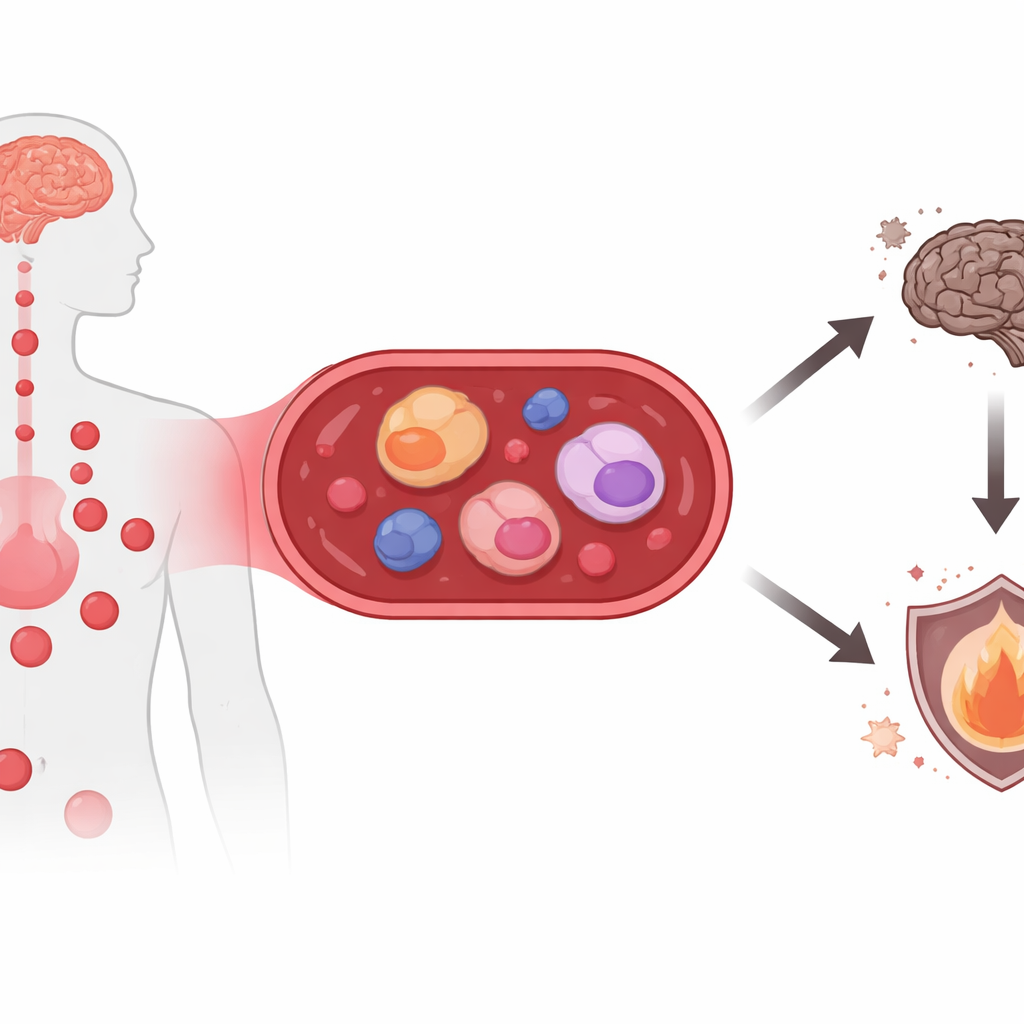
Major depression is usually thought of as a problem of mood and the brain, but growing evidence suggests that the body’s defense system is deeply involved too. This study explores how certain switches inside immune cells—chemical tags that can turn genes on or off—are altered in people with moderate to severe depression. By focusing on cells circulating in the blood, the researchers hope to identify measurable signals that could help diagnose depression earlier or predict who will respond to treatment.
Looking Inside Blood Cells, Not Just the Brain
The team studied 56 adults with long-lasting major depression and compared them with 51 healthy volunteers of similar age and sex. Instead of examining the brain directly, they isolated specific white blood cells—three types of monocytes and a broad group of T-cells—from blood samples. These cells are key players in both fast-acting and long-term immune responses and also carry receptors for brain chemicals like serotonin and adrenaline. This makes them a useful window into how the mind and body communicate in depression.
Epigenetic Switches Tilt Toward a “On” Position
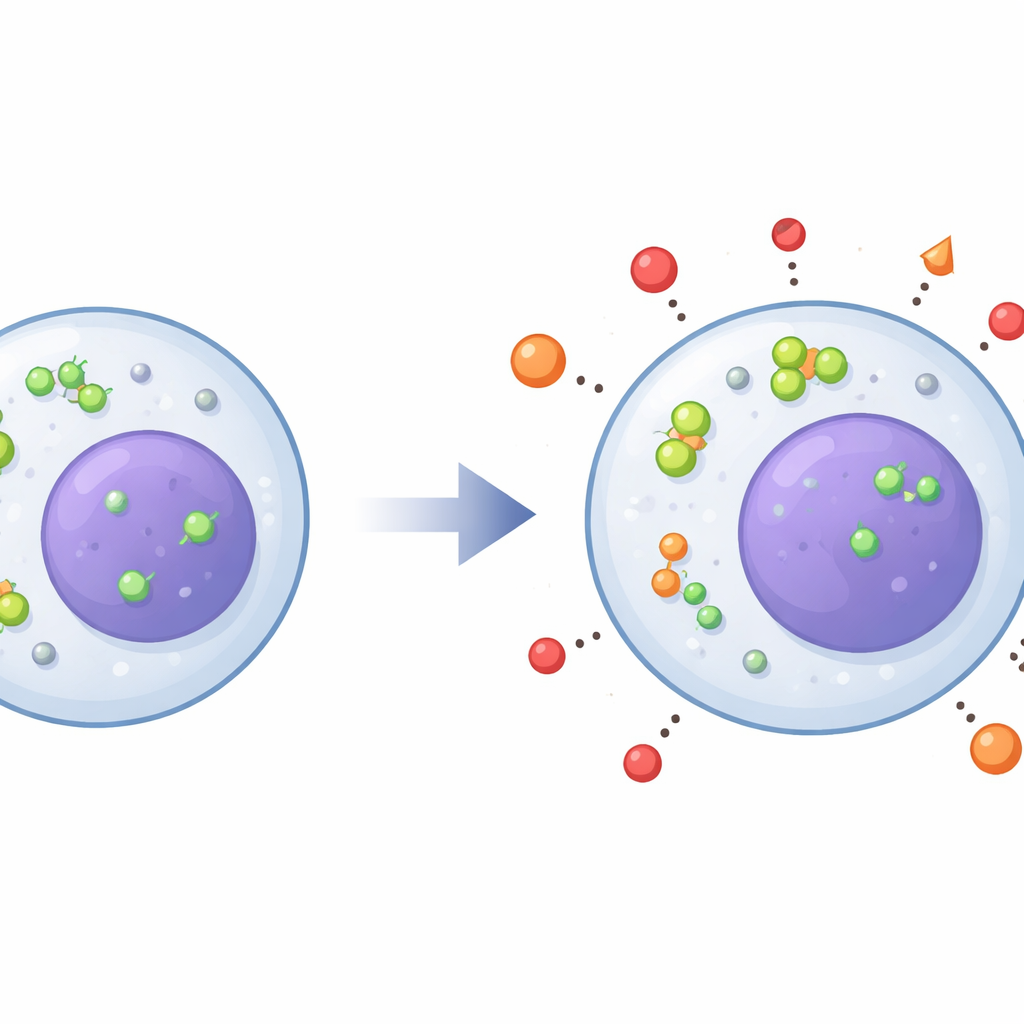
The researchers focused on two enzyme families, HDAC5 and SIRT2, which act as epigenetic switches controlling many genes related to inflammation and brain plasticity. Using microscopy, they found that in depressed patients these enzymes were more concentrated in the nucleus—the command center of the cell—rather than the surrounding cytoplasm. This nuclear enrichment was seen in all monocyte types and in T-cells, and the shift was stronger in patients with more severe symptoms. At the same time, the genes encoding HDAC5 and SIRT2 were more active in certain monocyte subsets and in T-cells, suggesting a broad push toward a state that can favor inflammation and reduce the brain’s capacity to adapt.
Signals of Nerve Growth Go Down, Stress Signals Go Up
The study also looked at brain-derived neurotrophic factor (BDNF), a molecule that supports the growth and flexibility of nerve cells. In intermediate monocytes and T-cells from depressed patients, the gene for BDNF was less active than in healthy people, fitting with earlier work linking low BDNF to depression. At the same time, classic monocytes from depressed participants showed higher activity of the gene for the beta-2 adrenergic receptor, a key sensor of stress hormones, and higher levels of the inflammatory messenger IL-6. These changes were tied to the nuclear shift of HDAC5: when more HDAC5 accumulated in the nucleus, beta-2 receptor and IL-6 signals tended to be higher, suggesting a chain of events that links stress signaling, epigenetic changes, and inflammation within the same cells.
Toward Blood-Based Clues for Diagnosis
To test whether these molecular changes might help distinguish depressed patients from healthy people, the authors used statistical models similar to those employed in medical risk calculators. They found that increased beta-2 receptor gene activity in classic monocytes, higher SIRT2 in intermediate monocytes, and higher HDAC5 in T-cells each separated depressed from healthy participants with moderate accuracy. A combined measure that included HDAC5, BDNF, and another gene called KLF2 in T-cells performed even better. Although these tests are not ready for clinical use, they suggest that a small panel of blood markers could one day support diagnosis or guide treatment choices.
What This Means for People Living With Depression
In simple terms, this work shows that major depression leaves a clear fingerprint on circulating immune cells. Key epigenetic switches move into the nucleus and become more active, growth-supporting signals like BDNF go down, and stress and inflammatory signals go up, especially in certain monocyte subsets. These shifts may help explain why depression is often accompanied by low-grade inflammation and why some patients respond poorly to standard antidepressants. With larger studies, the same molecular patterns measured in a routine blood draw could become useful biomarkers—objective, biological clues—to identify depression, monitor its course, and possibly tailor therapies that target both the brain and the immune system.
Citation: Cortés-Erice, M., Garayo-Larrea, A., Fernández-Ovejero, R. et al. Epigenetic, neuroplasticity, and adrenergic targets associated with major depression in immune cells. Sci Rep 16, 12318 (2026). https://doi.org/10.1038/s41598-026-36954-9
Keywords: major depression, immune cells, epigenetics, inflammation, BDNF