Clear Sky Science · en
Probiotic supplementation for anxiety symptoms in people with Parkinson’s disease: a randomized, double-blind, placebo-controlled trial
Why this study matters
People with Parkinson’s disease often think first about movement problems, but many also struggle with anxiety that can be just as disabling. Standard anxiety drugs may cause troubling side effects in this population, so both patients and clinicians are eager for safer options. Probiotic supplements—live "good" bacteria taken by mouth—are widely marketed for gut and mood health, but solid evidence in Parkinson’s disease has been limited. This study asked a simple question with big practical consequences: can a carefully chosen probiotic blend ease anxiety in people living with Parkinson’s?
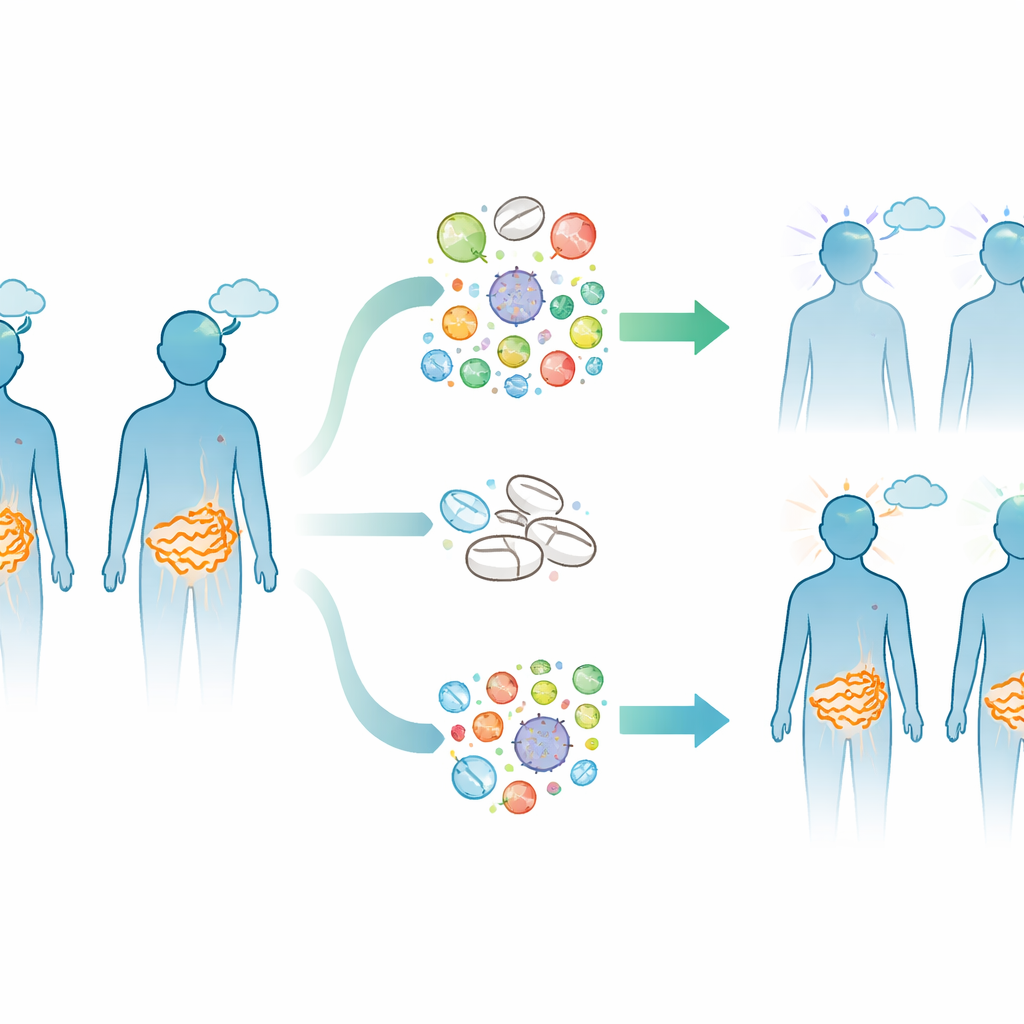
Looking at the gut to help the mind
The research builds on the idea of a gut–brain connection, where microbes living in the intestines may influence mood, immunity, and even brain function. Earlier trials hinted that probiotics could improve constipation and possibly motor and mood symptoms in Parkinson’s disease, and studies in other groups suggested benefits for anxiety. However, anxiety was rarely the main focus, and biological samples were often missing, making it hard to understand how any changes occurred. The authors designed the TAP trial specifically to test whether a multi-strain probiotic could reduce clinically significant anxiety in Parkinson’s disease and to probe possible changes in gut bacteria and inflammation.
How the trial was carried out
Sixty-one adults with Parkinson’s disease and meaningful anxiety symptoms took part in this 12-week, double-blind, placebo-controlled study at a Canadian movement disorders clinic. Participants were randomly assigned to receive either a probiotic powder or a look-alike placebo, both taken twice daily. The probiotic contained nine carefully selected bacterial strains from the Bifidobacterium, Lactobacillus, and Lactococcus families, chosen for prior evidence of safety and possible mental health benefits. Neither participants nor researchers knew who received which product until the study ended. Anxiety was measured with a scale developed specifically for Parkinson’s disease, and the team also tracked depression, thinking ability, movement symptoms, quality of life, bowel function, blood inflammatory markers, and the make-up of gut microbes in stool samples.
What the researchers found
After 12 weeks, anxiety scores improved markedly in both the probiotic and placebo groups, but there was no meaningful difference between them. In other words, taking the probiotic did not reduce anxiety more than taking the inactive powder. Similar patterns appeared for depression and several other symptom scales: people generally felt better over time no matter which product they took. The authors note that strong improvements in placebo groups are common in studies of both Parkinson’s disease and anxiety, likely reflecting a mix of natural symptom changes, close contact with a care team, and people paying more attention to how they feel during a trial.
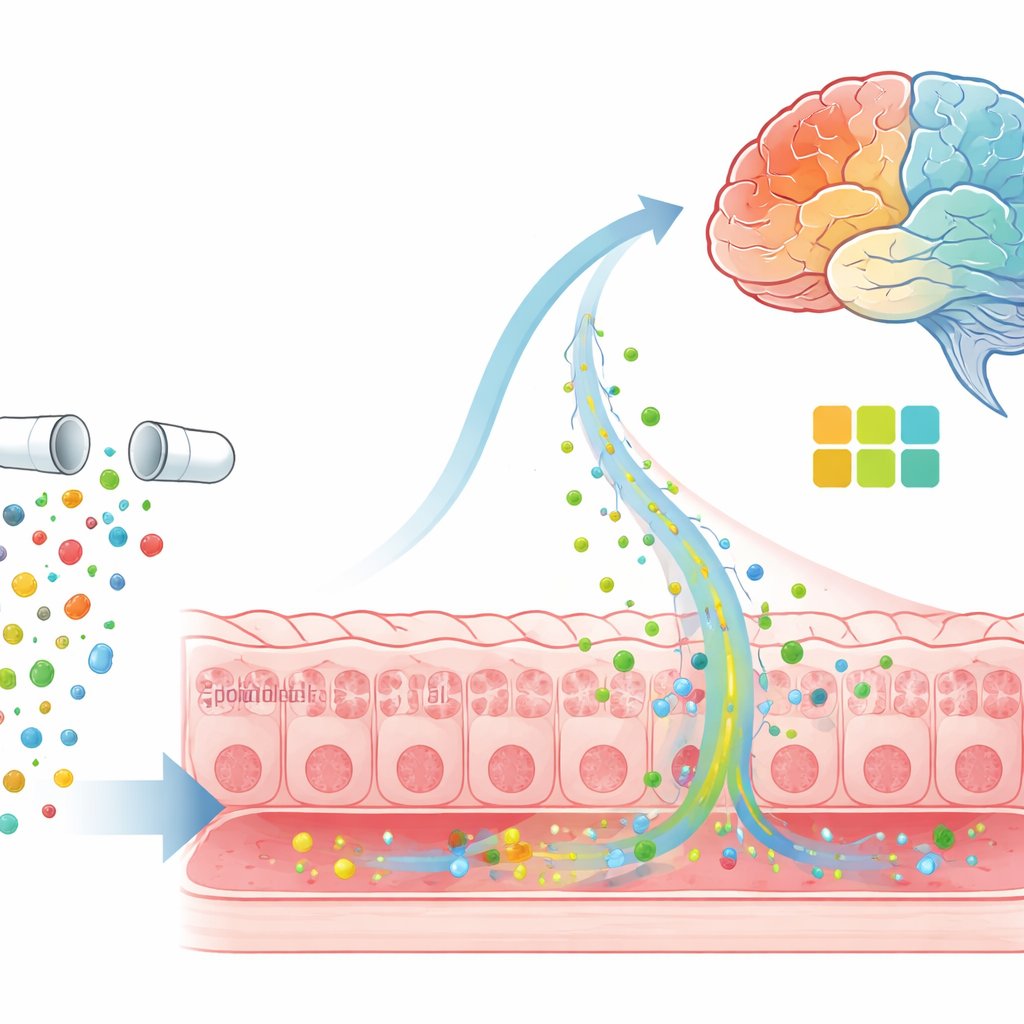
An unexpected signal in thinking skills
Although the probiotic did not outperform placebo for anxiety, it showed a small but statistically significant advantage on a brief test of thinking and memory called the Montreal Cognitive Assessment. On average, scores in the probiotic group rose by about one point more than in the placebo group over the 12 weeks. Detailed breakdowns hinted at broad but modest gains across different thinking domains, though most participants already scored in the normal range at the start. At the same time, stool analyses revealed no large shifts in overall gut microbial diversity, and blood tests showed no clear changes in inflammatory molecules compared with placebo. Only subtle, non-significant increases in some of the probiotic species and related bacteria were seen, consistent with the idea that ingested strains may act through transient or indirect effects rather than permanently reshaping the gut community.
What this means for people with Parkinson’s
For now, this carefully controlled trial suggests that the tested probiotic blend is safe but does not provide extra relief from anxiety beyond the powerful placebo and contextual effects that come with being in a study. The hint of improved thinking ability, however, is intriguing and fits with emerging work linking gut microbes and cognition in aging and brain disorders. The authors argue that larger, longer trials—with more detailed cognitive testing and deeper analysis of gut and blood chemistry—are needed to confirm whether probiotics can meaningfully support brain function in Parkinson’s disease. Until then, probiotics should be viewed not as a proven anxiety treatment, but as a promising tool still under scientific investigation.
Citation: Lam, J.S.T., Tosefsky, K.N., Ainsworth, N.J. et al. Probiotic supplementation for anxiety symptoms in people with Parkinson’s disease: a randomized, double-blind, placebo-controlled trial. npj Parkinsons Dis. 12, 104 (2026). https://doi.org/10.1038/s41531-026-01364-1
Keywords: Parkinson’s disease, probiotics, anxiety, gut microbiome, cognition