Clear Sky Science · en
Comparison of digital splints versus traditional splints for bruxism management: a systematic review
Why Nighttime Teeth Grinding Matters
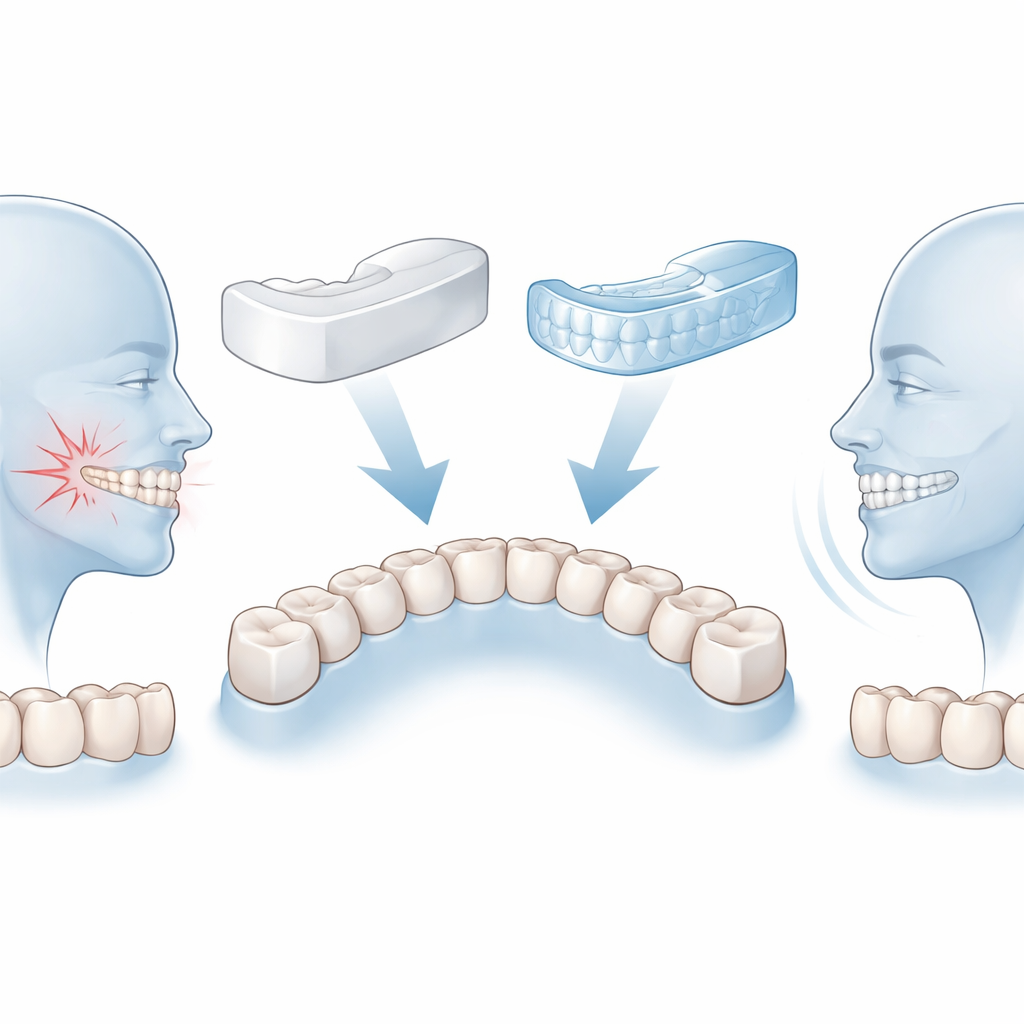
Many people clench or grind their teeth at night without realizing it. This habit, known as bruxism, can wear down teeth, trigger jaw pain and headaches, and disrupt sleep for both the person and their bed partner. Dentists often recommend plastic mouth splints, or “night guards,” to shield teeth from this constant pressure. With digital technologies now reshaping dentistry, a key question has emerged: are new, digitally designed splints actually better than traditional ones made from molds? This systematic review pulls together the best available clinical trials to compare the two approaches head-to-head.
Old Versus New Ways to Protect Teeth
Traditional splints are made by taking gooey impressions of the teeth, pouring stone models, and hand‑crafting a rigid acrylic guard. Digital splints start with a scan of the mouth, then use computer‑aided design and either milling or 3D printing to produce a device, often from stronger modern polymers or ceramics. Some newer versions even embed sensors and biofeedback systems that detect clenching and gently prompt the jaw muscles to relax. Beyond comfort and convenience, the key issue is whether these digital tools do a better job at reducing pain, grinding episodes, and muscle overactivity linked to bruxism.
How the Evidence Was Collected
The authors followed strict international guidelines for systematic reviews, searching multiple medical databases for randomized controlled trials—the gold standard for testing treatments. To be included, studies had to directly compare digital or digitally assisted splints with conventional, hand‑made guards in people diagnosed with bruxism. Eight studies met these criteria. They covered different kinds of digital devices, including computer‑designed guards, 3D‑printed splints, and smart “biofeedback” splints that sense jaw muscle activity during sleep. Outcomes ranged from patient‑reported pain and sleep quality to objective measures such as the number of grinding episodes per hour and electrical activity in the chewing muscles.
What the Studies Found About Relief
Across the trials, both traditional and digital splints generally helped people by reducing jaw pain, protecting teeth, and cutting down on grinding or clenching episodes. However, digital devices tended to show larger improvements. In one study, a wireless biofeedback splint sharply reduced the average number and duration of nighttime grinding episodes compared with a standard occlusal guard. Another trial found that a full‑coverage biofeedback splint led to fewer bruxism events and less pain than an adjusted conventional splint. Measures of sleep quality, such as how restful the night felt, also shifted modestly in favor of the digital side in some studies. Still, not every comparison produced a clear winner, and the small numbers of participants limited how confident researchers could be about the size of these benefits.
How Technology May Change Everyday Care
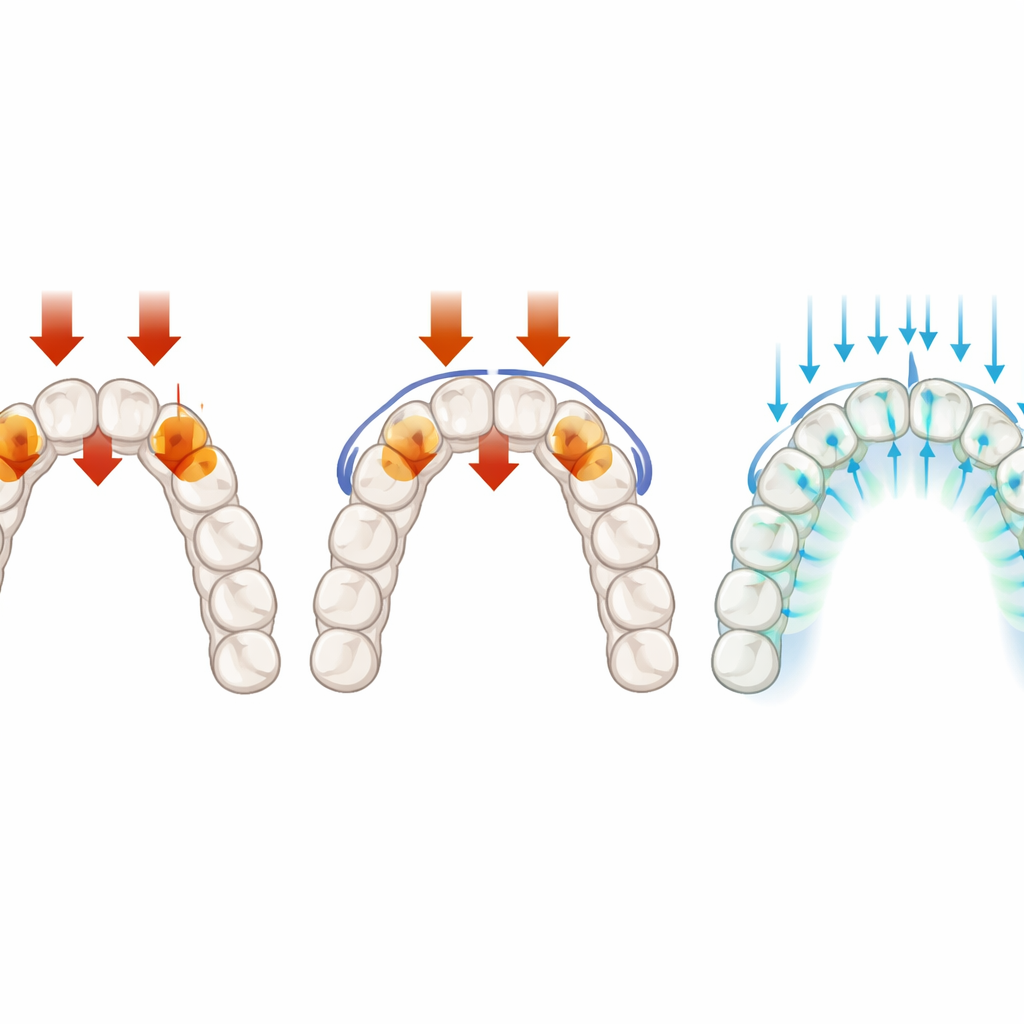
Digital workflows bring additional practical advantages that do not show up directly in pain scores. Computer‑guided designs can create splints that fit more precisely, spread biting forces more evenly, and use tougher materials that wear down more slowly. Because designs are stored digitally, replacements or adjustments can be made without repeating messy impressions. Smart splints that track bite forces or muscle activity can give dentists a clearer picture of how often and how hard a person grinds, helping them fine‑tune treatment over time. Yet these benefits must be weighed against higher costs, the need for specialized equipment, and differences in patient comfort or acceptance.
What This Means for Patients Today
Overall, the review suggests that digital splints may offer an edge over traditional guards in easing bruxism‑related symptoms, but the evidence is not yet strong enough to declare them decisively superior. The trend favors digital devices, especially those that add smart feedback features, but the differences were often too small or the studies too small to reach firm statistical proof. For now, both types of splints remain valid, helpful options to protect teeth and reduce discomfort. As larger, better‑designed studies are completed, we will know more clearly whether investing in digital technology truly pays off in everyday relief for people who grind their teeth.
Citation: Saini, R.S., Kaur, K., Mosaddad, S.A. et al. Comparison of digital splints versus traditional splints for bruxism management: a systematic review. BDJ Open 12, 48 (2026). https://doi.org/10.1038/s41405-026-00438-9
Keywords: bruxism, occlusal splints, digital dentistry, night guards, sleep-related jaw pain