Clear Sky Science · en
Employment status and barriers to workforce participation among individuals with spinal cord injury: results from the Turkish InSCI Community Survey
Work and Life After Spinal Cord Injury
Many people with spinal cord injuries want to work, not only for income but also for purpose, social contact, and independence. Yet turning that wish into reality can be very hard. This study looks at how often people with spinal cord injuries in Turkey are employed, what helps them find and keep jobs, and what stands in their way. The results shed light on how health, education, transport, and social systems shape everyday life long after the original injury.
Who Took Part in the Study
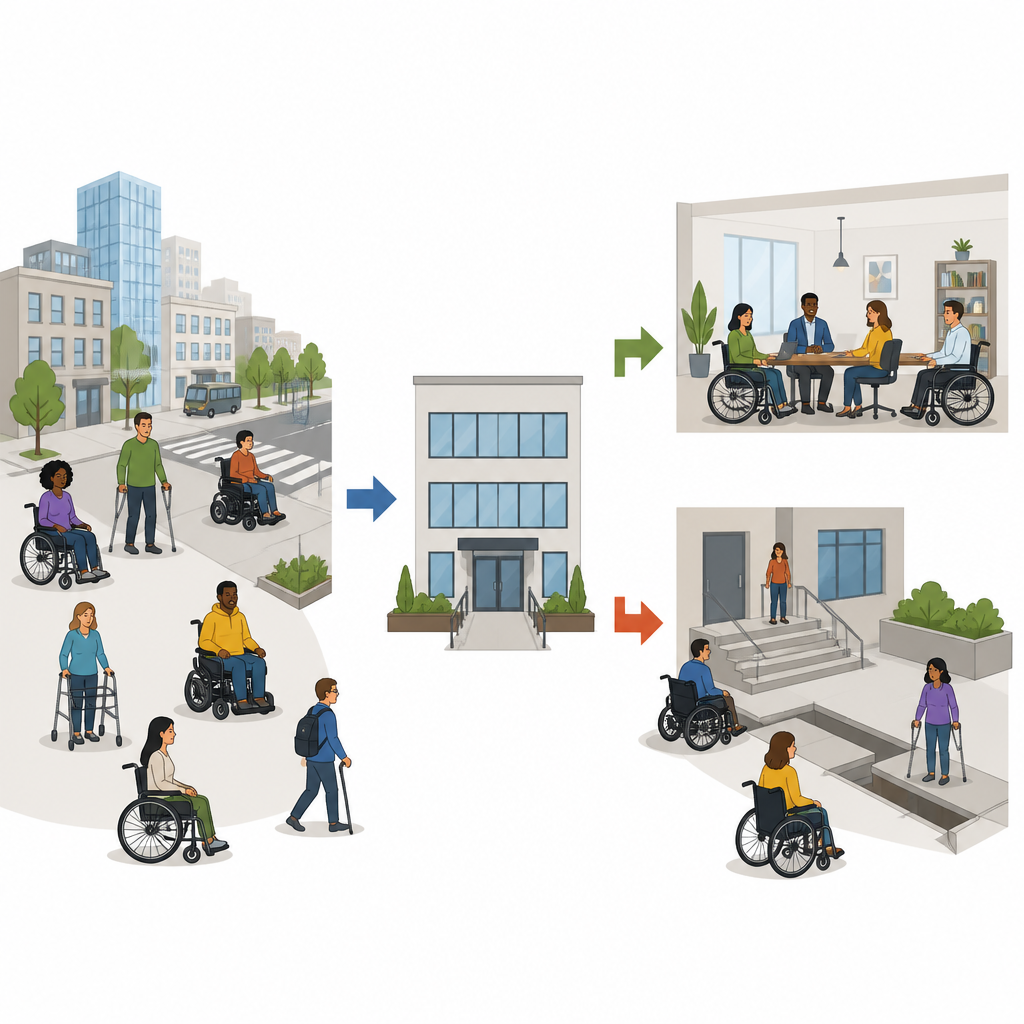
The researchers surveyed 357 adults with spinal cord injuries living in communities across Turkey, all between 18 and 65 years old. Most were middle aged, and about seven in ten were men. Many had paralysis of the legs, and most injuries were caused by events such as traffic crashes, falls, or work accidents. More than half of the group had worked before their injury, but fewer than one in seven were in paid work at the time of the survey, even though most reported incomes above the legal minimum wage and many received disability pensions.
How the Survey Was Done
The team used a standard international questionnaire designed to capture the daily realities of people with spinal cord injuries in different countries. Participants answered questions about their age, schooling, type and duration of injury, work history, and current job status. They were also asked about use of vocational rehabilitation services, satisfaction with income, and whether they had the tools and support they needed at work. Those not working chose from a list of reasons that best described why they were out of the labor force, covering health, transport, job availability, and family or financial issues.
What Helped and What Hurt Job Prospects
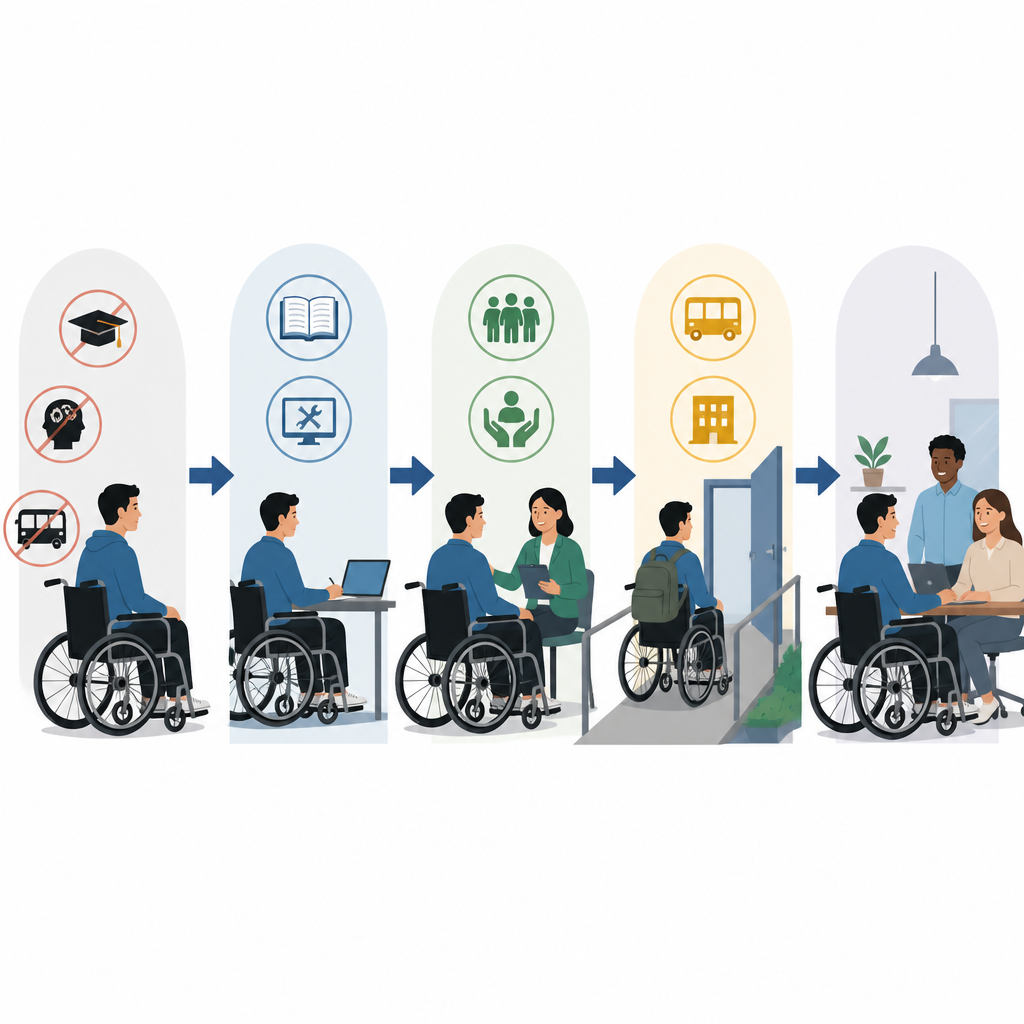
The picture that emerged was of a strong desire to work but limited opportunity. Only 12.9 percent of participants held a paid job, while nearly 60 percent of those not working said they would like to be employed. People who were working tended to have more years of education, including additional schooling after their injury, and had been living with their injury for a longer time, suggesting that skills, experience, and adjustment over the years all matter. Taking part in vocational rehabilitation, which can include career guidance and job search support, was also linked with higher employment. Interestingly, the medical details of the injury itself, such as whether it affected only the legs or also the arms, did not clearly separate those who worked from those who did not.
Barriers Beyond the Injury
When asked why they were not working, the majority pointed first to their health condition or disability, but many also named obstacles that society could change. About one in five said they could not find a suitable job, and substantial numbers cited poor transport, lack of access to workplaces, or not knowing how and where to search for jobs. Only a small share openly mentioned fear of losing disability benefits, but the authors note this concern may be underreported. Among those who did have jobs, just over half were happy with their pay, and many felt their contributions were recognized, yet a large minority still lacked some of the equipment they needed at work.
What the Findings Mean
The study suggests that low employment among people with spinal cord injuries in Turkey is not simply a matter of personal health. Education opportunities, access to vocational rehabilitation, reliable transport, and workplace accessibility all play central roles in determining who can take part in the workforce. Policies that support further schooling after injury, expand tailored job services, improve public transport and building access, and allow people to work without risking vital benefits could narrow the gap between the wish to work and real job chances. In turn, better access to decent work may boost both income and quality of life for this often overlooked group.
Citation: Erhan, B., Dogruoz Karatekin, B., Gumussu, K. et al. Employment status and barriers to workforce participation among individuals with spinal cord injury: results from the Turkish InSCI Community Survey. Spinal Cord 64, 479–485 (2026). https://doi.org/10.1038/s41393-026-01194-1
Keywords: spinal cord injury, employment, vocational rehabilitation, disability barriers, Turkey