Clear Sky Science · en
The pace of life is not getting faster
Why Our Days May Not Be Getting Crazier
Many of us feel like life is racing by: constant notifications, faster technology, and the sense that we’re always behind. This article asks a surprising question: is daily life really speeding up, or is that just how it feels from the inside? By digging into large national surveys about how people actually spend their time, the author shows that in recent years everyday life in the United States—and in some parts of Europe—has quietly been slowing down rather than revving up.
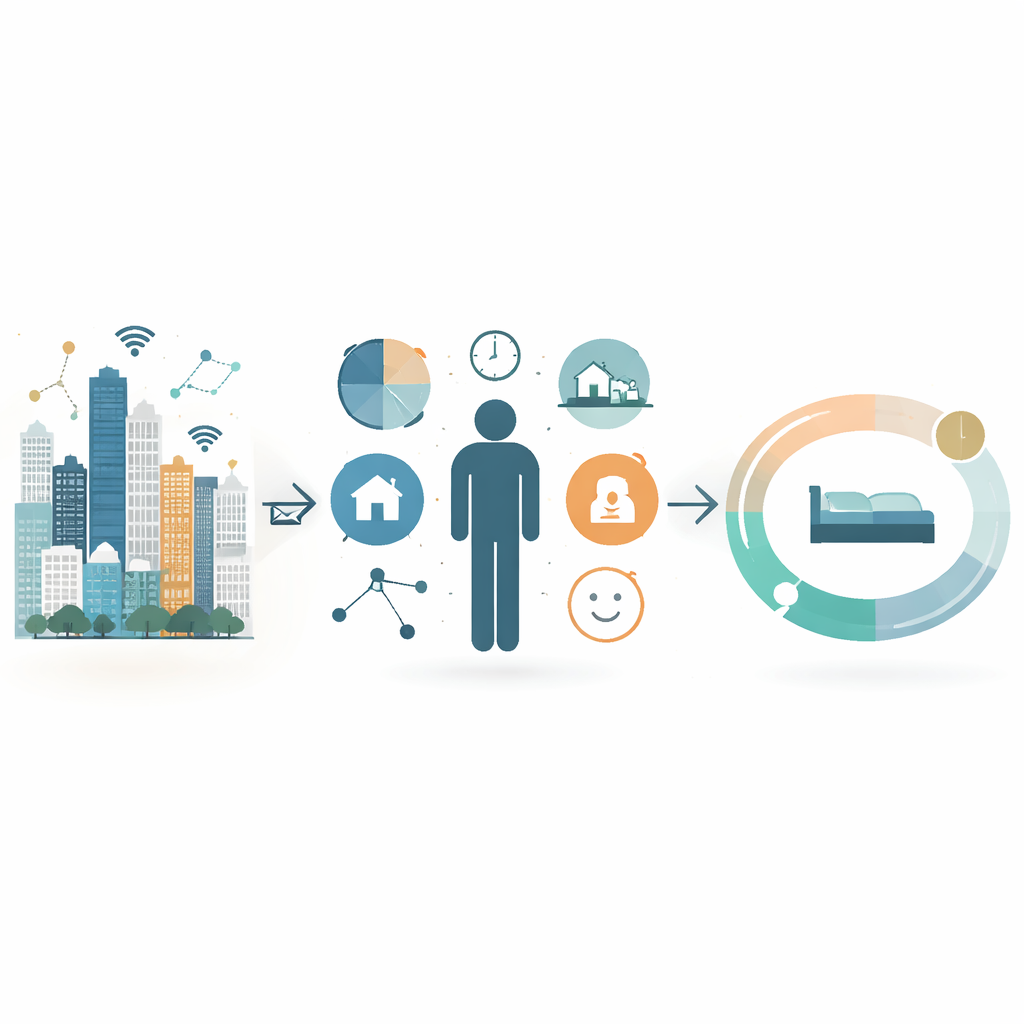
Looking Closely at How People Spend Their Time
To move beyond anecdotes, the study looks at detailed “time‑use diaries” from hundreds of thousands of people. In these surveys, participants recount everything they did in a 24‑hour period, where they were, and for how long. From these records, the author built several simple yardsticks for the pace of life: how many different kinds of activities people fit into a day, how often they switch locations, how chopped up their time is, and how much they sleep. He paired these objective records with survey questions about how rushed people feel, creating a picture that combines actual behavior with lived experience.
Evidence That Life Has Eased Off the Gas
Contrary to the common story of nonstop acceleration, the U.S. data from 2003 to 2019 point to a mild but clear slowdown. People now cram fewer different activities into a typical day, move between places less often, and spend longer stretches on whatever they are doing. At the same time, average sleep has increased. These shifts show up not just for one group but across genders, parents and non‑parents, and most age brackets. Teenagers and working‑age adults in particular show fewer activity switches and more sleep, while older adults’ routines change less. Parallel opinion surveys tell the same story from the inside: the share of Americans who say they “always” feel rushed has fallen, and more people now report rarely feeling rushed at all.
How the Internet Can Make Days Feel Slower
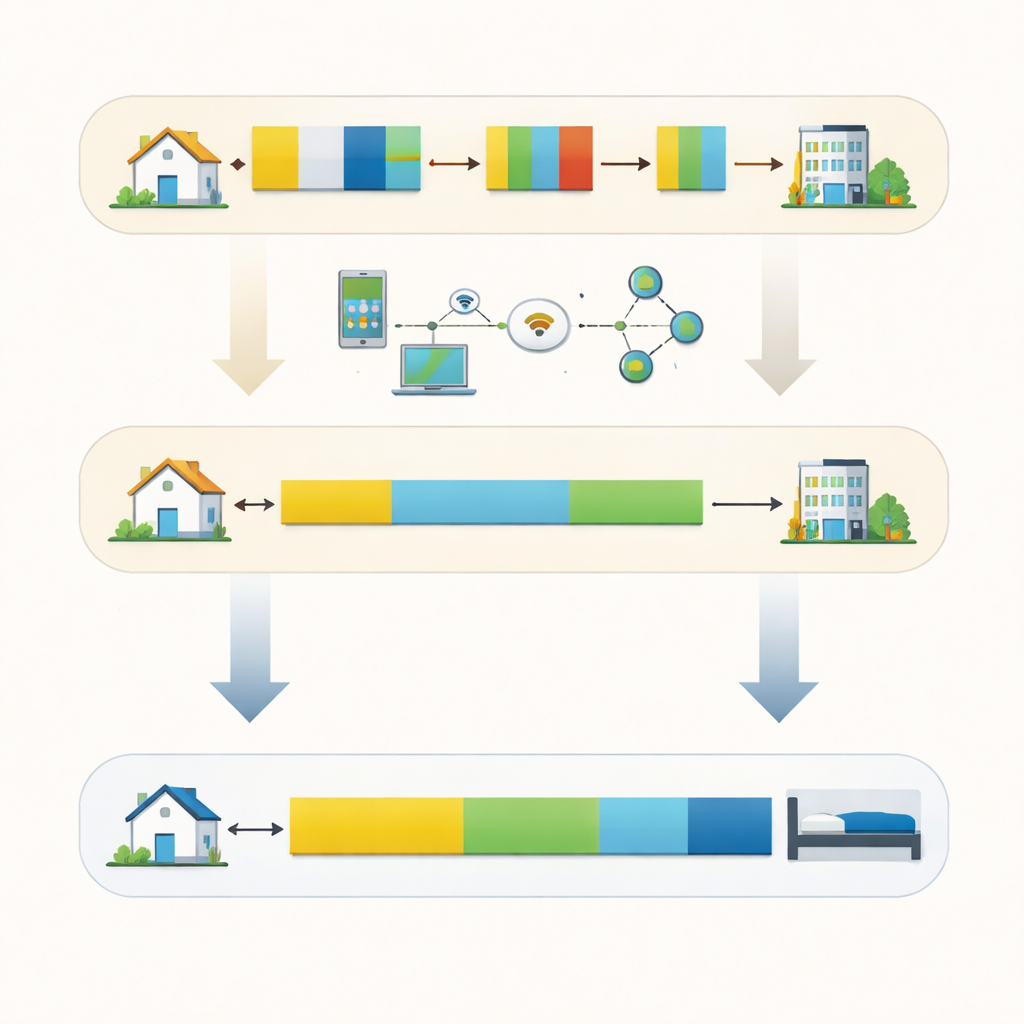
One of the most striking findings concerns home internet access. Many fear that being constantly connected only speeds everything up. Yet, when the author linked time‑diary data with information about who had internet at home, a different pattern emerged. People in wired households tended to see bigger drops in the number of activities they juggled and in how often they traveled from place to place; they also gained more sleep. In other words, for many families, online tools seem to replace errands and allow tasks to be bundled more efficiently, leading to calmer, less fragmented days. Those without home internet, especially higher‑income households, were more likely to see their days stay hectic or even become more scattered.
Different Countries, Different Tempos
The study then steps back to examine other countries using comparable time‑use and workplace surveys. The picture outside the U.S. is mixed. In some nations, especially during the 2000s, everyday routines did speed up somewhat. But when Europeans were asked over a longer period whether they felt they worked “at very high speed,” the overall average edged downward. Several wealthy Western and Northern European countries with strong social protections—such as Austria, Germany, and the Nordic nations—showed clear declines in perceived work speed. Meanwhile, some Eastern European countries undergoing rapid economic change reported rising work intensity. These contrasts suggest that national policies, labor markets, and cultural norms shape how technological change translates into daily tempo.
Rethinking the Story of a Runaway World
Putting these threads together, the article argues that faster technology and social change do not automatically force people into ever‑faster lives. Human limits, our desire for balance, and shifts in workplace and family expectations can act as brakes. Tools like the internet can free up time by cutting down on trips and streamlining tasks, and many people appear to be using those gains to sleep more and spread activities out rather than to pile even more into each day. The study does not deny that some groups remain extremely busy or that stress is real; instead, it shows that the widespread belief in a uniformly accelerating pace of life does not match the best available evidence. For many, the 21st century has brought a slightly slower, more consolidated way of living—even if the story we tell ourselves has yet to catch up.
Citation: Aeon, B. The pace of life is not getting faster. Humanit Soc Sci Commun 13, 504 (2026). https://doi.org/10.1057/s41599-026-06740-z
Keywords: pace of life, time use, internet and daily life, work-life balance, social acceleration