Clear Sky Science · en
The impact of population mobility on the consumption of cultural diversity: evidence from high-speed rail construction and automobile consumption
Fast Trains, New Tastes
When a new high-speed rail line connects cities, it does more than move people faster. It also moves ideas, habits, and styles. This study asks a surprisingly down-to-earth question: as fast trains criss-cross China, do they quietly change what kinds of cars people buy—especially the mix of brands and colors on the road? By tracking rail openings and car purchases across hundreds of cities, the authors show how big transport projects can reshape everyday consumer choices in subtle but powerful ways.
Why Movement Changes What We Buy
High-speed rail shrinks distances between cities, making it easier for people to travel for work, tourism, shopping, and visiting family. As residents move back and forth, they bring along their customs, preferences, and ways of expressing themselves. Over time, this traffic turns once-isolated cities into more mixed cultural spaces. In such settings, people are more exposed to unfamiliar products and styles, and they feel freer to choose items that reflect their individuality. The authors argue that this growing mix of cultures should show up in what people buy, and they focus on cars as a clear, measurable example.
Tracking Trains and Car Choices
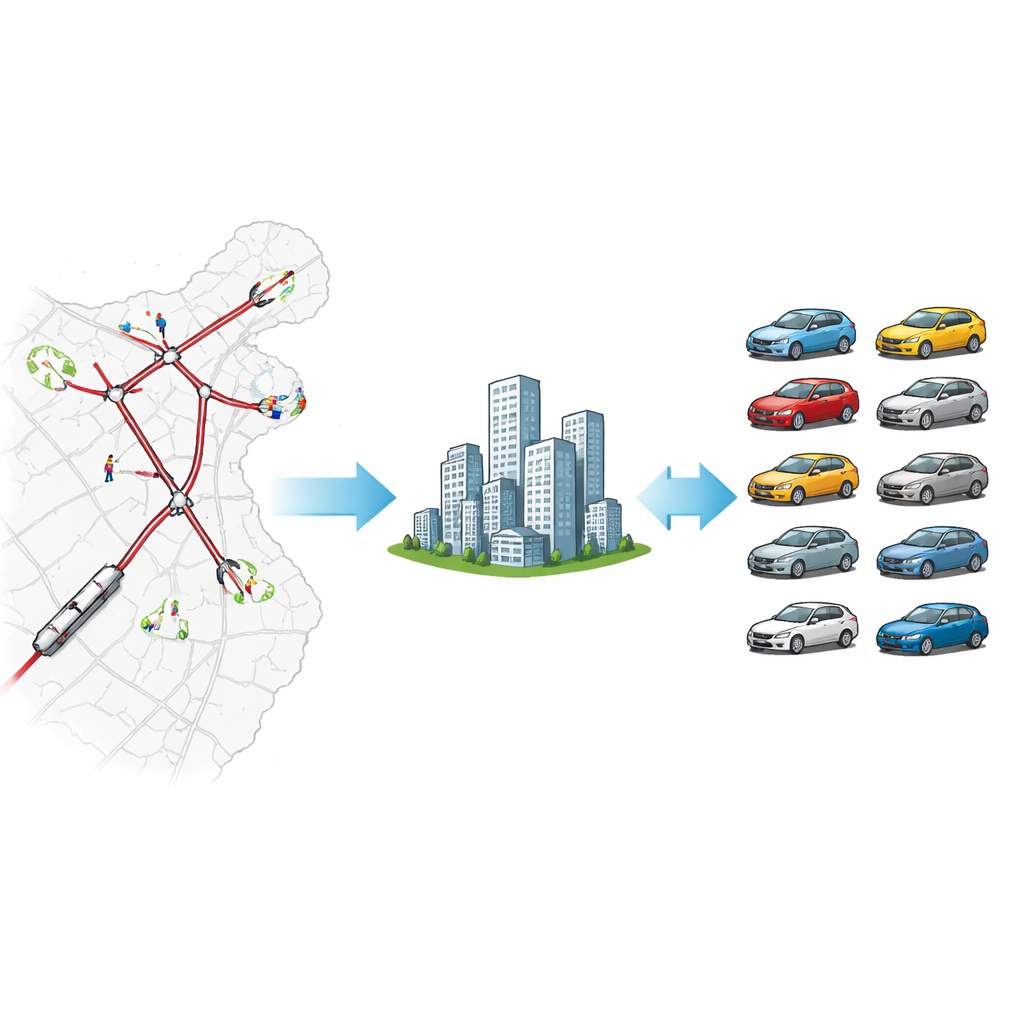
To test this idea, the researchers compiled data from 260 Chinese cities between 2007 and 2015, a period when the country’s high-speed rail network expanded at remarkable speed. They combined detailed records on when each city first gained a high-speed rail station with monthly data on newly registered private passenger cars—what brand they were and what color. From this, they built indicators of how diverse each city’s car market was: did sales concentrate on a few familiar brands and colors, or were they spread across many different options? Using a statistical approach known as difference-in-differences, they compared how this diversity evolved in cities before and after rail arrived, against similar cities that remained unconnected.
From Mixed Cultures to Mixed Car Markets
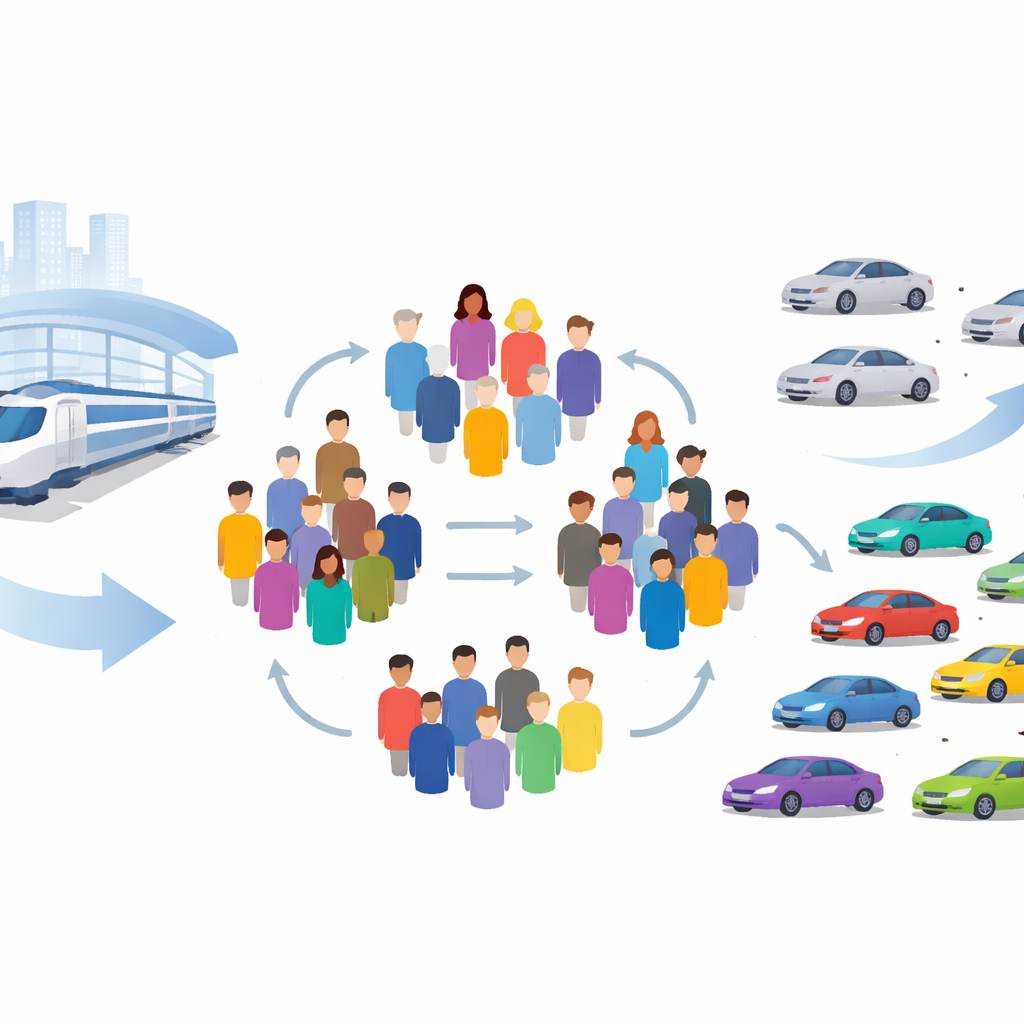
The results show a clear pattern: once high-speed rail opened, cities tended to see a broader mix of car brands and a richer palette of car colors. The effect is not just a fluke of the data. It holds up under many checks, including alternative samples, matching similar cities carefully, and using geography-based instruments to account for the fact that wealthier places are more likely to get rail lines. Crucially, the authors also measure cultural diversity directly, using information on where city workers originally came from. They find that rail connections increase the variety of origins in a city’s workforce, and that this cultural mix, in turn, helps explain the jump in car-brand and color diversity. In other words, more people from different backgrounds means more openness to varied products.
How City Links Shape the Effect
The strength of this pattern depends on how tightly a city is tied into the rail network. Cities with more high-speed rail stations—which allow easier, more frequent travel—show stronger gains in car-market diversity after rail arrives. This suggests that it is not just the presence of a single fast train line that matters, but the overall ease of moving between cities. At the same time, the study finds little evidence that smaller cities simply imitate the car tastes of big provincial capitals. Instead of everyone converging on the same few popular models, the overall trend is toward richer variety, consistent with people seeking unique styles in a more open, multicultural environment.
What It All Means for Daily Life
To a non-specialist, the message is straightforward: when fast trains connect cities, they do more than boost jobs and business—they also widen the menu of everyday choices. By bringing different kinds of people into closer contact, high-speed rail encourages residents to experiment with new brands and bolder colors, at least in the cars they drive. This study shows that major infrastructure projects can quietly make our streets more colorful and our consumer lives more varied, reminding policymakers that transport investments shape culture and lifestyle as much as they shape the economy.
Citation: Yuan, L., Fan, X. The impact of population mobility on the consumption of cultural diversity: evidence from high-speed rail construction and automobile consumption. Humanit Soc Sci Commun 13, 434 (2026). https://doi.org/10.1057/s41599-026-06675-5
Keywords: high-speed rail, cultural diversity, consumer behavior, automobile markets, urban mobility