Clear Sky Science · en
Utilizing big data analytics in the selection and testing of journal entries and its impact on professional skepticism
Why this matters for trust in financial numbers
When companies publish their financial statements, investors, employees, and the public assume the numbers are honest. Yet some of the biggest frauds in recent years have come from subtle manipulations of accounting entries buried deep inside huge databases. This article explores how auditors are starting to use big data tools to scan those oceans of entries more effectively—and asks a crucial question: do these powerful technologies make auditors more alert, or do they tempt them to trust the computer too much?
Looking for trouble in everyday bookkeeping
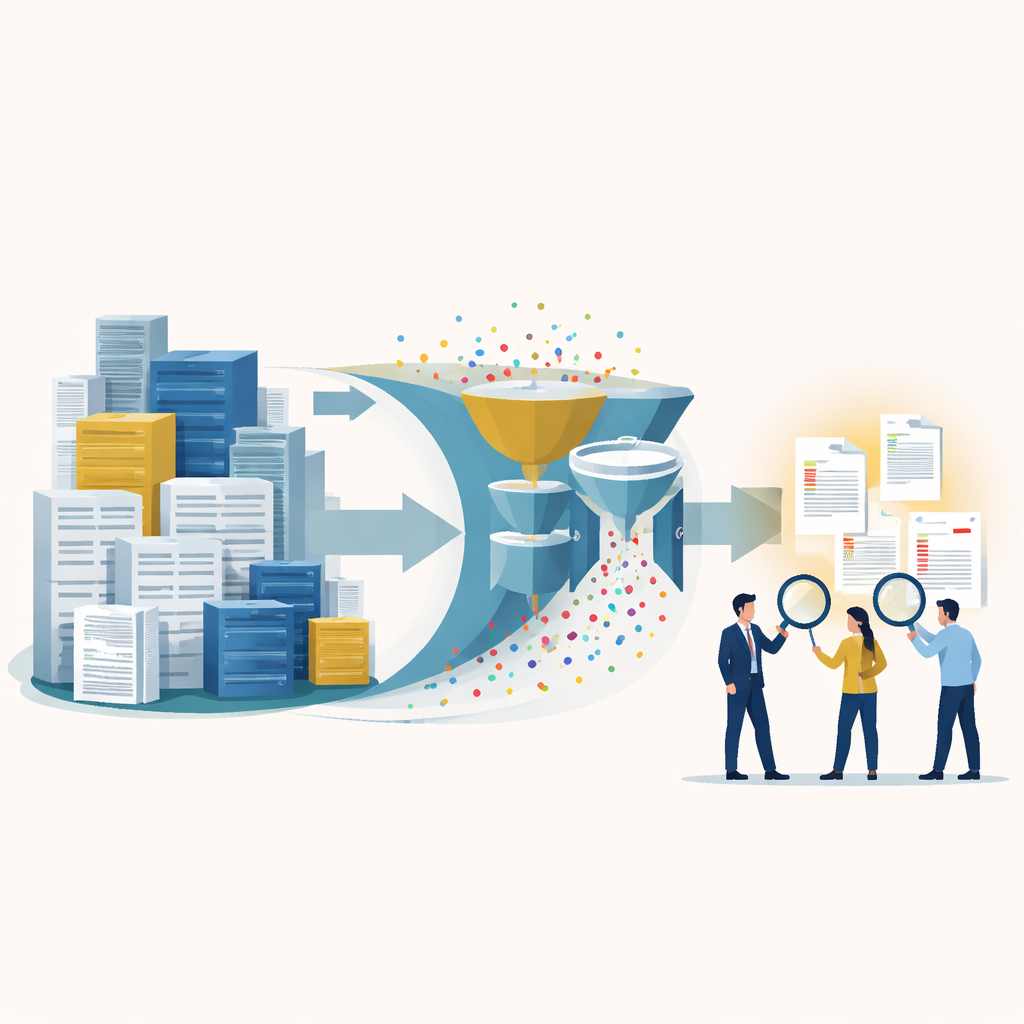
At the heart of any audit are journal entries—the basic records of money moving in and out of a business. Fraudsters often exploit these records to hide losses or inflate profits, sometimes by overriding normal controls. International audit rules therefore require auditors to test these entries with a skeptical eye. Traditionally, that meant checking small samples by hand. In an era of massive, complex data sets, however, this selective approach can miss cleverly disguised problems. The authors argue that big data analytics can transform this task by examining entire populations of entries, spotting unusual patterns that would be invisible to manual review.
How big data tools change the audit day-to-day
The study draws on in-depth interviews with nine senior auditors from Big Four firms working in Palestine, a market that is integrating global audit practices under challenging conditions. These auditors describe big data tools that pull in millions of accounting records, sort them according to risk, and highlight odd-looking transactions. Instead of starting with a handful of entries chosen by intuition, teams can now see the full landscape of activity, zooming in on items that look out of place by amount, timing, source system, or combination of factors. This “data-first” view, they report, not only speeds up work but also gives a richer picture of how a client’s business really operates.
People, training, and teamwork behind the screens
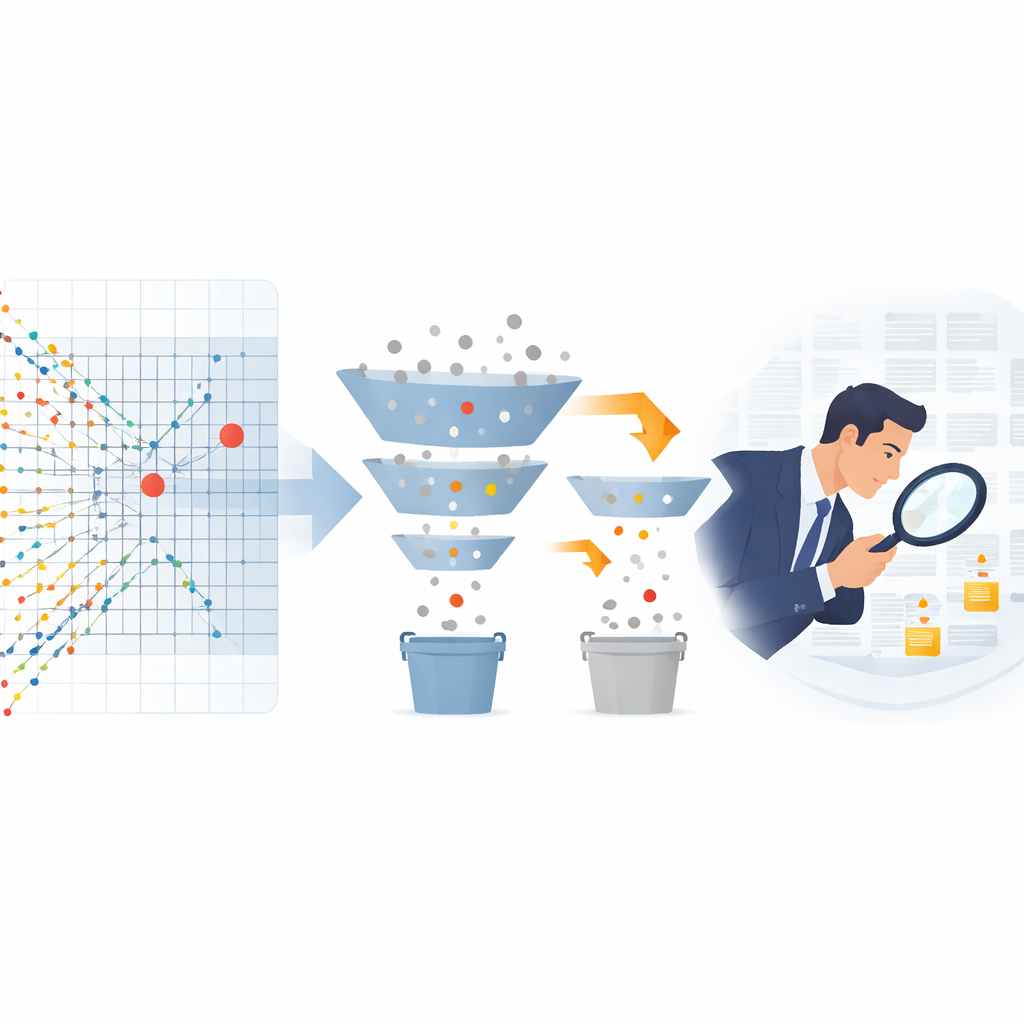
Despite the sophisticated software, the auditors emphasize that human skills and relationships remain central. They describe regular training sessions that go beyond button-clicking to focus on how to interpret strange patterns, challenge false alarms, and connect data signals to real-world business risks. Team meetings and joint planning sessions are used to brainstorm where management might be tempted to bend the rules—such as estimates and provisions—and then to design analytics that probe those areas. Senior partners and directors are closely involved, reviewing the electronic working papers, questioning the choices of filters and thresholds, and making sure staff do not treat computer outputs as unquestionable truth.
The double edge of smart machines
The interviews also surface clear worries. Because analytics tools can automatically produce clean-looking reports and dashboards, there is a danger that auditors might accept them at face value, assuming that if the system flags nothing, no problem exists. Participants warn that this kind of over-reliance could dull professional skepticism and allow serious misstatements to go unnoticed. Regulators and internal quality reviewers are already pressing firms to avoid a “checklist mentality” and to show how they have used data tools in a genuinely risk-focused, questioning way. Yet current auditing standards give little concrete guidance on how to combine advanced analytics with the duty to doubt and verify.
What the study says in plain terms
In simple terms, the article concludes that big data analytics can be a powerful ally for honest audits if—and only if—auditors stay firmly in charge. These tools help them sift vast volumes of entries, zero in on risky areas, and better understand how a company really makes and records money. But they also introduce new behavioral traps: it becomes easier to trust the machine than to ask awkward questions. To keep skepticism alive, firms need strong training, open team discussion, active leadership oversight, and clearer rules from standard-setters and regulators. Technology, the authors suggest, should sharpen the auditor’s critical eye, not replace it.
Citation: Abu Al Rob, M.A., Mohd Nor, M.N. & Salleh, Z. Utilizing big data analytics in the selection and testing of journal entries and its impact on professional skepticism. Humanit Soc Sci Commun 13, 553 (2026). https://doi.org/10.1057/s41599-026-06626-0
Keywords: big data analytics, auditing, financial fraud, professional skepticism, journal entry testing