Clear Sky Science · en
Pulse pressure associates with severity and worse outcomes in patients with stable coronary artery disease
Why the space between blood pressure numbers matters
When doctors take your blood pressure, you usually hear two numbers, like 120 over 80. Most of us focus on the top number, but the gap between them – called pulse pressure – may tell an important story about the health of your heart and brain. This study followed more than seven thousand people with stable coronary artery disease to see whether a wider gap between those two numbers signals more serious artery damage and a higher risk of future strokes and other heart-related problems.
Looking closely at people with blocked heart arteries
The researchers focused on Chinese patients who all had proven narrowings in the heart’s arteries found by angiography, but whose heart pumping function was still normal and whose blood pressure, on average, was reasonably well controlled. These were not emergency heart attack cases, but people living with long-term, stable coronary artery disease. Over about three years, doctors tracked who went on to have cardiovascular deaths, heart attacks, or strokes, while also carefully examining how wide each person’s pulse pressure was at the start of the study.
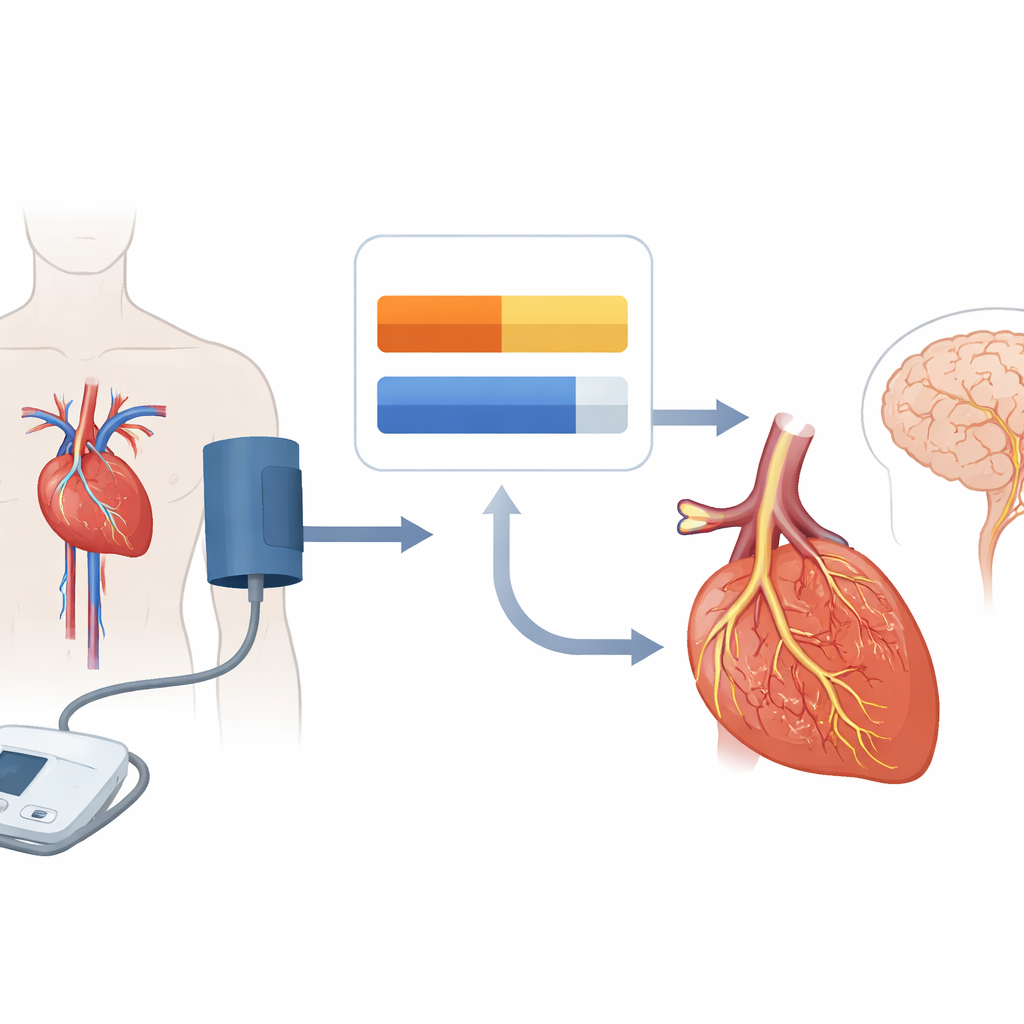
Wider pressure gaps linked to more severe artery damage
When the team sorted participants into groups from lowest to highest pulse pressure, a clear pattern emerged. People in the higher pulse pressure groups tended to be older and more likely to have high blood pressure, diabetes, and a previous stroke. Their heart arteries also looked worse: they more often had serious narrowings in three major vessels rather than just one. A detailed scoring system, which adds up how many narrowings there are and how tight they are, rose steadily as pulse pressure increased. This meant that a wider gap between the top and bottom blood pressure numbers went hand in hand with more extensive coronary artery disease.
Pressure gap as a warning sign for future strokes
The investigators then asked whether pulse pressure could help predict who would later suffer major cardiovascular events. Before adjusting for other factors, both the usual top blood pressure number (systolic pressure) and pulse pressure were tied to a higher chance of cardiovascular death, stroke, and a combined measure of all events. But after accounting for age, sex, smoking, diabetes, cholesterol, medications, and other details, pulse pressure stood out. Each rise in pulse pressure was still clearly linked to more strokes and to the combined outcome of stroke, heart attack, or cardiovascular death. Systolic pressure, in contrast, was only linked to stroke and no longer predicted the overall combined risk once everything else was taken into account.
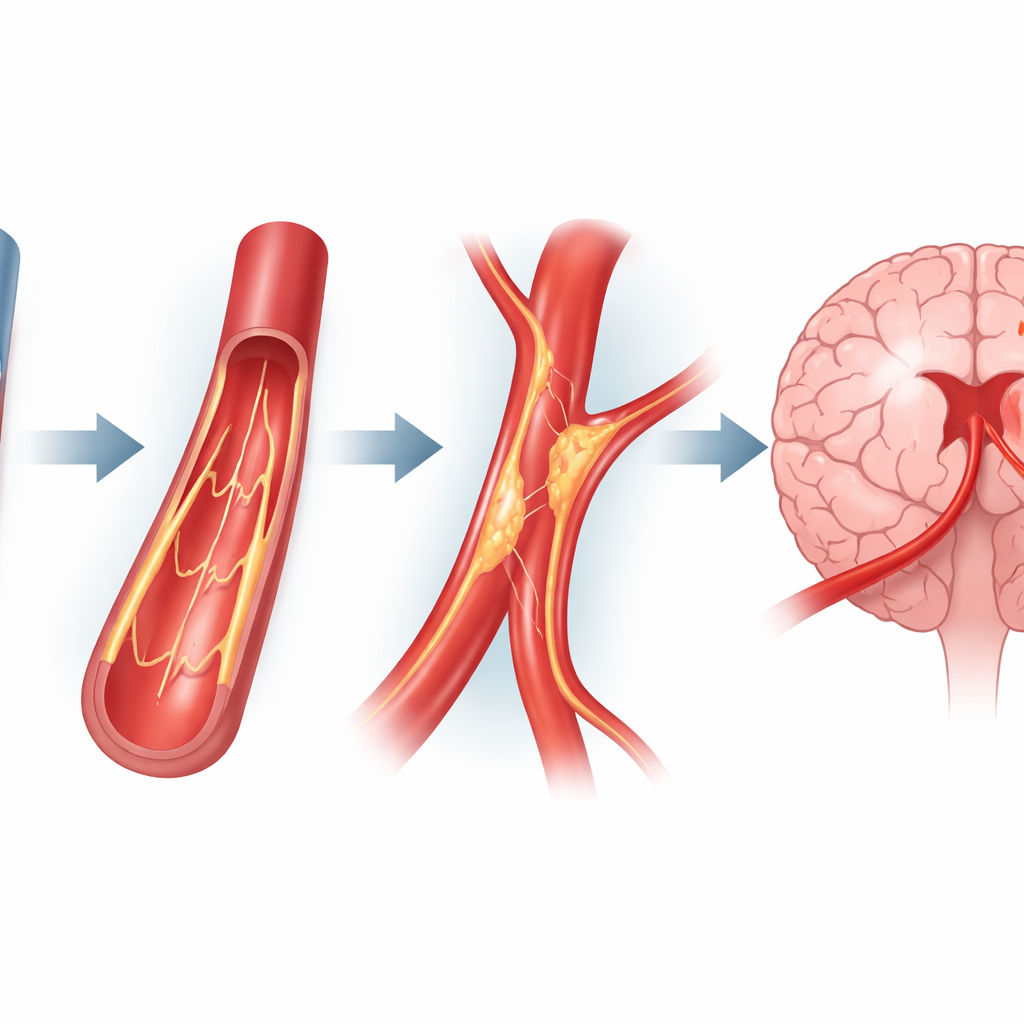
Those with the widest gaps fared the worst over time
Looking at pulse pressure in four bands from lowest to highest, the people in the top group had the poorest event-free survival over the years of follow-up. They were roughly twice as likely to experience a stroke or one of the combined bad outcomes as those in the lowest group, even after statistical adjustments. Interestingly, pulse pressure did not clearly predict nonfatal heart attacks on its own, suggesting that the extra strain from strong pressure pulses may be especially harmful to the brain’s delicate blood vessels and to overall cardiovascular health, rather than to heart attacks alone.
What this means for everyday care
For people already living with coronary artery disease, this research suggests that the gap between the top and bottom blood pressure numbers is more than a curiosity on the clinic printout. A wider pulse pressure seems to mark stiffer, more damaged arteries and points to a greater chance of stroke and other serious events, even when standard risk factors and treatments are taken into account. For patients and clinicians alike, paying attention not only to how high the top number is, but also to how far it sits above the bottom number, may offer a simple, low-cost way to refine risk estimates and guide blood pressure management in everyday practice.
Citation: Zhang, Y., Li, S., Zhang, HW. et al. Pulse pressure associates with severity and worse outcomes in patients with stable coronary artery disease. npj Cardiovasc Health 3, 24 (2026). https://doi.org/10.1038/s44325-026-00118-5
Keywords: pulse pressure, coronary artery disease, stroke risk, arterial stiffness, blood pressure