Clear Sky Science · en
Effect of oliceridine on hypoxia during sedated hysteroscopy: a Phase 4 randomized clinical trial
Why this matters for everyday patients
Many women undergo brief womb procedures to diagnose or treat common problems such as heavy bleeding or polyps. These procedures, called hysteroscopies, are usually done under light sleep using pain and sleep medicines. While this approach avoids full anesthesia, it can cause breathing to slow down, leading to low oxygen levels that may be risky. This study tested whether a newer pain medicine called oliceridine could make this kind of sedation safer than a commonly used opioid drug.
The problem of low oxygen during light sleep
Hysteroscopy lets doctors look directly inside the uterus with a tiny camera to find and treat problems without major surgery. Because the procedure is short, many centers use a mix of a strong painkiller and the sleep drug propofol instead of putting patients fully under. However, traditional opioids can slow breathing and cause episodes where blood oxygen drops, sometimes in more than one in five patients. Even short spells of low oxygen can strain the heart, brain, and other organs, so doctors are looking for pain medicines that are easier on breathing while still keeping patients comfortable.
Testing a newer pain medicine head to head
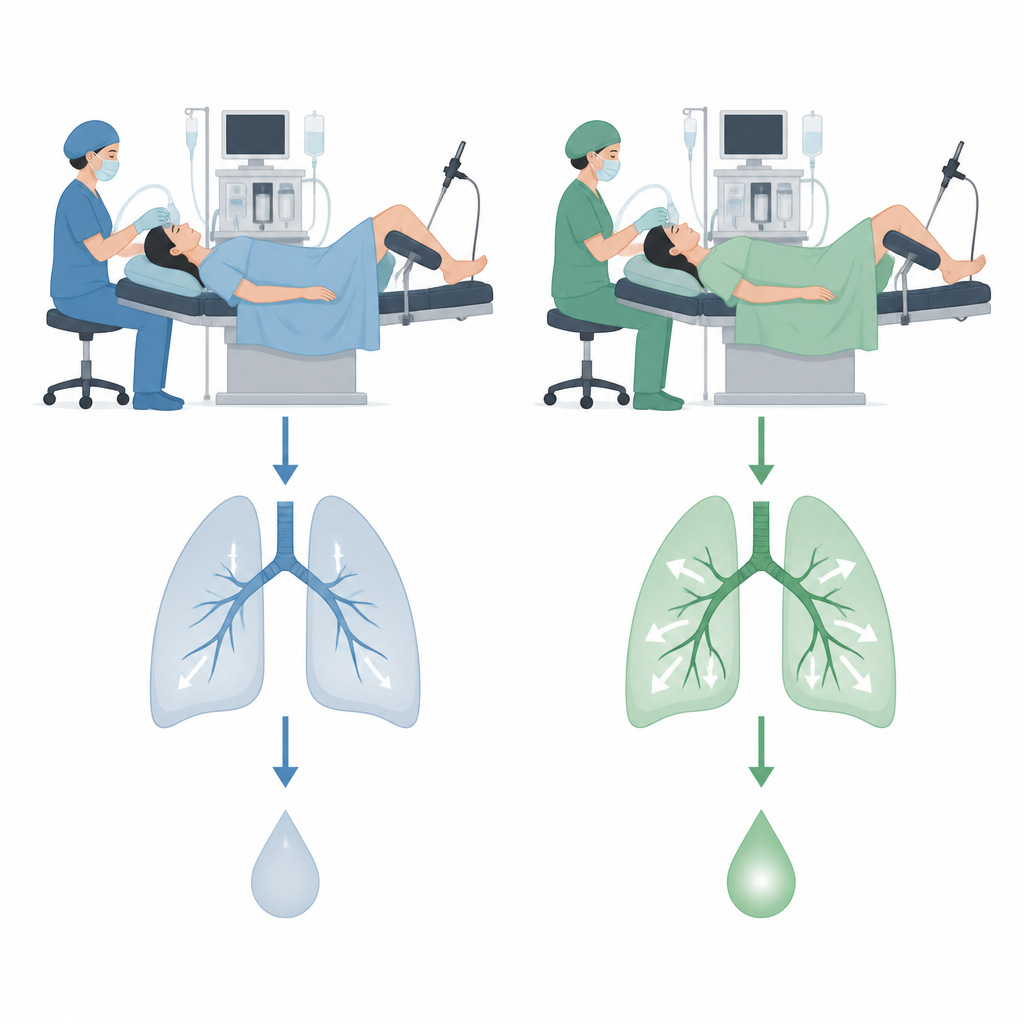
To explore a safer option, researchers in Shanghai ran a careful randomized trial in women aged 18 to 65 having planned hysteroscopic surgery. Nearly 500 patients were randomly assigned to receive either the standard opioid sufentanil or the newer drug oliceridine, and both groups also received propofol. Neither the patients nor the doctors giving and assessing the drugs knew who got which medicine. All patients were given oxygen by mask, closely monitored for oxygen levels and breathing, and treated immediately if any problems appeared. The main question was how often patients in each group developed low oxygen during the procedure.
Fewer dips in oxygen and less extra drug
The results showed a clear difference. In the sufentanil group, about one in five patients had at least one spell of low oxygen during the procedure. In the oliceridine group, that figure was cut in half, to about one in ten. Patients who received oliceridine also tended to keep slightly higher minimum oxygen levels overall. Anesthesiologists needed to step in with breathing support, such as jaw lifts or mask ventilation, less often in the oliceridine group. Interestingly, these patients also needed a bit less total propofol to stay comfortably asleep, suggesting that the newer medicine worked well enough on pain that deeper sedation was not required as often.
Recovery, side effects, and comfort
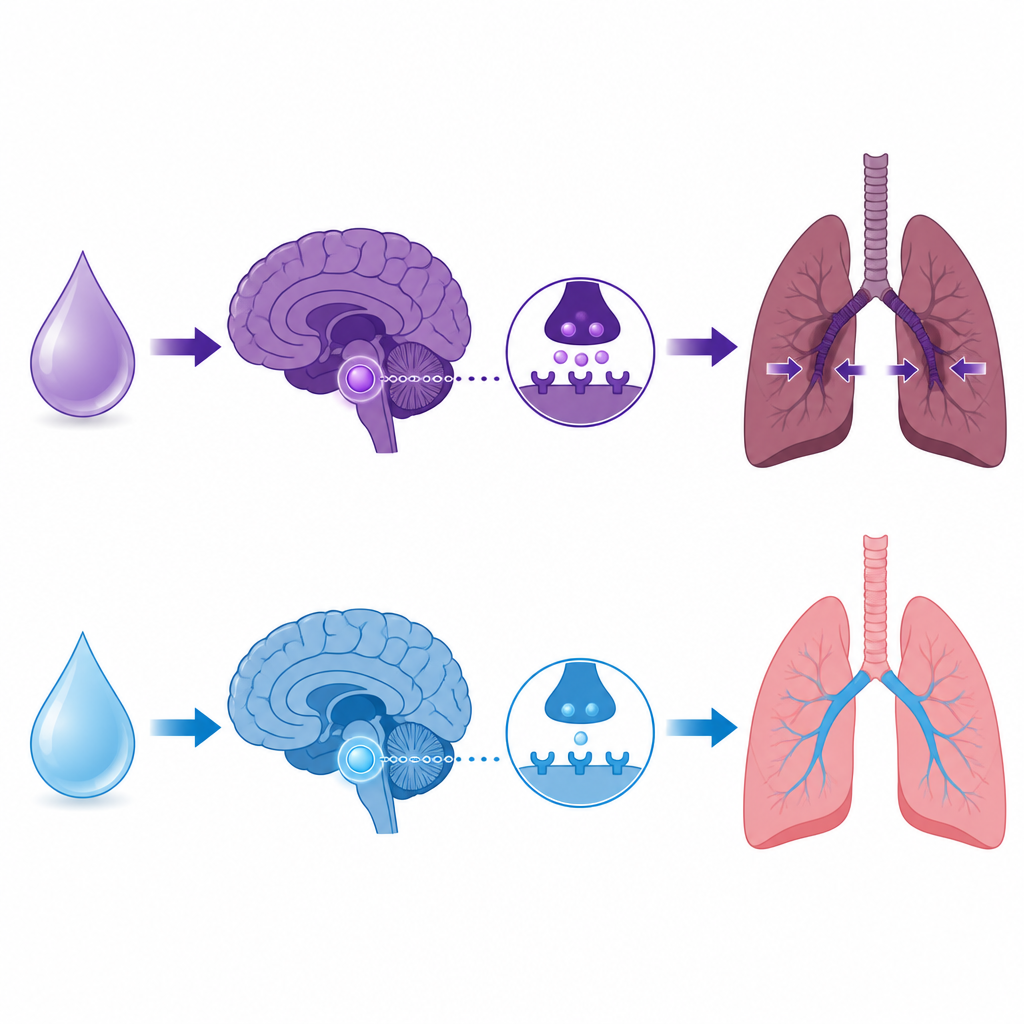
After surgery, patients were observed in the recovery area, where blood tests and symptom checks were done. Measures of carbon dioxide in the blood and a related value called base excess were slightly more favorable in the oliceridine group, pointing to somewhat steadier breathing, although the absolute differences were small. Other expected opioid-related issues, such as nausea, vomiting, dizziness, and the need for extra pain relief, were similar in both groups. What did stand out was satisfaction: both patients and surgeons rated their experience and the quality of anesthesia higher when oliceridine was used.
What the findings mean going forward
The study suggests that, for women having short hysteroscopic procedures under sedation, using oliceridine instead of a traditional opioid can lower the chance of low oxygen episodes without sacrificing pain control or comfort. Because this trial took place at a single, highly experienced center and follow-up ended soon after surgery, more research is needed in different hospitals and with longer tracking of side effects. Still, the results indicate that oliceridine may offer a safer, more breathable way to keep patients comfortable during common uterine procedures.
Citation: Liu, Y., Tao, M., Dai, B. et al. Effect of oliceridine on hypoxia during sedated hysteroscopy: a Phase 4 randomized clinical trial. Commun Med 6, 296 (2026). https://doi.org/10.1038/s43856-026-01562-1
Keywords: hysteroscopy, oliceridine, sedation, hypoxia, opioid safety