Clear Sky Science · en
A core competency framework for healthcare workers to deliver basic public health service in primary healthcare settings in China
Why this matters to everyday health
Behind every vaccination, health check, or blood pressure follow-up in China’s neighborhoods and villages stands a huge workforce of basic public health service providers. This study asks a simple but powerful question: what exactly should these workers know and be able to do to keep 1.4 billion people healthier, more fairly? By creating a clear set of core abilities for these workers, the researchers aim to help improve the quality and consistency of prevention-focused care in China and offer a model that other countries can adapt.
From patchwork services to a clearer big picture
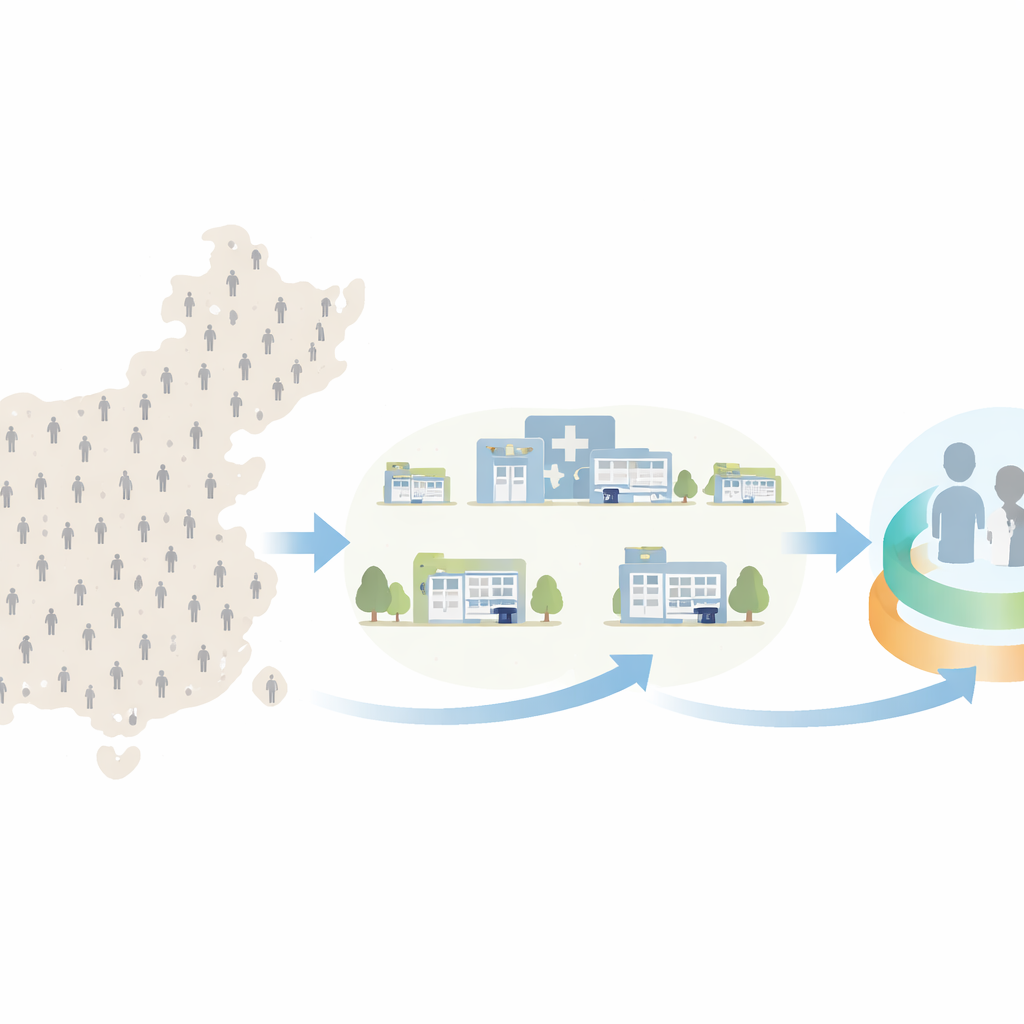
China’s national basic public health service program was launched in 2009 to give all residents free access to essential services, from childhood vaccinations to chronic disease management. Funding and coverage have grown rapidly, and millions of health workers in community health centers, township hospitals, and village clinics now deliver 14 broad categories of services. Yet the system has struggled with uneven worker training, gaps in skills, and a lack of shared standards. Many staff members have limited formal education in public health, and existing training tends to focus on procedures and regulations rather than the deeper abilities needed to plan, adapt, and improve services over time.
Deciding what good public health work looks like
To build a solid foundation, the researchers first clarified what basic public health services are supposed to achieve. They reviewed international public health function lists, compared frameworks from 11 countries and organizations, and analyzed Chinese government policies. With guidance from experienced experts, they distilled these sources into one overarching goal for China’s program: to make basic public health services more equal and to promote health fairness. Around this goal they identified eight core functions, such as improving people’s health understanding, managing health information, maintaining health across the whole life course, preventing and controlling disease, preparing for emergencies, working with multiple sectors, and planning and evaluating policies. These functions define the real-world targets that health workers must help the system reach.
Listening to front-line staff and experts
The team then turned to the people closest to the work. They interviewed managers and front-line staff in dozens of community and township health centers in Chongqing, a large municipality that has been a testing ground for public health initiatives. These conversations revealed everyday realities: heavy workloads, limited time for training, and specific gaps in knowledge and skills. The researchers also observed workers on the job and used national technical guidelines to map which abilities are needed for each of the 14 public health service programs. They combined this fieldwork with a broad review of existing competency models in other countries and professions, looking for common threads such as communication, risk assessment, and leadership that matter in prevention-focused care.
Reaching consensus on the core abilities
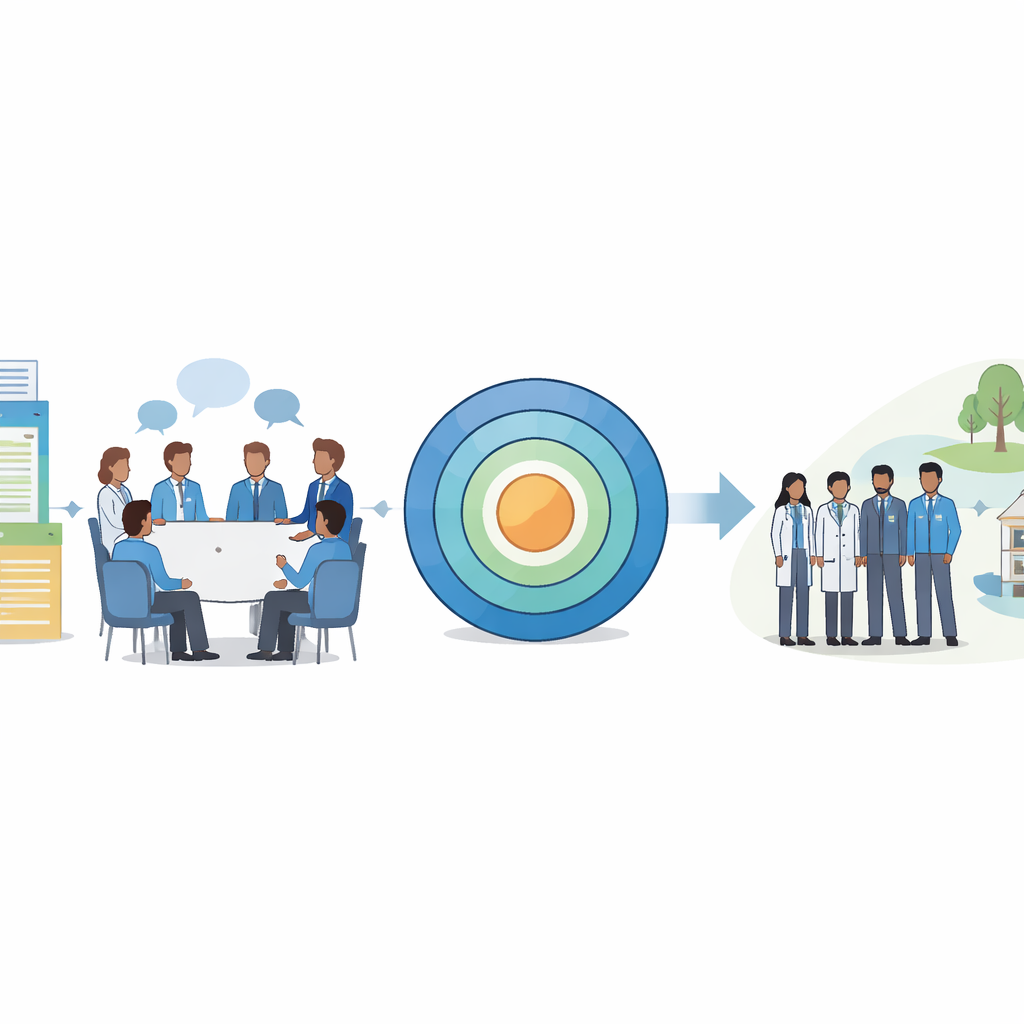
Using a structured, two-round "Delphi" consultation, the team asked 17 seasoned experts from across China to rate and refine a draft competency list. These experts came from universities, research institutes, health agencies, and primary care facilities, and had decades of experience. Through repeated anonymous scoring and feedback, they trimmed, merged, and clarified items until opinions converged. The final framework is organized into three broad areas: specialized knowledge, practical skills, and concepts and values. Within these sit 19 domains, 60 subdomains, and 116 specific competencies. The framework stresses not only technical topics like epidemiology and health statistics, but also communication, community partnership building, management, and professional ethics—qualities that help workers serve the whole population effectively, not just treat diseases.
What this means for patients and communities
In everyday terms, the study offers a detailed checklist of what a competent basic public health worker should bring to the job: solid public health knowledge, hands-on skills for prevention and health promotion, and a people-centered mindset that values fairness and collaboration. This framework can guide training programs, inform hiring and evaluations, and help managers design teams that match local needs. Because it is built to be updated over time, it can evolve as health challenges change. While created for China, the structure is readily adaptable for other low- and middle-income countries seeking to deliver low-cost, prevention-oriented services to large populations. Ultimately, clearer expectations for health workers can translate into more reliable basic services, narrower health gaps, and better chances for everyone to stay healthy throughout life.
Citation: Bai, H., Liang, S., Huang, H. et al. A core competency framework for healthcare workers to deliver basic public health service in primary healthcare settings in China. Commun Med 6, 199 (2026). https://doi.org/10.1038/s43856-026-01472-2
Keywords: basic public health services, healthcare worker competencies, primary healthcare China, public health training, health equity