Clear Sky Science · en
Lactobacillus paragasseri LPG-9 reduces placental inflammation in intrahepatic cholestasis of pregnancy by regulating TGR5 in mice
Why gut bugs matter in pregnancy liver trouble
Some pregnant women develop a liver condition called intrahepatic cholestasis of pregnancy, which raises bile chemicals in the blood and increases the risk of stillbirth and other complications. This study in mice explores how microbes living in the gut and a carefully chosen probiotic strain can reshape these bile chemicals, calm inflammation in the placenta, and improve the health of offspring, offering a possible future way to reduce risk for families facing this condition.
When bile backs up and the placenta burns
Intrahepatic cholestasis of pregnancy occurs when bile, a fluid that helps digest fats, does not flow properly and instead builds up in the mother’s blood. The researchers examined placentas from women with this condition and from healthy pregnancies. They found that affected placentas were packed with inflammatory immune cells and showed reduced activity of a protective sensor called TGR5, while an alarm pathway involving TLR4 and NF-kappaB was strongly switched on. In a mouse model that mimicked the disease by feeding pregnant animals high levels of a bile ingredient, the same pattern appeared: higher bile levels in the blood, more placental damage, and poorer survival and growth of newborn pups. 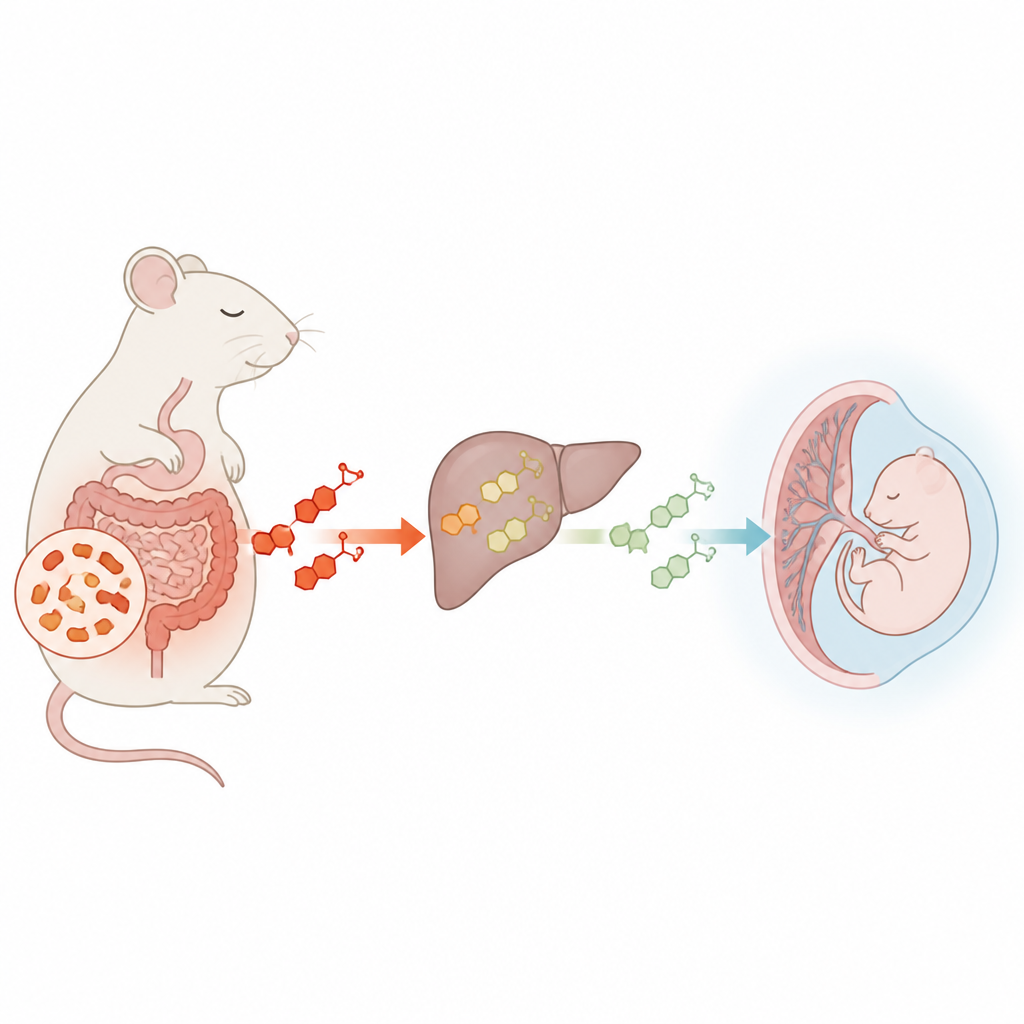
A protective sensor that needs the right bile mix
The team focused on TGR5 because it normally helps damp down inflammation when it senses certain forms of bile. Careful experiments in cells and mice showed that when TGR5 was boosted or activated with a drug, placental inflammation eased and offspring did better. However, in cholestasis the mix of bile chemicals was skewed. Using sensitive chemical tests, the scientists found that mice with the disease had more primary bile acids and fewer secondary bile acids, which are the types that best switch on TGR5. This shortage of the right bile messengers helped explain why the placenta stayed inflamed even though bile levels were high.
Gut microbes as hidden players in bile balance
Secondary bile acids are made by gut microbes that carry enzymes called bile salt hydrolases. By sequencing bacterial DNA from mouse droppings, the researchers discovered that cholestasis disrupted the gut community. Helpful bacteria such as Lactobacillus, known for strong bile-processing activity, were greatly reduced, and overall capacity for bile acid transformation fell. When the team transferred gut microbes from pregnant women with cholestasis into healthy pregnant mice, the recipients developed higher bile levels, more placental inflammation, and poorer offspring outcomes. This showed that a disturbed gut community can drive disease features, not just accompany them.
A targeted probiotic that rewires bile and inflammation
To see whether restoring key microbes could help, the scientists screened Lactobacillus strains for strong bile-processing ability and selected Lactobacillus paragasseri LPG-9. This strain carried many bile salt hydrolase genes, tolerated harsh gut conditions, and lacked harmful traits. In cholestasis model mice, feeding LPG-9 lowered bile levels in the blood, improved liver and placental tissue appearance, and boosted survival and weight of pups. Chemical profiling revealed that LPG-9 shifted bile composition toward more secondary bile acids in blood and stool. At the same time, the placenta regained TGR5 activity, the TLR4–NF-kappaB alarm pathway quieted, and inflammatory signals fell. 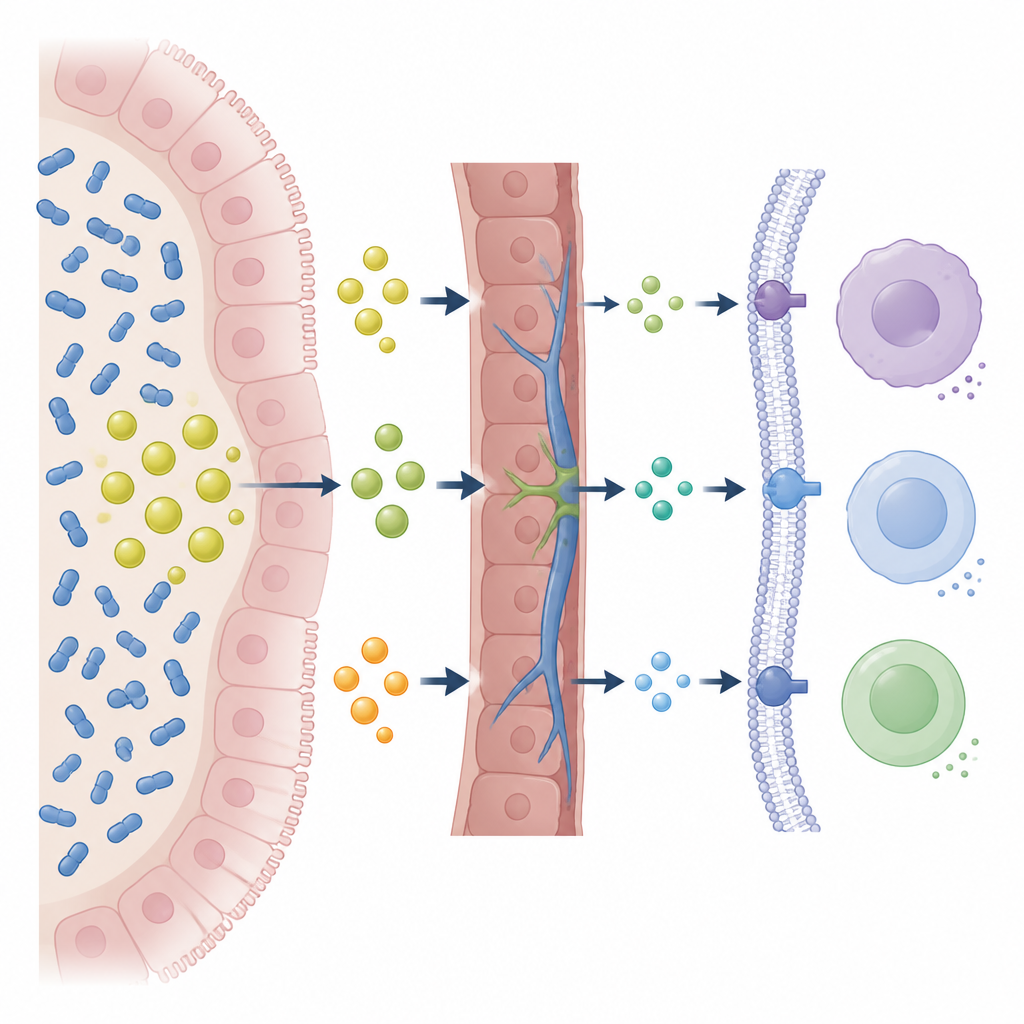
How one strain reshapes the gut–liver–placenta loop
Further analysis showed that LPG-9 not only restored Lactobacillus numbers but also increased bile salt hydrolase activity in the gut and enhanced overall bile excretion. In the liver, genes that pump bile out of liver cells and a sensor called FXR became more active, while an FXR-blocking bile acid decreased. Together, these changes meant that bile was more effectively processed in the intestine, converted into forms that activate protective signals in the placenta, and cleared from the body more efficiently. In simple terms, the probiotic helped turn a self-worsening loop of bile buildup and inflammation into a more balanced system.
What this could mean for future pregnancies
This mouse study suggests that a specific probiotic strain, Lactobacillus paragasseri LPG-9, can reduce placental inflammation in pregnancy liver disease by reshaping bile chemistry and rebalancing gut microbes. While more work in people is needed, especially larger clinical studies, the findings point toward a future in which tailored probiotics might become part of the toolkit to protect babies from the hidden dangers of bile buildup during pregnancy.
Citation: Huang, W., Zhang, J., Shan, J. et al. Lactobacillus paragasseri LPG-9 reduces placental inflammation in intrahepatic cholestasis of pregnancy by regulating TGR5 in mice. Commun Biol 9, 679 (2026). https://doi.org/10.1038/s42003-026-09869-4
Keywords: intrahepatic cholestasis of pregnancy, gut microbiome, bile acids, Lactobacillus paragasseri, probiotic therapy