Clear Sky Science · en
Genotoxic potential of Dianthus superbus var. superbus and Petasites paradoxus (Retz.) Baumg. methanolic extracts in Chinese hamster ovary cells
Why these healing plants deserve a closer look
Many people around the world turn to medicinal plants because they seem natural, affordable, and safer than conventional drugs. This study looks closely at two such plants from the Italian Alps—Dianthus superbus and Petasites paradoxus—that have long been used for problems ranging from infections to migraines. The researchers wanted to know whether concentrated extracts of their leaves can quietly damage DNA in cells, a kind of harm that may raise the long‑term risk of cancer. Their findings show that even herbs with promising health benefits can carry hidden dangers, especially at higher doses.
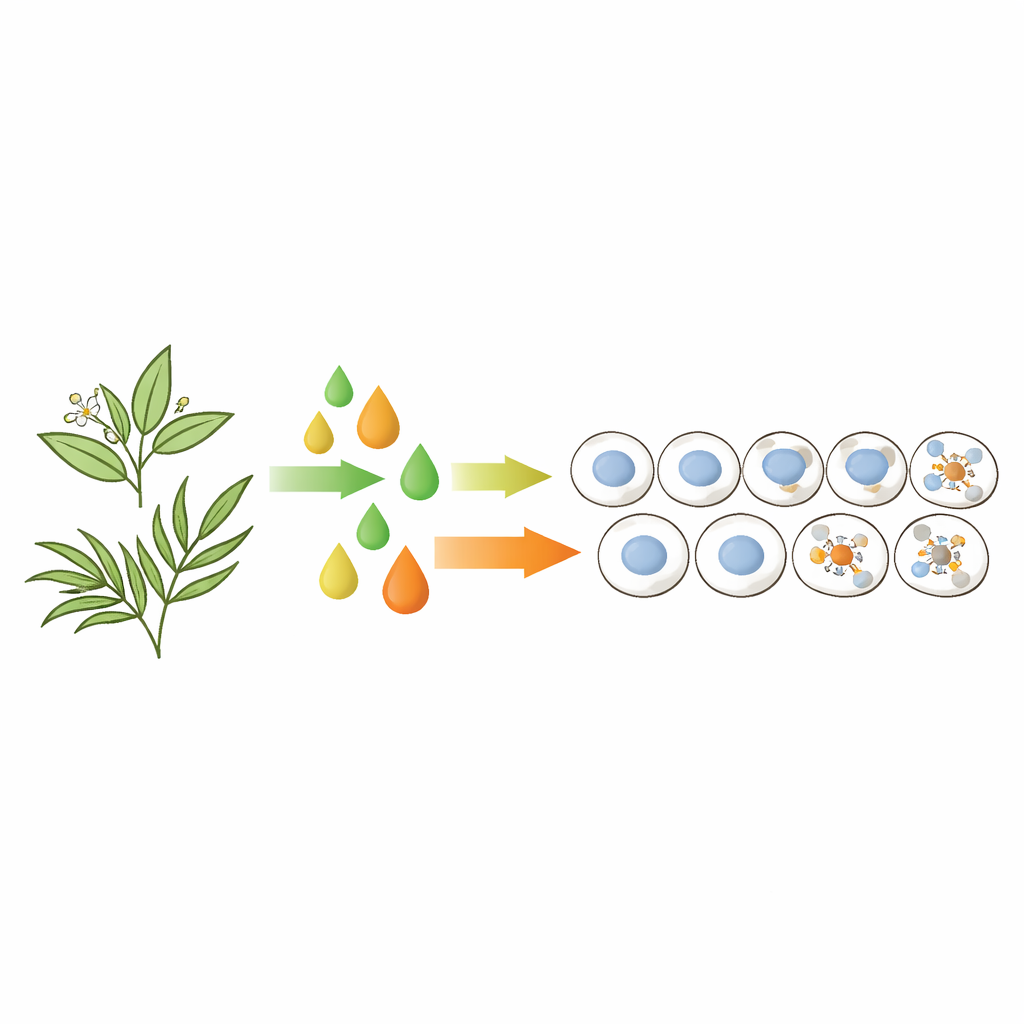
Old remedies meet modern cell tests
Dianthus superbus and Petasites paradoxus have a rich history in folk medicine and are packed with a wide mix of natural chemicals, including flavonoids, triterpenes, and alkaloids. These compounds can be powerful allies—showing antioxidant, anti‑inflammatory, and even anti‑tumor effects in earlier studies—but powerful molecules can also harm cells. To explore safety, the team used a standard laboratory model: Chinese hamster ovary cells, which behave in many ways like human cells and are widely used to test whether substances damage genetic material. They focused on methanolic leaf extracts, a form that concentrates many of the plants’ active ingredients.
Testing how the cells cope
The researchers first checked how toxic the extracts were by measuring how many cells survived 24 hours of exposure. Both plant extracts reduced cell survival in a clear dose‑dependent way: the higher the concentration, the fewer cells remained alive. For Dianthus, half the cells died at about 27 micrograms per milliliter of extract; for Petasites, this midpoint came at roughly 56 micrograms per milliliter. Those results guided the choice of three test doses for each plant in the more refined DNA‑damage experiments, ensuring that the doses were strong enough to stress the cells but not so strong that nearly all of them died, which would make it difficult to see specific genetic effects.
Looking for tiny signs of DNA injury
To detect genotoxicity—damage to genetic material—the team used the cytokinesis‑block micronucleus (CBMN) assay. This method looks for tiny extra DNA bodies, called micronuclei, that appear in cells when chromosomes break or fail to separate properly. Using automated microscopy and image analysis, the scientists counted thousands of cells for each condition. Dianthus extract, at the two higher doses tested, significantly increased the number of micronuclei compared with untreated cells, both alone and when combined with a known DNA‑damaging drug, mitomycin C. This suggests that higher doses of the extract add to the genotoxic burden on cells.
A plant that can both protect and harm
Petasites paradoxus showed a more complex behavior. At the lowest dose tested, it did not raise micronuclei levels on its own and actually reduced the DNA damage caused by mitomycin C, hinting at a protective, “antigenotoxic” effect. However, at higher doses, Petasites clearly increased micronuclei formation, and at the top dose its genotoxic impact matched or exceeded that of the drug. When this high dose was combined with mitomycin C, the damage was greater than with the drug alone, pointing to a harmful synergy. A second, more advanced imaging technique confirmed these patterns, reinforcing the conclusion that Petasites can switch from protector to aggressor depending on the amount used.
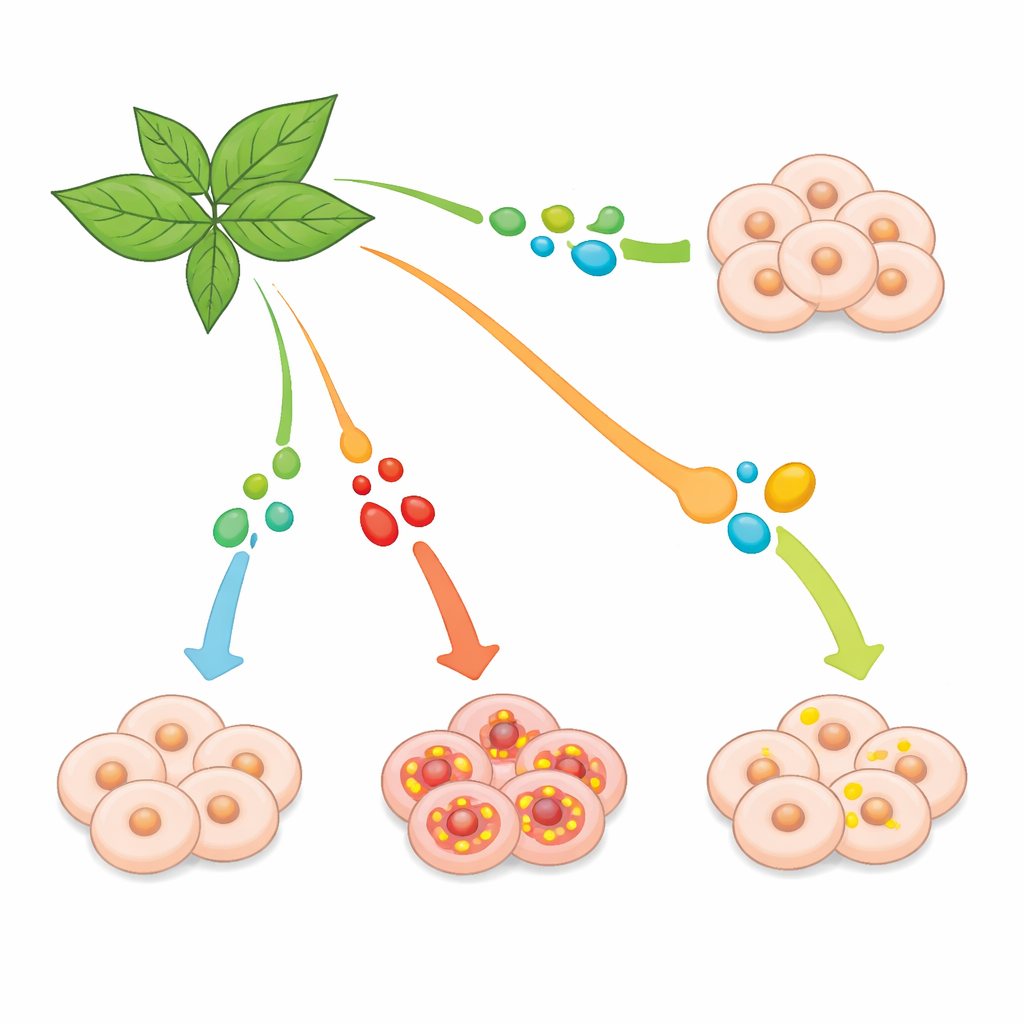
What this means for herbal safety
For everyday readers and herbal users, the message of this study is caution, not alarm. The work was done in a single type of cultured animal cell and used concentrated leaf extracts, not typical teas or capsules—and it does not prove that the plants cause cancer in people. Still, the clear signs of DNA damage at higher doses show that these “natural” remedies are far from harmless and should not be assumed safe without proper testing. The authors argue that more studies in animals and with careful chemical profiling are needed to pinpoint which components cause harm and whether safer preparations are possible. Until then, the study reinforces a simple idea: natural medicines can be powerful, and power always calls for respect and careful use.
Citation: Al-Naqeb, G., De Giuseppe, R., Kalmpourtzidou, A. et al. Genotoxic potential of Dianthus superbus var. superbus and Petasites paradoxus (Retz.) Baumg. methanolic extracts in Chinese hamster ovary cells. Sci Rep 16, 13641 (2026). https://doi.org/10.1038/s41598-026-50267-x
Keywords: medicinal plants, genotoxicity, DNA damage, herbal safety, cell culture