Clear Sky Science · en
Nisin and rutin as potential coating agents for iron oxide nanoparticles for enhanced theranostic applications against cancer
Fresh Ways to Aim Cancer Treatments
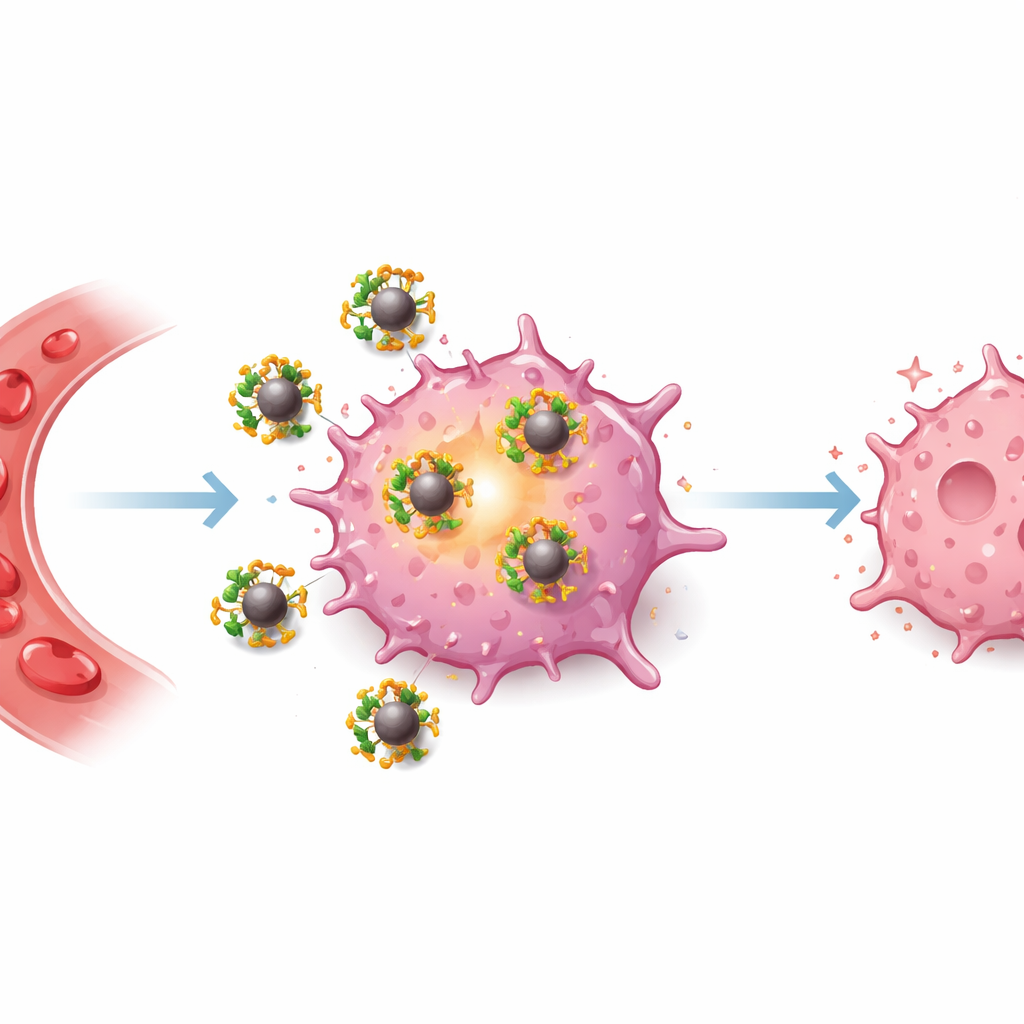
Many modern cancer treatments struggle to hit only tumor cells while sparing healthy tissue. This study explores a clever tweak: dressing tiny iron particles with natural compounds so they can both detect and attack cancer more precisely. By combining safe, food- and plant‑derived molecules with medical nanoparticles, the researchers hope to create tools that can find cancer cells, slip inside them, and weaken one of their key defenses against therapy.
Tiny Magnets as Medical Helpers
Iron oxide nanoparticles are microscopic magnetic beads already used in medicine, for example as contrast agents in MRI scans or to treat iron‑deficiency anemia. Because doctors can steer or track them with magnets and imaging, these particles are attractive candidates for “theranostics” – materials that can both diagnose and treat disease. However, how they behave inside the body depends strongly on how their surfaces are coated. A good coating can keep them stable in blood, help them avoid rapid clearance, and even guide them specifically to tumor tissue.
Natural Coats: From Citrus Plants and Friendly Bacteria
The team focused on two natural substances as coatings. The first, rutin, is a plant pigment found in citrus fruits and long studied for its antioxidant and anticancer effects. The second, nisin, is a small protein made by a harmless dairy bacterium and used safely in food as an antimicrobial agent. The researchers attached each of these to iron oxide nanoparticles, creating rutin‑coated (R‑IONP) and nisin‑coated (N‑IONP) particles. They then carefully measured particle size, shape, surface charge, and how evenly sized the particles were, using high‑resolution microscopes and light‑based techniques. Both coatings covered the iron cores efficiently and produced stable, negatively charged particles in the nanometer range, suitable for traveling through the bloodstream and interacting with cells.
Putting Coated Particles to the Cancer Test
To see whether the new particles could harm cancer cells, the scientists exposed a hard‑to‑treat human breast cancer cell line (MDA‑MB‑231) to increasing doses of R‑IONP and N‑IONP. After two days, they measured how many cells were still alive. Both types of coated nanoparticles slowed cancer cell growth, but rutin‑coated particles were clearly more potent: at the same concentrations, they killed more cells than the nisin‑coated version. The doses required to cut cell survival in half were about twice as low for R‑IONP as for N‑IONP, suggesting that combining rutin with iron nanoparticles enhances its anticancer punch.
Targeting a Stress Protein on Tumor Cells
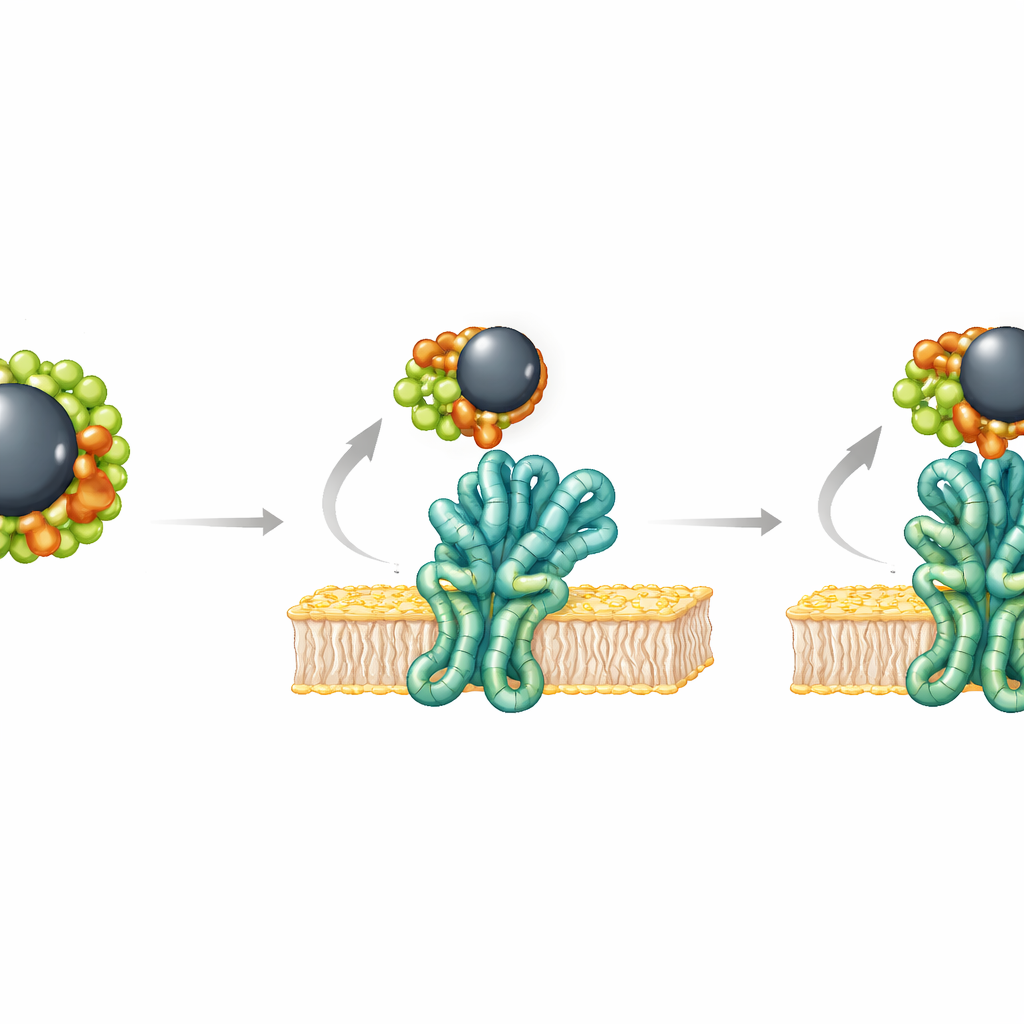
Many cancer cells rely on a helper protein called GRP78, which normally lives inside cells but often appears on the surface of tumor cells and helps them survive stress and resist drugs. The researchers asked whether rutin or nisin could latch onto this protein, potentially blocking its protective role. Using advanced computer simulations of molecular motion and docking, they modeled how each compound fits into a key region of GRP78. They found that both rutin and nisin can form stable complexes with the protein, but nisin’s longer, flexible chain allows it to make more contact points and bind more strongly. Detailed energy calculations showed that the interaction energies were favorable for both, with nisin having the edge, and identified specific parts of the protein that grip each coating molecule.
What This Could Mean for Future Cancer Care
Taken together, the experiments and simulations suggest a two‑pronged opportunity. Rutin‑coated iron nanoparticles showed stronger direct killing of breast cancer cells, while both rutin and nisin appear capable of homing in on GRP78, a stress protein that helps tumors withstand treatment. This raises the possibility of designing coated iron nanomedicines that both deliver therapy and disarm a key survival mechanism of cancer cells, improving the impact of existing drugs. Although further animal and clinical studies will be needed, the work highlights how re‑purposing familiar natural molecules on well‑known magnetic particles could bring smarter, more selective cancer theranostics closer to reality.
Citation: Saad, O.A., Elfiky, A.A., Fathy, M.M. et al. Nisin and rutin as potential coating agents for iron oxide nanoparticles for enhanced theranostic applications against cancer. Sci Rep 16, 14036 (2026). https://doi.org/10.1038/s41598-026-49686-7
Keywords: iron oxide nanoparticles, cancer theranostics, rutin, nisin, GRP78