Clear Sky Science · en
Berberine enhances cisplatin efficacy in ehrlich ascites carcinoma via modulation of apoptotic pathway and efferocytosis
Plant Compound That Helps Chemotherapy Hurt Tumors, Not Organs
Chemotherapy drugs can be lifesaving, but they often damage healthy organs and lose power as cancer cells adapt. This study explores whether berberine—a naturally occurring yellow compound found in several medicinal plants—can make a common cancer drug, cisplatin, more effective while softening its harmful side effects. Working in a mouse model of aggressive abdominal cancer, the researchers asked a simple question with big implications: can a plant molecule help standard chemotherapy kill more cancer and spare more of the body?
How a Traditional Remedy Meets Modern Cancer Care
Berberine has been used for centuries in traditional medicine and is already known for its antioxidant and anti-inflammatory properties. Scientists have recently become interested in how it influences cell growth and cell death, processes that are central to cancer. Cisplatin, by contrast, is a powerful hospital staple that damages DNA in rapidly dividing cells, but it can also injure the liver and kidneys. The team used mice carrying Ehrlich ascites carcinoma—a fast-growing tumor that fills the abdomen with cancerous fluid—to see how berberine alone, cisplatin alone, or the two together would affect tumor growth, survival, and organ health.
Testing Different Treatment Mixes in Mice
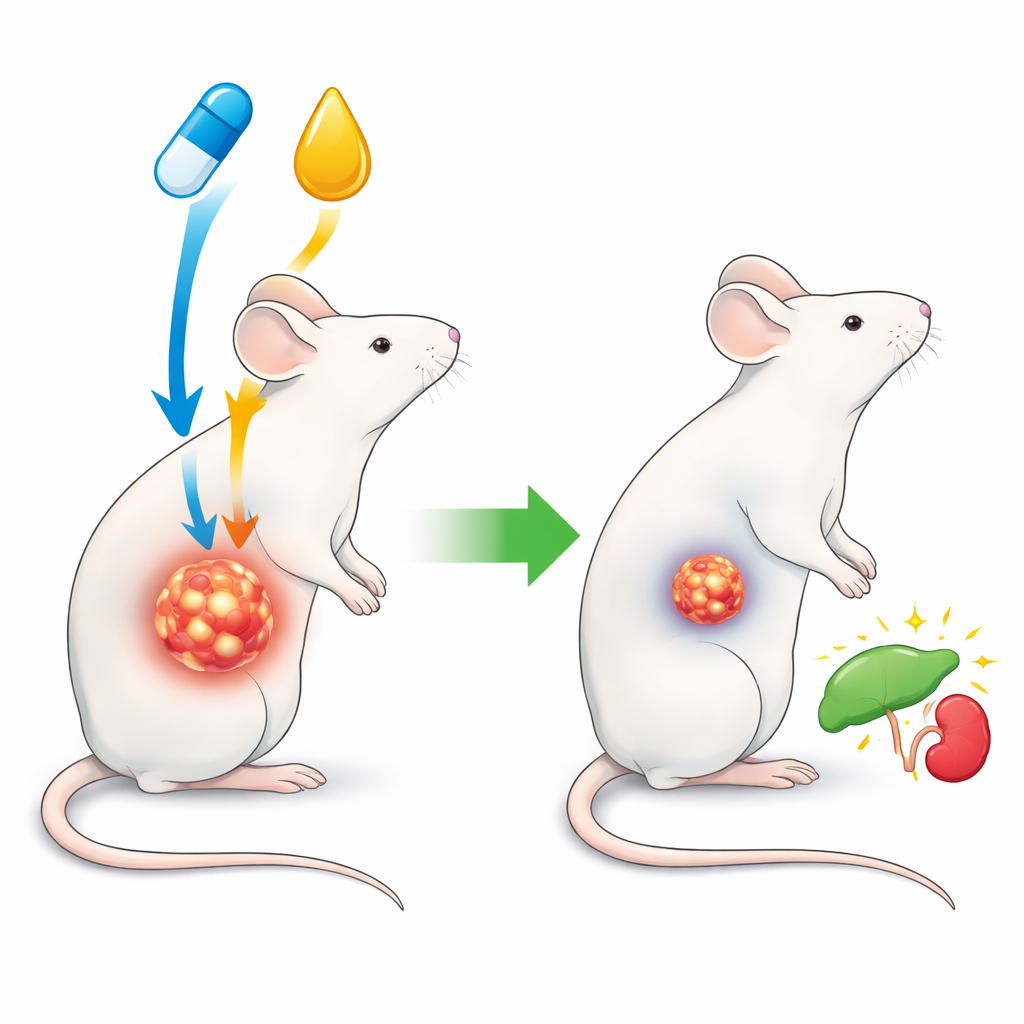
Eighty mice were divided into eight groups, including healthy controls and tumor-bearing animals treated with saline, berberine, cisplatin, or the combination. Over 14 days, the researchers tracked body weight, the volume of tumor fluid in the abdomen, the number of living and dead tumor cells, and how long the mice survived. They also measured standard blood markers of liver and kidney function, levels of protective and harmful molecules linked to oxidative stress, and examined liver tissue under the microscope. This multi-layered design allowed them to see not only whether tumors shrank, but also how the rest of the body responded.
More Tumor Death, Longer Life, Less Organ Damage
The combination of berberine and cisplatin produced the most striking benefits. Tumor-bearing mice receiving both compounds had the smallest tumor volumes and the lowest counts of living cancer cells, alongside a larger fraction of dead tumor cells. These mice also enjoyed the biggest gains in survival time and life-span extension compared with untreated tumor-bearing animals. While cisplatin alone tended to disrupt liver and kidney function—raising enzymes and waste products in the blood—the addition of berberine largely restored these measures toward normal. Molecular tests showed that the drug pair boosted markers of programmed cell death, stalled cancer cells in a non-dividing phase, and improved antioxidant defenses in liver and kidney tissues, suggesting that berberine helped limit the collateral damage caused by cisplatin.
Helping the Body Clear Away Dying Cancer Cells
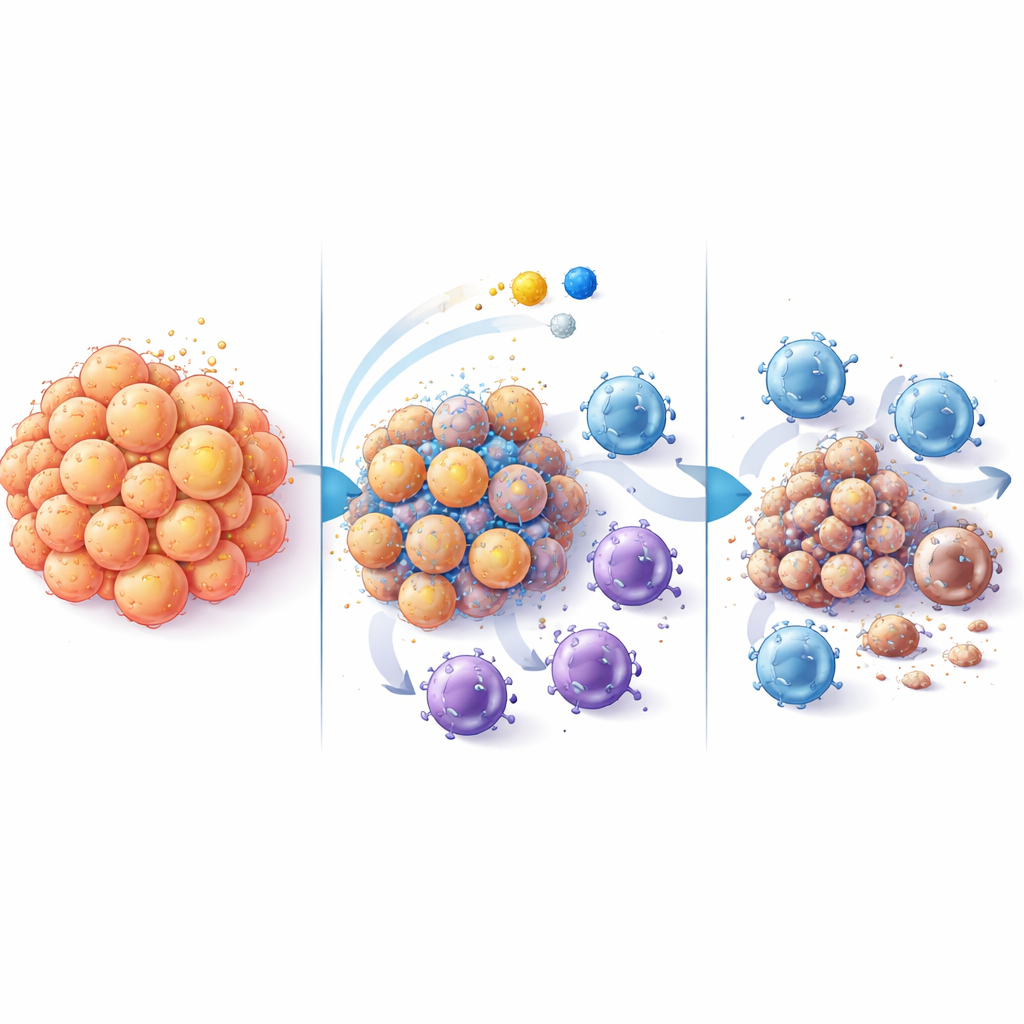
Beyond simply killing tumor cells, the researchers looked at how efficiently the body could clear them away, a clean-up process called efferocytosis. They focused on two surface signals on tumor cells: calreticulin, which acts like an “eat me” flag for immune cells, and CD47, which serves as a “don’t eat me” shield. In the mice, berberine increased the helpful calreticulin signal and, when combined with cisplatin, reduced CD47. This shift made dying cancer cells easier for the immune system to recognize and engulf. At the same time, key genes that drive growth and survival pathways inside cancer cells (such as components of the PI3K/Akt signaling axis and related receptors) were dialed down most strongly in the combination group, indicating that berberine and cisplatin together were disrupting the tumor’s internal wiring as well as its external disguise.
What This Could Mean for Future Cancer Treatments
In plain terms, this study suggests that berberine can help cisplatin do its job better: together they shrank tumors more, killed more cancer cells, extended survival, and reduced liver and kidney damage in mice. By both weakening cancer-promoting signals and making dying tumor cells more “visible” to the immune system, berberine appears to turn cisplatin into a sharper, cleaner tool. While these results are early and come from an animal model, they point toward the possibility of using a well-known plant compound as an add-on to standard chemotherapy, aiming not just for stronger cancer control but also for gentler treatment on the rest of the body.
Citation: Salem, M.M., Dawod, S.M., Mohamed, T.M. et al. Berberine enhances cisplatin efficacy in ehrlich ascites carcinoma via modulation of apoptotic pathway and efferocytosis. Sci Rep 16, 13637 (2026). https://doi.org/10.1038/s41598-026-49296-3
Keywords: berberine, cisplatin, efferocytosis, PI3K Akt signaling, chemotherapy toxicity