Clear Sky Science · en
Comparative effects of intranasal and intraperitoneal resveratrol on the eye–brain axis in a cisplatin-induced neurotoxic rat model
Protecting the Brain and Eyes During Cancer Treatment
Cancer drugs like cisplatin save lives, but they can leave survivors with lasting nerve and vision problems. This study asks a practical question with real-world impact: can a natural compound found in grapes, resveratrol, help shield both the brain and the eye from cisplatin’s toxic side effects—and does it matter whether it is delivered through the nose or by injection into the body cavity?
Why the Eye Tells a Brain Story
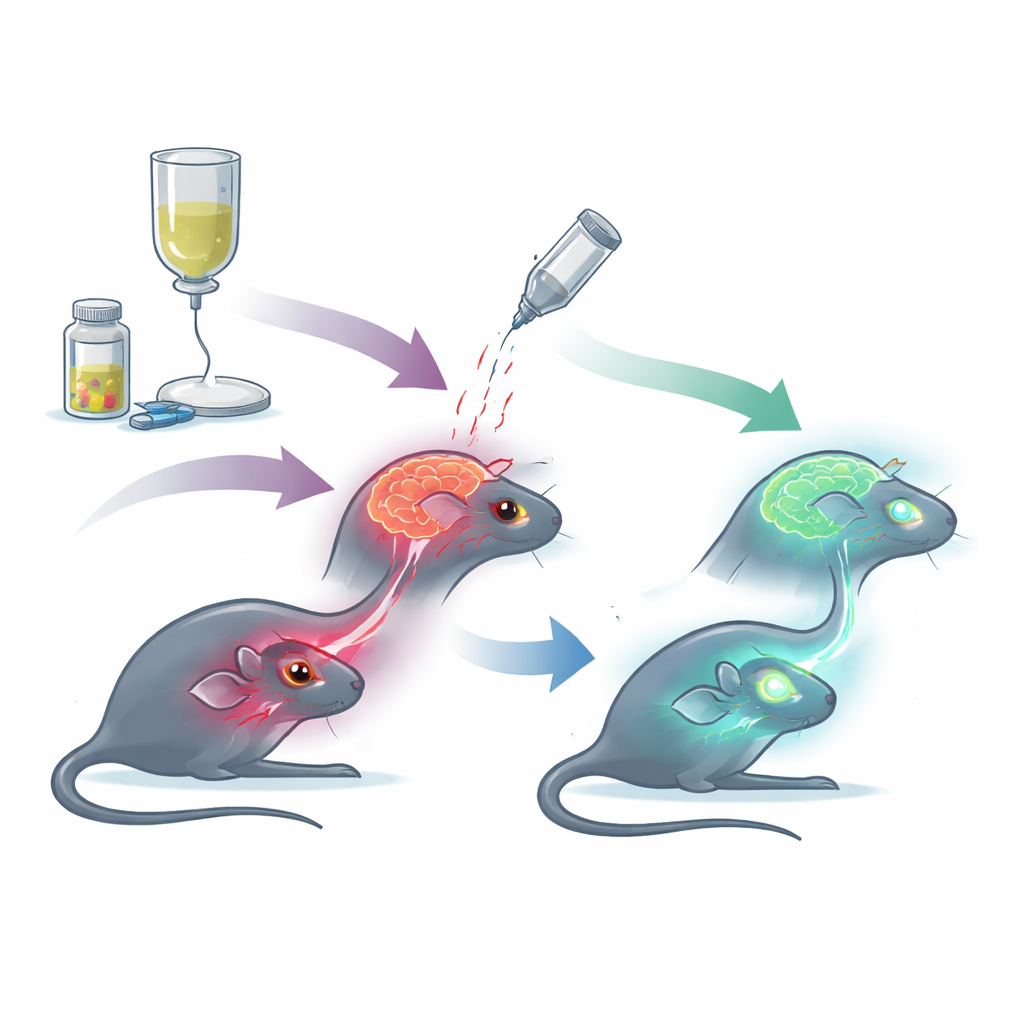
The retina at the back of the eye is essentially an outpost of the brain. It develops from the same tissue, shares similar blood vessels and protective barriers, and can be imaged noninvasively. Damage seen in the retina often mirrors what is happening deeper in the brain. Cisplatin, a widely used chemotherapy drug, is known to injure nerve cells, disrupt blood–brain barriers, and harm retinal and corneal tissue, sometimes leading to vision problems. Because of these tight links, the authors focused on the “eye–brain axis” as a unified system for tracking cisplatin-induced neurotoxicity and testing possible protection strategies.
A Grape-Derived Helper and Two Delivery Routes
Resveratrol is a plant-based compound best known from red grapes and wine. It has been studied for its antioxidant, anti-inflammatory, and cell-protective properties. However, when taken by mouth it is rapidly broken down, so only a small fraction reaches the brain. The researchers therefore compared two alternative ways of giving resveratrol to rats receiving cisplatin: intraperitoneal (injection into the abdominal cavity, a standard systemic route) and intranasal (drops into the nose, intended to travel along nerve pathways directly into the brain while bypassing the liver and some barriers). Female rats were divided into four groups: healthy controls, cisplatin only, cisplatin plus intranasal resveratrol, and cisplatin plus intraperitoneal resveratrol.
What Happened Inside the Brain and Eye
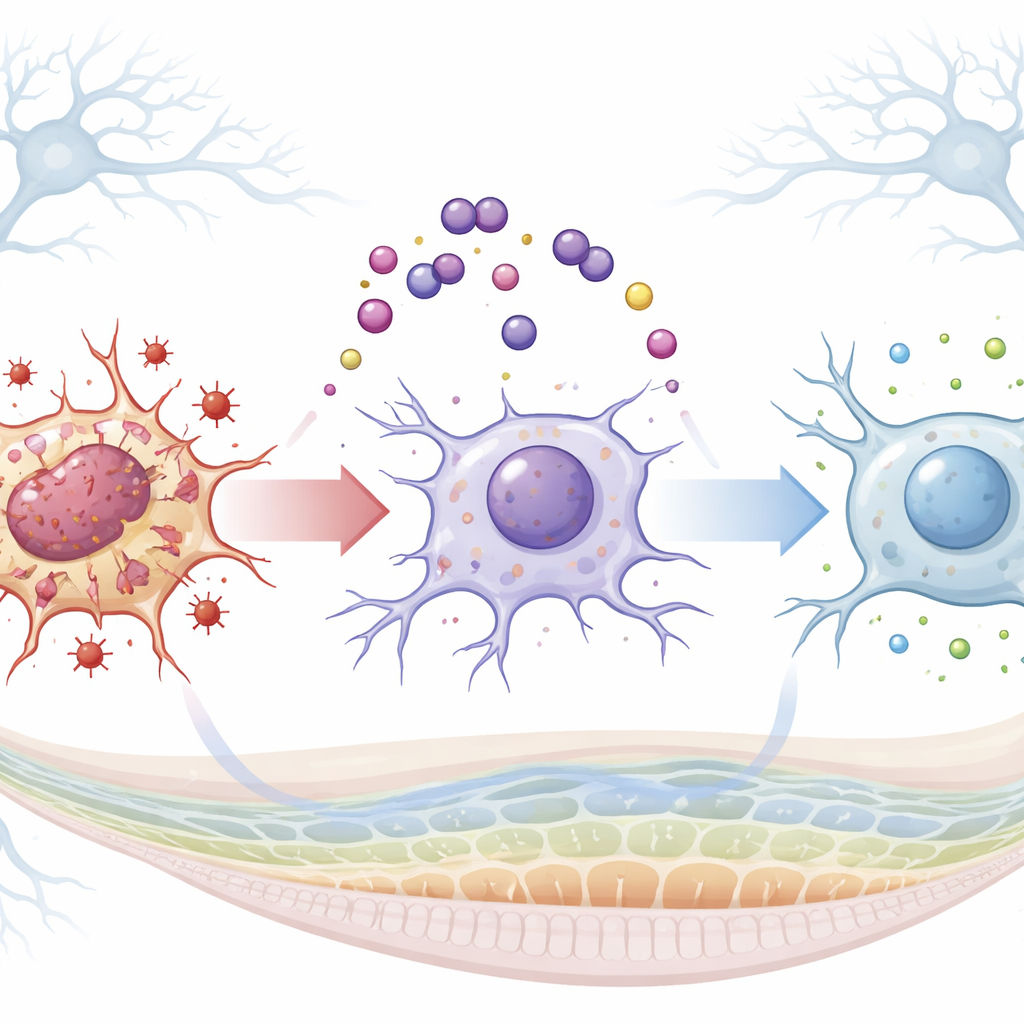
Cisplatin alone caused a cascade of damage. In brain and eye tissues, markers of oxidative attack on fats rose, and the protective enzyme catalase fell, indicating strong oxidative stress. In the eye, a DNA injury marker called 8-OHdG surged, and blood cells showed more DNA breaks. In the brain, enzyme activity linked to neurotransmission (acetylcholinesterase) was abnormally high, signaling disturbed chemical messaging. At the gene level, cisplatin reduced expression of IL-10, a calming anti-inflammatory signal, while sharply increasing caspase-8, a driver of programmed cell death. Circulating levels of Nrf2, a master switch for antioxidant defenses, also dropped. Under the microscope, brain regions and eye structures showed clear structural injury, including degenerating neurons and damaged retinal layers.
How Resveratrol Softened the Blow
Both intranasal and intraperitoneal resveratrol blunted many of these harmful changes. Oxidative stress in the brain and eye decreased, with lower lipid peroxidation and higher catalase activity. Damage to DNA in the eye and blood cells was reduced, and Nrf2 levels climbed, consistent with a stronger internal antioxidant response. In the brain, resveratrol shifted the balance away from cell death and inflammation: IL-10 expression rose well above cisplatin-only levels, while caspase-8 expression fell. Acetylcholinesterase activity moved back toward normal, suggesting better-preserved nerve signaling. Tissue slices from treated animals showed milder structural injury in brain and eye, with more intact neurons and less severe retinal and corneal changes. Overall, intraperitoneal resveratrol provided the strongest combined protection, especially for DNA damage, inflammation, and apoptosis, but intranasal delivery achieved broadly comparable antioxidant and neuroprotective effects.
What This Could Mean for Patients
This animal study suggests that resveratrol can meaningfully reduce cisplatin’s collateral damage to the brain and eyes by limiting oxidative stress, calming inflammation, and curbing cell death. While injection into the body cavity produced the most robust overall protection, intranasal delivery—which is noninvasive and potentially more comfortable—still offered notable benefits and may better reflect how a nose-to-brain route could be used in people. The work does not yet translate directly into clinical practice, but it highlights a promising strategy: pairing powerful cancer drugs with carefully chosen protective agents, delivered in smart ways, to safeguard the nervous system while maintaining anti-tumor power.
Citation: Ibrahim Fouad, G., Aly, H.F., Mabrouk, M.I. et al. Comparative effects of intranasal and intraperitoneal resveratrol on the eye–brain axis in a cisplatin-induced neurotoxic rat model. Sci Rep 16, 13780 (2026). https://doi.org/10.1038/s41598-026-48629-6
Keywords: cisplatin neurotoxicity, resveratrol, eye–brain axis, intranasal drug delivery, oxidative stress