Clear Sky Science · en
Prevalence and risk factors of hepatitis B, hepatitis C, and syphilis among reproductive-age adults in the Tigray region, Northern Ethiopia: a community-based cross-sectional study
Why these hidden infections matter
Hepatitis B, hepatitis C, and syphilis often cause no early symptoms, yet they can lead to liver failure, severe illness in newborns, and long term disability. In many low income regions, people may never be tested unless they donate blood or fall seriously ill. This study looked directly into households in Tigray, a conflict affected region in northern Ethiopia, to find out how common these infections really are among ordinary adults and who is most at risk. The results help health officials decide where to focus vaccines, tests, and treatment so that limited resources can save the most lives.
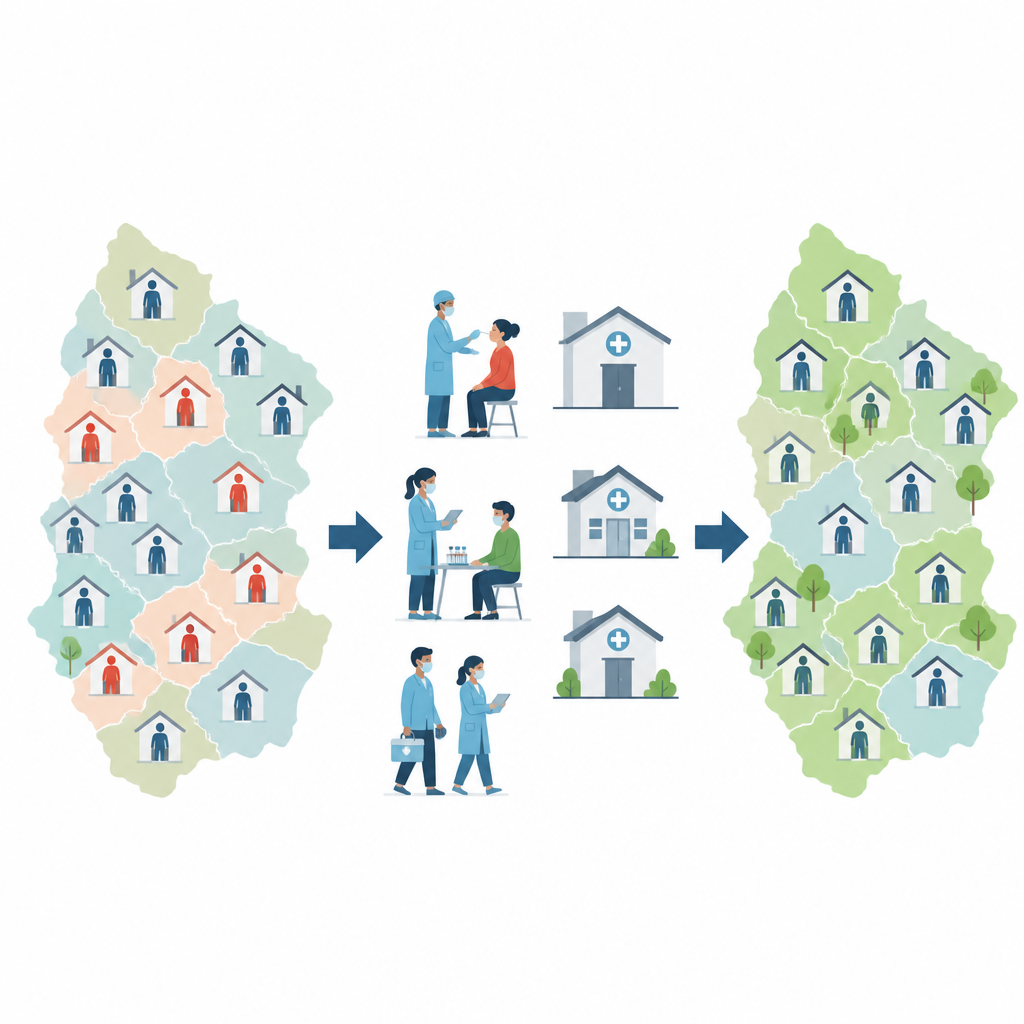
Taking the question to people’s homes
Instead of studying only clinic visitors or blood donors, the researchers knocked on doors across 30 districts in Tigray, including both towns and rural villages. They enrolled more than 6,000 men and women in their reproductive years, collected blood samples, and asked detailed questions about age, living conditions, and other background factors. All samples were tested in a regional laboratory using standard rapid tests for hepatitis B, hepatitis C, and syphilis. This design provides a snapshot of infection levels in everyday community life, not just among those already seeking medical care.
How common were the infections
Overall, about 4 out of every 100 adults tested positive for at least one of the three infections. Hepatitis B was the most frequent, affecting roughly 2 in 100 people, followed by syphilis at about 1 to 2 in 100. Hepatitis C was rare, detected in only about 2 in 1,000 participants. These levels are noticeably lower than many earlier reports from Ethiopia and other African countries, where estimates for hepatitis B have often been three times higher. One likely reason is that older studies focused on hospital patients or other high risk groups, which can make infections seem more widespread than they are in the general population.
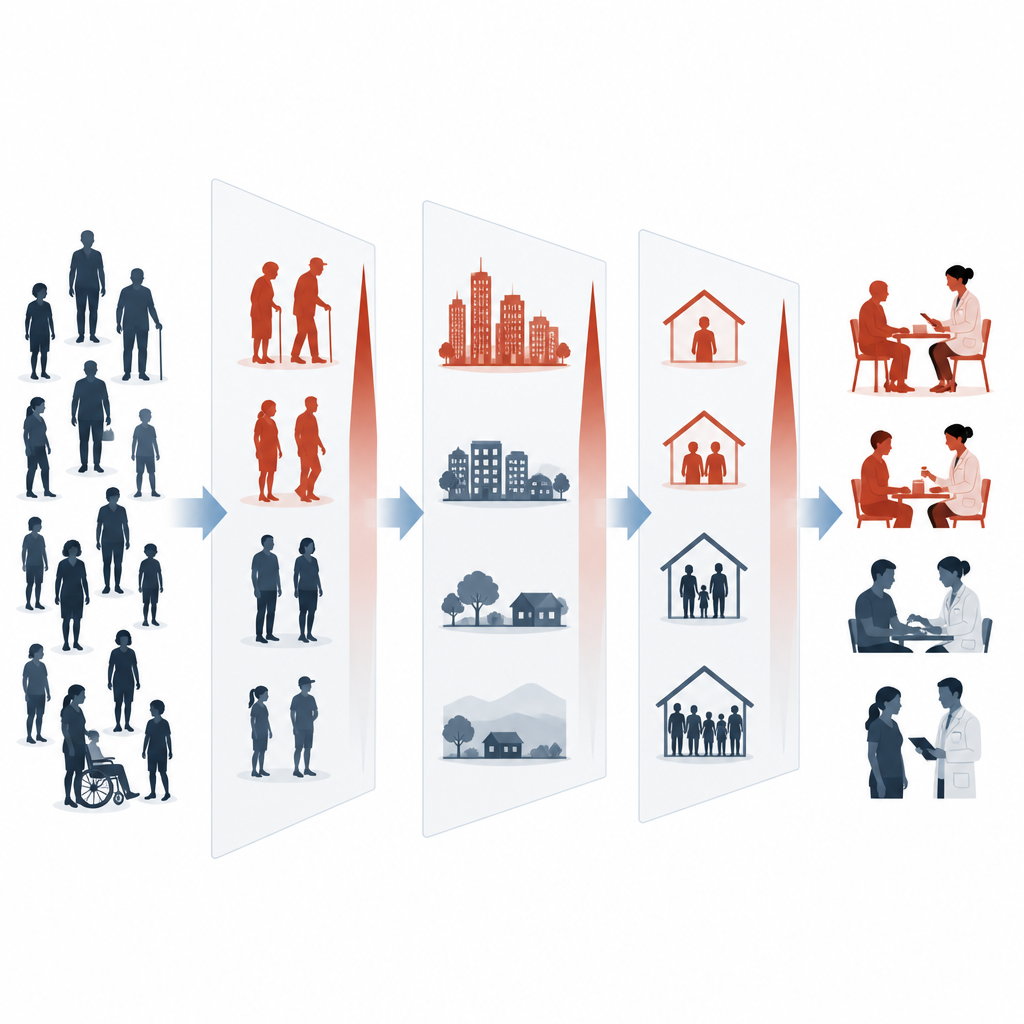
Where and in whom infections cluster
Even with modest overall levels, the infections did not fall evenly across the region. Hepatitis B was clearly more common in the Southeast Zone than in the Central Zone, hinting at local gaps in vaccination or infection control. For syphilis, personal and social factors mattered more. Adults aged 35 to 54 years, people who had lost a spouse, those living in towns, and those in small households of one to three members were all more likely to test positive. Men and women had similar chances of infection, and differences by education and job type were small once other factors were taken into account. The very low level of hepatitis C echoes recent national surveys and suggests that blood safety and basic infection control have improved.
What the findings mean for public health
Because the study covered a large and diverse set of households, it offers rare, up to date insight into these silent infections in a region with limited recent data. The picture that emerges is mixed. On one hand, hepatitis B and syphilis are still present and could flare if left unchecked, especially in certain districts and social groups. On the other hand, hepatitis C appears to be under control at the community level. Together, these patterns argue for targeted action rather than one size fits all campaigns.
Putting the results to work
For non specialists, the bottom line is that most adults in Tigray are free of these infections, but pockets of higher risk remain and deserve focused attention. Health planners can use these findings to expand hepatitis B vaccination and testing in the Southeast Zone, while directing syphilis screening and rapid treatment toward middle aged and older adults, widowed people, town residents, and small households. Maintaining strong blood screening and infection control can help keep hepatitis C at bay. By matching services to the people and places most in need, the region can move closer to global goals to reduce deaths and new infections from viral hepatitis and sexually transmitted infections.
Citation: Berhe, G., Gebru, G.G., Ebrahim, M.M. et al. Prevalence and risk factors of hepatitis B, hepatitis C, and syphilis among reproductive-age adults in the Tigray region, Northern Ethiopia: a community-based cross-sectional study. Sci Rep 16, 16311 (2026). https://doi.org/10.1038/s41598-026-47701-5
Keywords: hepatitis B, hepatitis C, syphilis, Tigray Ethiopia, community health survey