Clear Sky Science · en
Loneliness and its associated factors among patients with cancer in China: a sequential explanatory mixed-methods study
Why feeling alone with cancer matters
When people think about cancer, they often picture scans, surgery, and medicine, not the quiet moments when a patient lies awake feeling cut off from others. This study looks closely at loneliness among people with cancer in China, asking how common it is, what makes it worse or better, and how patients themselves describe this painful feeling. Understanding these patterns can help families, health workers, and society support patients in ways that go beyond the hospital bed.
How the study was carried out
The researchers used a two-step approach that combined numbers and personal stories. First, they surveyed 240 adults receiving treatment in large hospitals in Jilin Province, asking about their level of loneliness, their mood, personality, social support, and how they tended to cope with stress. Then they invited 18 patients with higher loneliness scores to take part in in-depth interviews. These conversations, carried out in private rooms, explored how illness, family life, and social attitudes shape a person’s sense of being alone. Together, the survey and interviews offered both a broad snapshot and a human voice. 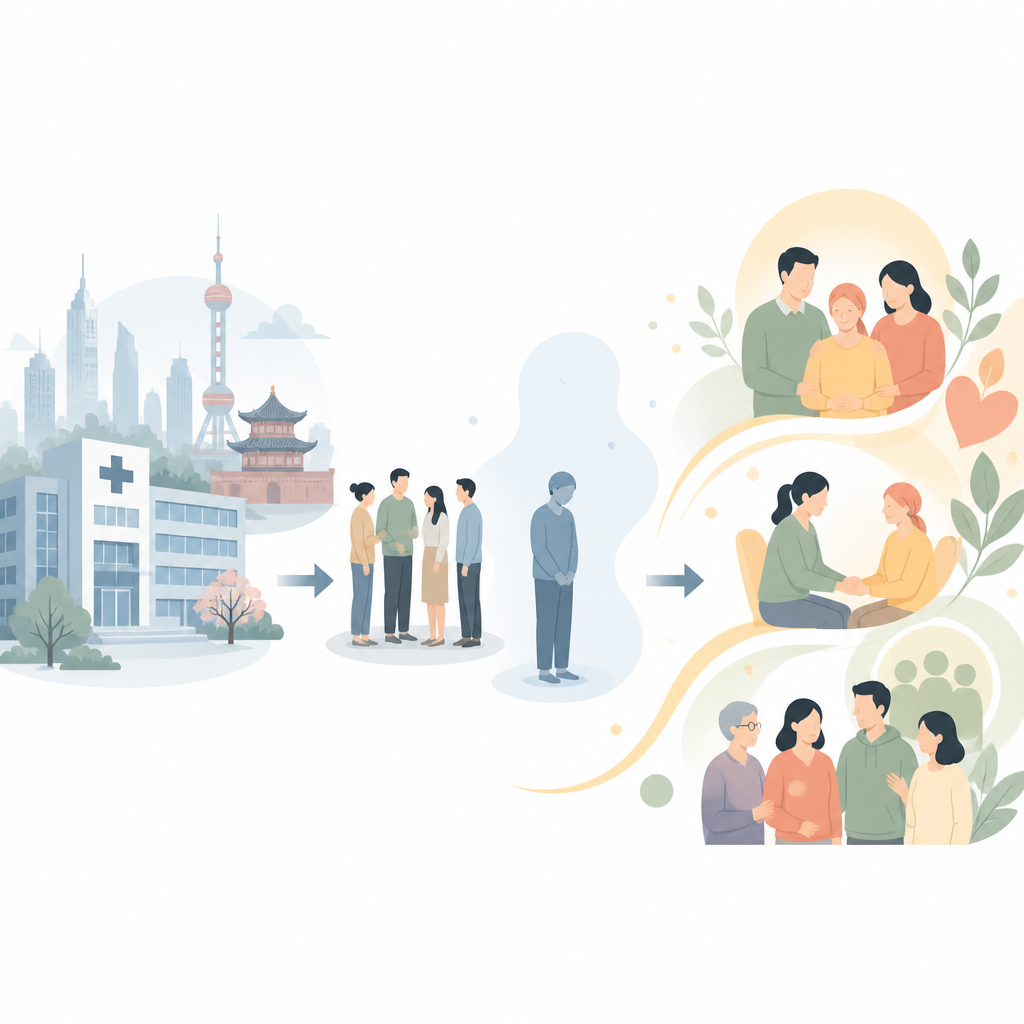
How common loneliness is for cancer patients
The survey revealed that loneliness was not a rare side effect but a widespread experience. On average, patients scored in the moderate range on the cancer loneliness scale, and more than four out of five reported moderate to severe loneliness. Many said they felt empty, misunderstood, or cut off from others since their diagnosis. People whose cancers had lasted more than three years, who had advanced disease, or who had experienced recurrence tended to feel lonelier. Those without a regular caregiver, such as a spouse or close family member, also reported higher loneliness than patients who had someone by their side day to day.
What makes loneliness worse or better
When the researchers examined the survey data, several clear patterns emerged. Loneliness was more likely among people with an introverted personality, higher depression scores, and a habit of using passive or negative coping strategies, such as avoidance. It was also strongly linked to gloomy expectations about how others would react to their illness, including fear of rejection or pity. In contrast, strong social support from family and friends, along with more active ways of coping, were tied to lower loneliness. Taken together, seven factors, including personality, caregiving, length of illness, mood, expectations, and coping style, explained a large share of the differences in how lonely patients felt.
How patients describe feeling alone
The interviews brought these statistics to life. Many patients spoke of uncertainty about the future and the fear that their condition would worsen or return. Some described withdrawing from social life because they did not want to worry others or because they felt no one truly understood what they were going through. Others reported feeling ashamed or guilty, as if they had become a burden on their family. Patients also pointed to outside forces, such as social stigma around cancer or uneven support from relatives and friends. In response, some chose to hide their diagnosis from neighbors or coworkers, while others actively sought out people who could listen with empathy, including fellow patients. 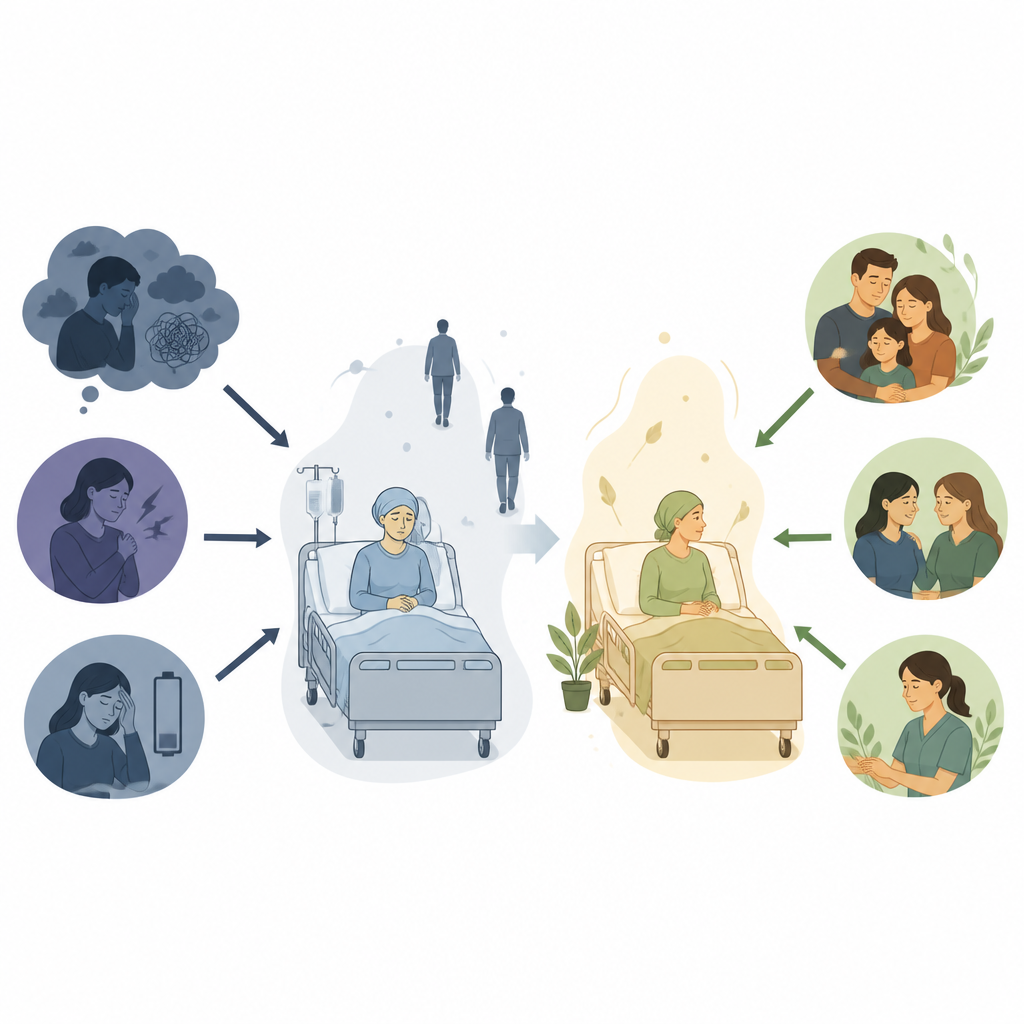
What these findings mean for care
By combining numbers with lived experiences, the study shows that loneliness in cancer is shaped by a mix of personal traits, disease burden, emotional health, and social climate. This means that addressing it requires more than a friendly word at the bedside. The authors suggest that health workers should learn to spot patients at higher risk, such as those who are introverted, lack a caregiver, feel depressed, or have carried the illness for many years. Helping patients talk about their emotions, build realistic but hopeful views of others, and connect with family, peers, and community groups may ease loneliness. For patients and families, the message is simple but powerful: attentive presence and open conversation can be as important to well-being as many medical tests.
Citation: Wang, X., Li, Y., Liu, Z. et al. Loneliness and its associated factors among patients with cancer in China: a sequential explanatory mixed-methods study. Sci Rep 16, 15916 (2026). https://doi.org/10.1038/s41598-026-46428-7
Keywords: cancer loneliness, social support, depression, coping strategies, Chinese patients