Clear Sky Science · en
How pain intensity and mental disorders shape chronic pain sick leave and quality of life in the general Spanish population
Why this study matters for everyday life
Chronic pain is more than a nagging ache; it can push people out of work, strain their minds, and drain their enjoyment of life. This Spanish study looks at how often people with long lasting pain take sick leave and how that time away from work ties in with both the strength of their pain and their levels of anxiety and depression. By untangling these links, the research points to ways doctors, employers, and policymakers might better support workers who hurt every day.
Who was studied and what was measured
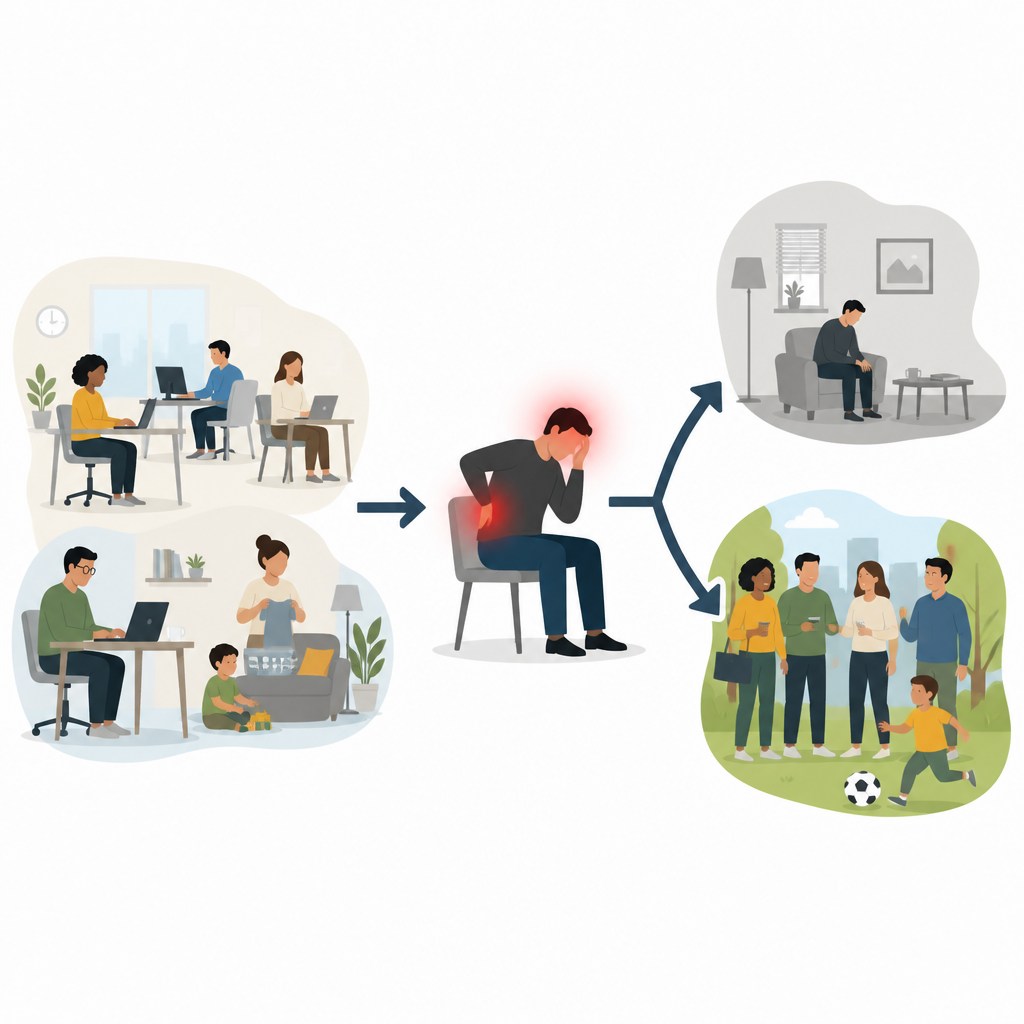
The researchers drew on data from more than seven thousand adults across Spain, designed to reflect the general population. Among them, about one in four had chronic pain, defined as pain lasting at least three months and felt most days of the week. Within this group of 1660 people, participants reported whether they had taken sick leave because of their pain in the past year. They also rated how intense their pain was, answered questions that screen for anxiety and depression, and completed a short survey on health related quality of life that produces separate scores for physical and mental health.
How common is sick leave due to long lasting pain
The study found that nearly three in ten people with chronic pain had taken sick leave for that reason in the previous year, often for long stretches of time. On average, these leaves lasted more than four months, and about one third of those affected ended up leaving their jobs. Common pain problems included low back pain and muscle tension, and these issues were more frequent in people who needed sick leave than in those who kept working. Women made up a slight majority of those with pain related sick leave, and many had higher levels of formal education, underlining that chronic pain and work loss cut across social groups.
Links between pain, mood, and daily functioning
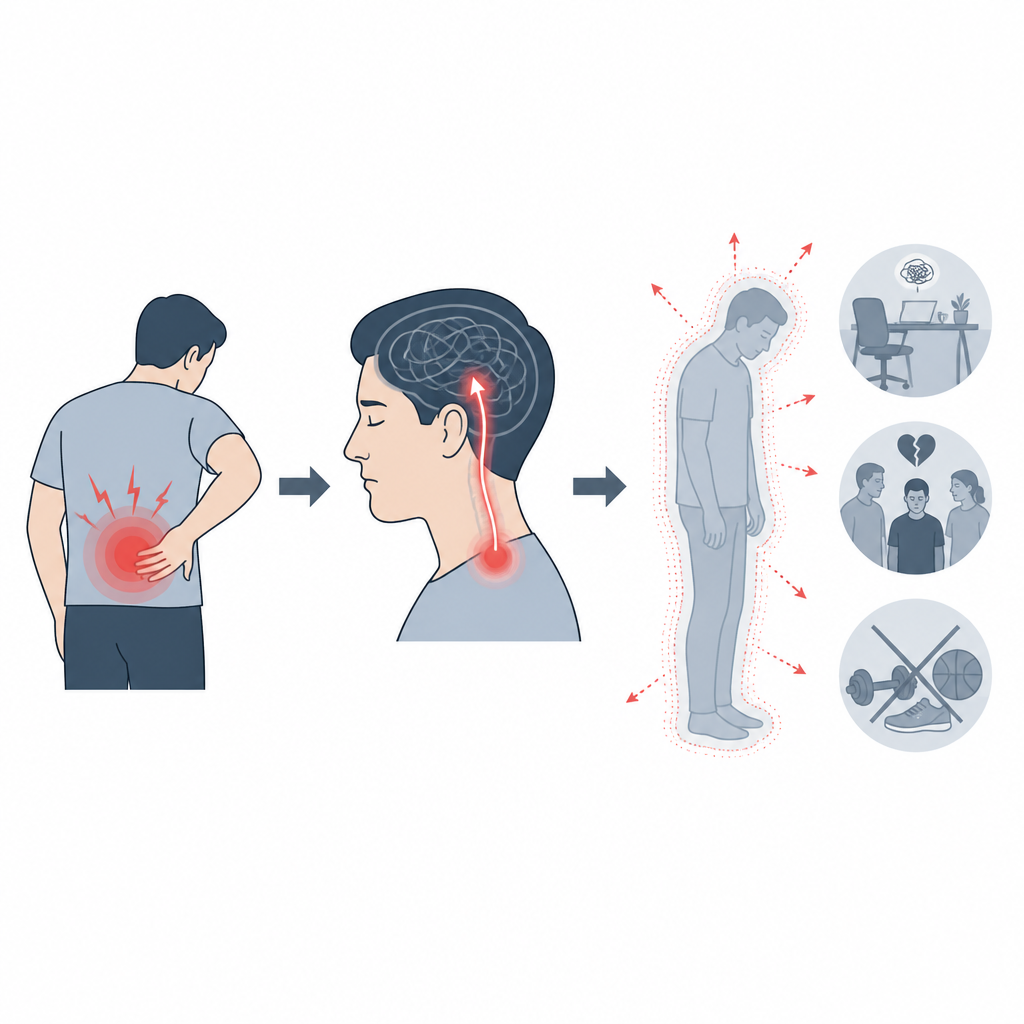
People with chronic pain who had taken sick leave reported stronger pain, more anxiety and depression symptoms, and lower scores for both physical and mental quality of life than those who stayed on the job. To explore how these factors fit together, the team used statistical models that test whether some variables act as bridges between others. In these models, sick leave was treated as the starting point, pain intensity and emotional symptoms as possible bridges, and physical or mental quality of life as the outcomes. While the study design cannot prove cause and effect, it can show how these elements tend to move together in the data.
How pain and mood help explain poorer quality of life
For physical health, the models showed that people on sick leave had worse physical quality of life both directly and indirectly. Part of the link ran through higher pain levels and part through anxiety and depression. Sick leave was associated with stronger pain, which in turn related to more emotional distress; both pain and distress were tied to lower physical scores. Even so, these factors explained only part of the drop in physical health, suggesting that other elements such as fitness, other illnesses, and job demands also play roles. For mental health, the picture was different. Once pain and emotional symptoms were taken into account, there was no remaining direct link between sick leave and mental quality of life. Instead, higher anxiety and depression, themselves closely tied to stronger pain, carried almost all of the statistical connection between sick leave and poorer mental well being.
What this means for people living and working with pain
Put simply, the study suggests that when chronic pain forces people off the job, their pain often grows more intense and their mood worsens, and together these changes are closely tied to feeling less healthy both in body and mind. Because the research is based on a single snapshot in time, it cannot say which comes first, but it does highlight how tightly work loss, pain, and emotional distress are linked. For workers, employers, and health services, this points toward the value of care that addresses not only the physical sensation of pain but also anxiety, depression, and support for staying engaged in meaningful daily activities whenever possible.
Citation: Gómez, R., Dueñas, M. & Failde, I. How pain intensity and mental disorders shape chronic pain sick leave and quality of life in the general Spanish population. Sci Rep 16, 15136 (2026). https://doi.org/10.1038/s41598-026-46265-8
Keywords: chronic pain, sick leave, anxiety, depression, quality of life