Clear Sky Science · en
Effect of molecular weight, temperature, and pH on antioxidant activity of whey protein isolate hydrolysate and its application in pasta fortification
Healthier Comfort Food
Pasta is a staple on dinner tables around the world, but nutritionally it has some gaps: it’s relatively low in certain essential amino acids and offers little protection against the gradual damage caused by everyday oxidation in the body. This study looks at whether a byproduct of cheese making—whey protein—can be transformed into tiny protein fragments with strong protective power, and then quietly worked into pasta dough to make a more health‑oriented version of a familiar food.
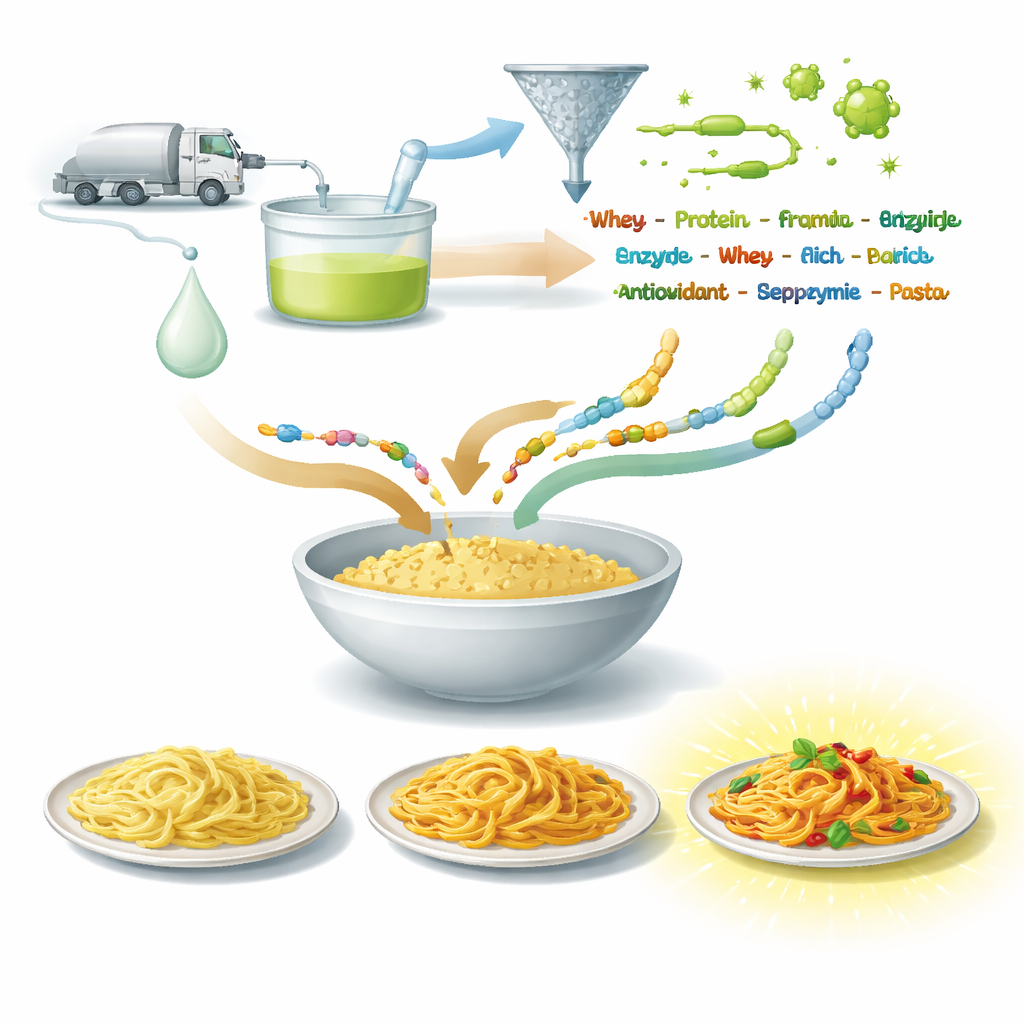
Turning Dairy Leftovers into Useful Pieces
Whey is the liquid left after milk is turned into cheese, and it is rich in high‑quality protein. The researchers took two common whey ingredients—whey protein concentrate and whey protein isolate—and broke their proteins into smaller pieces called peptides using a food‑grade enzyme. They adjusted how much enzyme was used and measured how far the proteins were broken down over time. They then tested how well the resulting mixtures could neutralize reactive molecules (a stand‑in for antioxidant power) and bind to metal ions that can trigger damaging reactions in food and in the body.
Why Size and Shape of Protein Pieces Matter
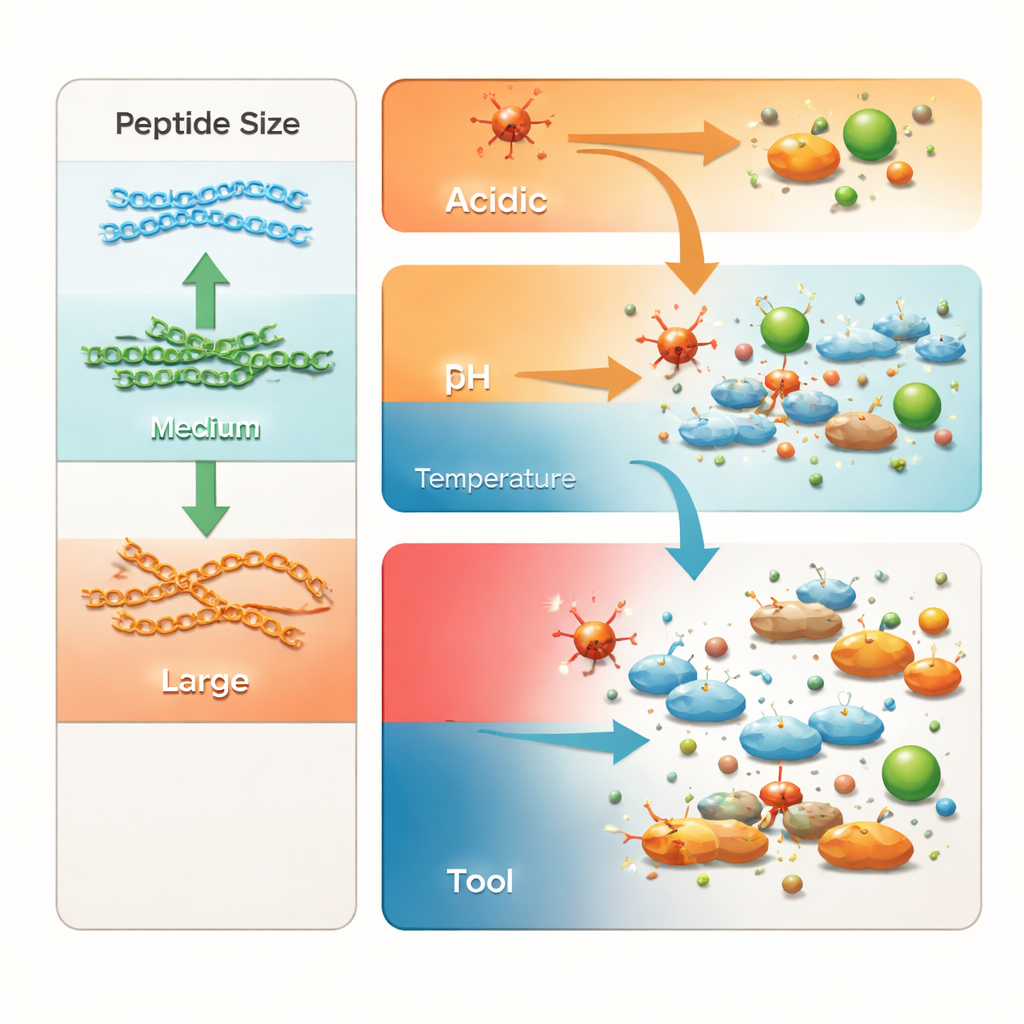
Not all peptide mixtures behaved the same. Hydrolysates made from whey protein isolate consistently showed stronger antioxidant activity than those from whey protein concentrate, even when they were broken down to a similar degree. When the isolate hydrolysate was further separated by size, very small peptides (under 2 kilodaltons) excelled at one kind of radical‑scavenging test, while much larger peptides (over 10 kilodaltons) were better at a different test and at tying up iron ions. Chemical analysis showed that these groups differed in their balance of water‑loving and water‑avoiding amino acids, helping explain why they interacted differently with various radicals and metals.
Surviving Heat and Acidity
For any ingredient to be practical in real foods, it must tolerate cooking and processing. The team examined how the antioxidant activity of the most promising whey isolate hydrolysate changed across cooking‑like temperatures and pH levels. Its radical‑scavenging ability held up best at mildly acidic to neutral conditions and at moderate heat, with performance dropping at very high temperatures and in strongly alkaline settings. Metal‑binding activity was strongest at lower pH. These patterns suggest that the peptide structures, and the way their key amino acids carry electrical charge, shift under extreme conditions in ways that blunt their protective effects—an important consideration when designing new foods.
Building a Better Bowl of Pasta
Armed with these insights, the researchers blended selected whey isolate hydrolysate into durum wheat semolina to make pasta containing up to 1.5 grams of hydrolysate per 100 grams of dry ingredients. They compared these batches with regular pasta in terms of nutrition, cooking behavior, texture, color, antioxidant capacity, and taste. As hydrolysate levels rose, the pasta’s protein and mineral content increased slightly, while carbohydrate content declined. Cooking time became a bit shorter, and more material leached into the cooking water, reflecting a somewhat weaker internal structure. Instrument tests showed that the pasta became softer as more hydrolysate was added, and its color shifted to a darker, more yellow tone.
Taste and Benefits in Balance
Despite these changes, the fortified pasta delivered a clear functional payoff. All levels of added hydrolysate significantly boosted its ability to neutralize radicals and bind iron, even after extrusion, drying, and boiling. In some tests, antioxidant activity more than tripled compared with ordinary pasta, showing that many of the delicate peptides survived real‑world processing. A tasting panel found that pasta with low to moderate enrichment (up to 1 gram hydrolysate per 100 grams of flour) was just as acceptable overall as the control, with similar appearance, flavor, and aroma. Only at the highest level did texture and smell begin to slip noticeably.
What This Means for Everyday Eating
The study suggests that carefully processed whey, once viewed mainly as a leftover from cheese plants, can be turned into a concentrated source of protective peptides and quietly woven into everyday foods such as pasta. When used at modest levels, these ingredients can substantially raise a meal’s antioxidant capacity and slightly improve its protein profile without asking consumers to change what they eat or how they cook it. With further refinement to protect texture and color, such fortified pasta could offer a simple way to make a comfort food work a little harder for long‑term health.
Citation: Mohammadi, M., Ahmadi Gavlighi, H., Amini Sarteshnizi, R. et al. Effect of molecular weight, temperature, and pH on antioxidant activity of whey protein isolate hydrolysate and its application in pasta fortification. Sci Rep 16, 14246 (2026). https://doi.org/10.1038/s41598-026-45308-4
Keywords: functional pasta, whey protein, antioxidant peptides, food fortification, protein hydrolysate