Clear Sky Science · en
Apigenin combined with aerobic exercise alleviates oxidative stress and inflammation in high-fat diet-induced NAFLD mice by modulating the Keap1/Nrf2/ARE pathway
Why this matters for everyday health
Many people carry extra fat in their liver without knowing it, a condition now called metabolic dysfunction-associated steatotic liver disease (formerly NAFLD). It is closely tied to obesity, type 2 diabetes, and heart disease, yet there are still no approved drugs to treat it. This study in mice explores a simple question with big implications: can a natural plant compound, combined with regular aerobic exercise, work together to protect the liver from damage caused by a high-fat diet?
A common liver problem on the rise
Fatty liver disease affects roughly one in four people worldwide and is driven mainly by unhealthy diet and lack of physical activity. At first, fat quietly builds up inside liver cells. Over time, this excess fat fuels a harmful loop of "rust-like" chemical damage, known as oxidative stress, and ongoing low-grade inflammation. Together, they injure liver cells, attract immune cells, and can push the organ toward scarring, cirrhosis, and even liver cancer. Because lifestyle changes are hard to maintain and current medicines fall short, researchers are searching for safe, multi-purpose strategies that can both calm inflammation and strengthen the liver’s own defenses.
A plant compound meets the treadmill
Apigenin is a naturally occurring molecule found in many everyday foods such as celery, chamomile, tea, and some fruits and spices. It has been reported to have antioxidant and anti-inflammatory properties. In this study, researchers fed mice a very high-fat diet to mimic human fatty liver disease, confirmed by microscope images showing swollen, fat-filled liver cells. They then divided the animals into groups that received apigenin alone, treadmill-based aerobic exercise alone, both together, or no treatment at all. Over eight weeks, the team tracked changes in liver appearance, blood markers of liver injury, fat levels, and chemical signs of oxidative stress and inflammation. 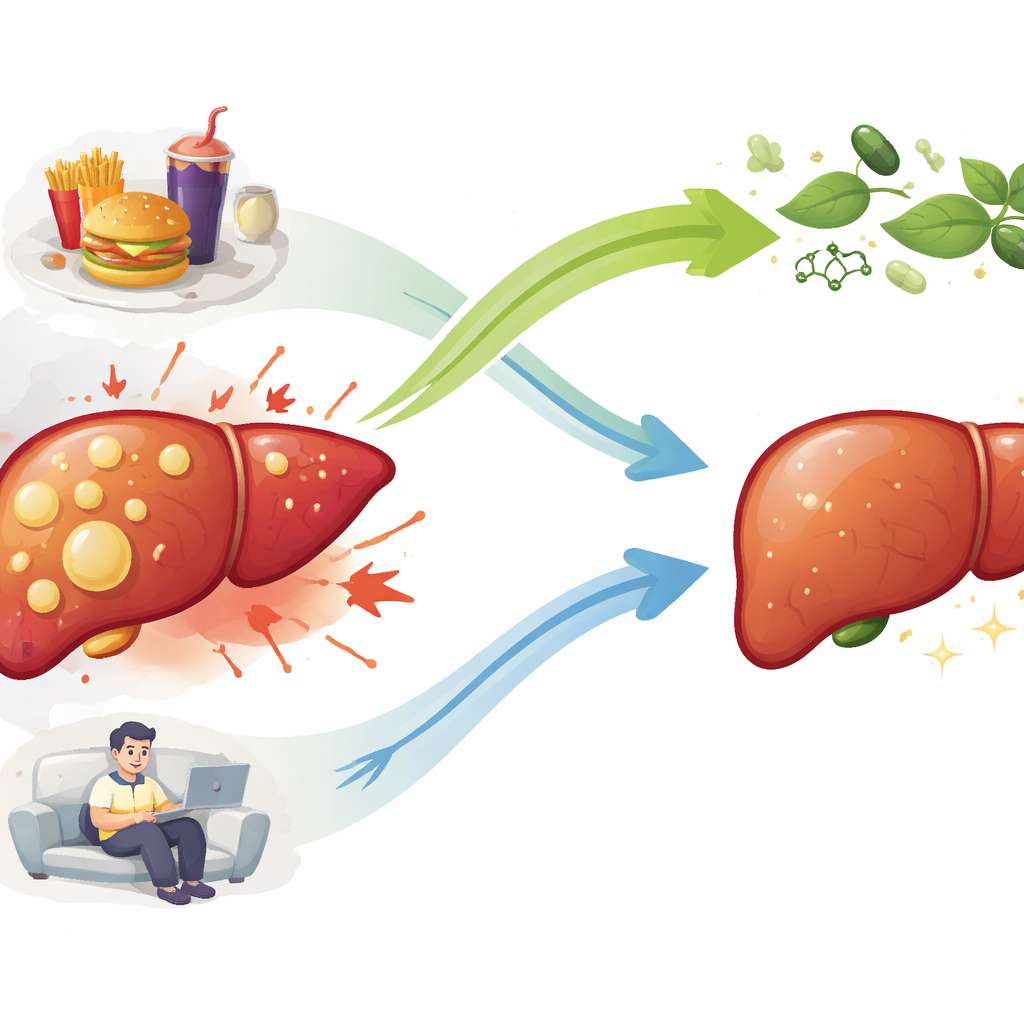
Cleaning up fat and calming liver injury
Both apigenin and aerobic exercise improved the livers of high-fat–fed mice. Compared with untreated animals, treated mice had fewer fat droplets in their liver tissue, lower levels of harmful blood fats and cholesterol, and healthier amounts of “good” HDL cholesterol. Blood enzymes that leak out of damaged liver cells dropped, pointing to better overall liver function. Notably, the combination of apigenin plus exercise consistently produced the strongest improvements: less liver enlargement, more normal-looking liver color and structure, and the lowest levels of fat and injury markers across all groups.
Boosting the body’s own defense switch
To understand how this worked, the researchers zoomed in on a key cellular safety system sometimes described as a master switch for antioxidant defenses. Under strain from a high-fat diet, this protective switch is suppressed, allowing damaging molecules and inflammatory signals to accumulate. The study found that both apigenin and exercise helped flip this switch back on. Inside liver cells, proteins involved in sensing stress and turning on detoxifying and antioxidant genes became more active, while a braking protein that usually keeps this system in check declined. As a result, the liver produced higher levels of its own protective enzymes and molecules that neutralize reactive chemicals and help clear fat, while levels of inflammatory messengers dropped. The dual treatment again showed the greatest boost in protective factors and the steepest fall in stress and inflammation signals. 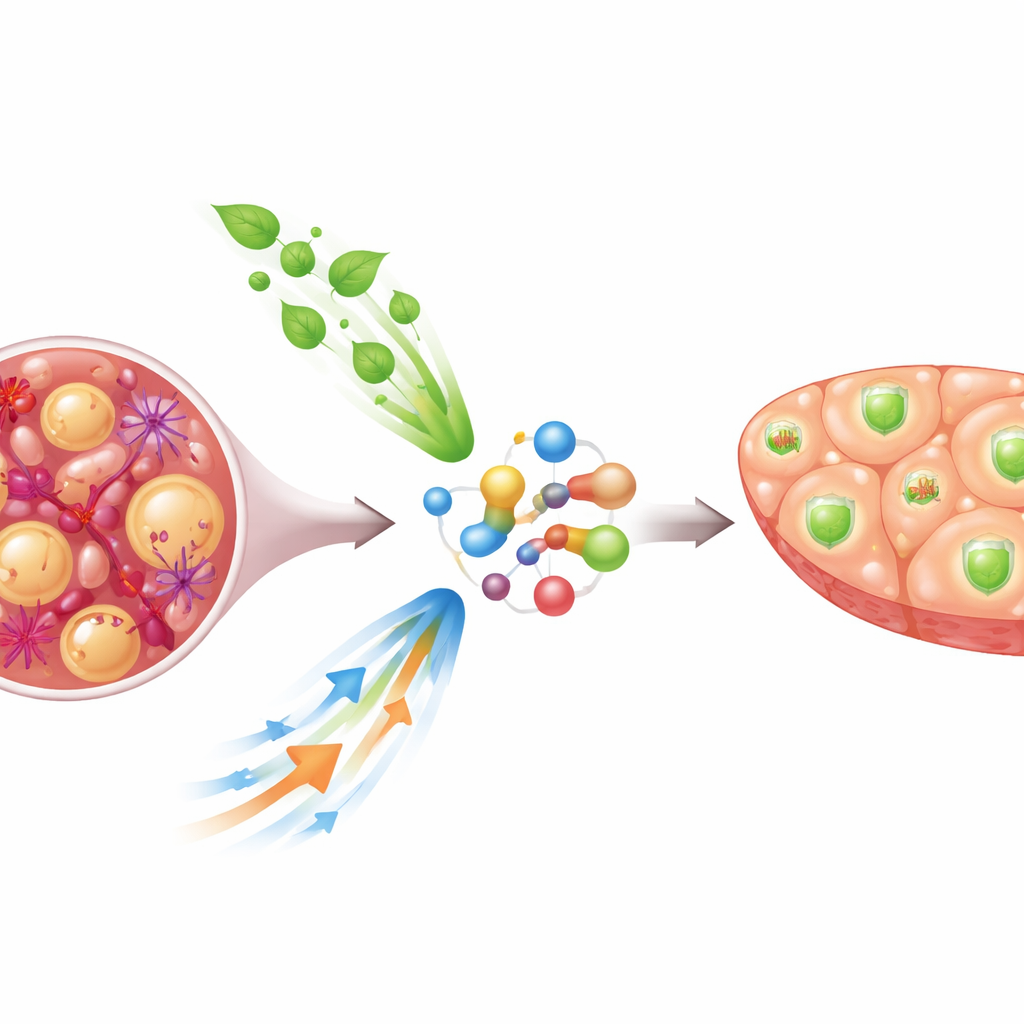
What this could mean for people
Although this work was done in mice, it suggests that combining a flavonoid-rich supplement like apigenin with regular, moderate aerobic exercise may offer a powerful one-two punch against early fatty liver disease: reducing fat buildup, dialing down inflammation, and strengthening the liver’s built-in shield against chemical damage. The authors caution that animal results do not always translate directly to humans, and the best dose, long-term safety, and ideal type and intensity of exercise still need careful testing in clinical trials. Even so, the study reinforces a hopeful message: everyday choices—moving more and eating plant-rich foods—may be harnessed, and possibly enhanced with targeted natural compounds, to slow or even reverse one of today’s most widespread liver disorders.
Citation: Huang, N., Peng, L., Huang, E. et al. Apigenin combined with aerobic exercise alleviates oxidative stress and inflammation in high-fat diet-induced NAFLD mice by modulating the Keap1/Nrf2/ARE pathway. Sci Rep 16, 14469 (2026). https://doi.org/10.1038/s41598-026-45268-9
Keywords: fatty liver disease, aerobic exercise, apigenin, oxidative stress, liver inflammation