Clear Sky Science · en
Clinical evaluation of plasma neopterin as a biomarker of immune activation in allergic rhinitis using a fluorescence-based o-phthaldehyde derivatization method
Why a simple blood test for allergies matters
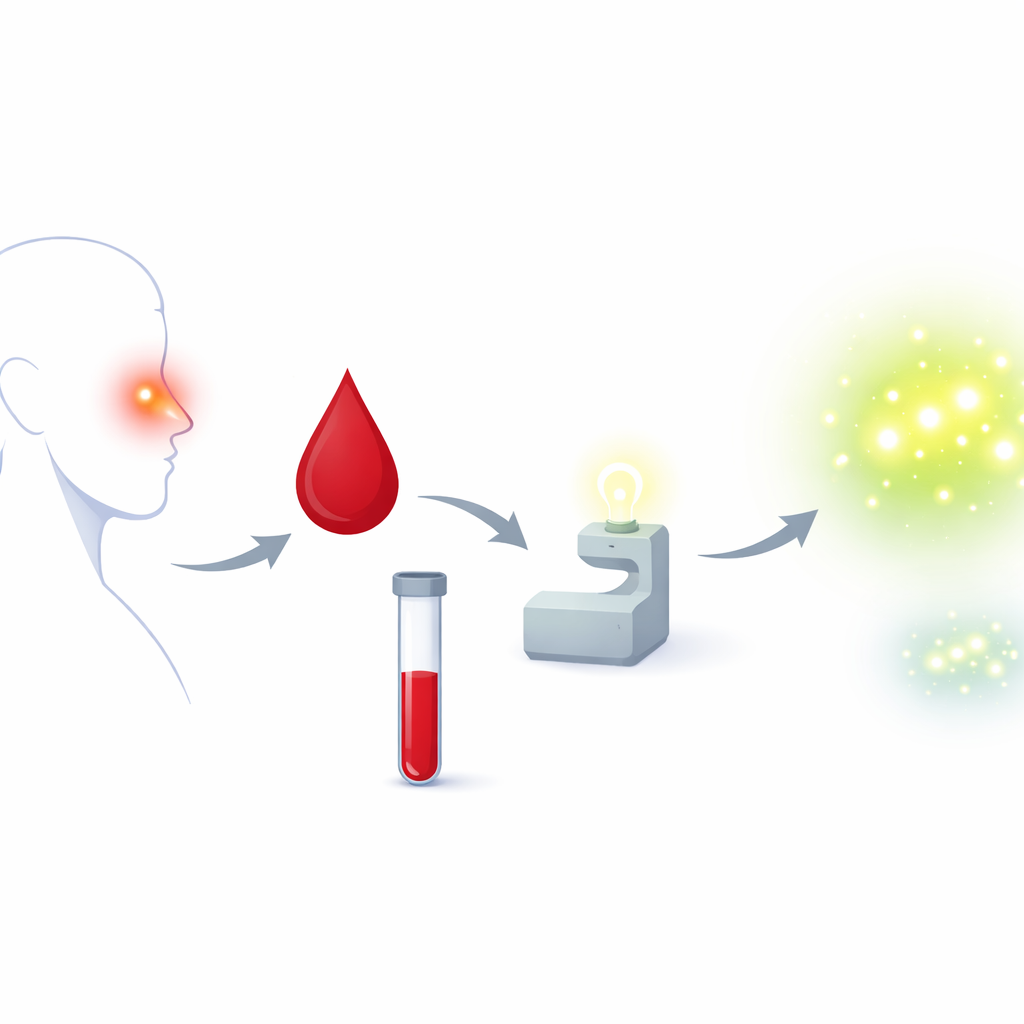
Many people live with a stuffy, itchy, endlessly runny nose from allergies, yet doctors still lack a quick, reliable blood test that reflects how active the underlying immune reaction really is. This study explores whether a small molecule in blood, called neopterin, can serve as a window into that hidden immune storm in allergic rhinitis, and introduces a straightforward laboratory method to measure it accurately at very low levels.
A small molecule that signals an alarmed immune system
When our immune system gears up against infection or chronic irritation, certain white blood cells release chemical messengers that switch on scavenger cells called macrophages. These activated cells produce neopterin, which leaks into the bloodstream and rises and falls with immune activity and oxidative stress. Neopterin has already been linked to infections, autoimmune diseases, and even cancer, making it a promising candidate marker to track how inflamed the body is. However, existing ways to measure it often require expensive equipment, complex preparation, or lack the sensitivity needed for routine use.
Turning a dim signal into a bright one
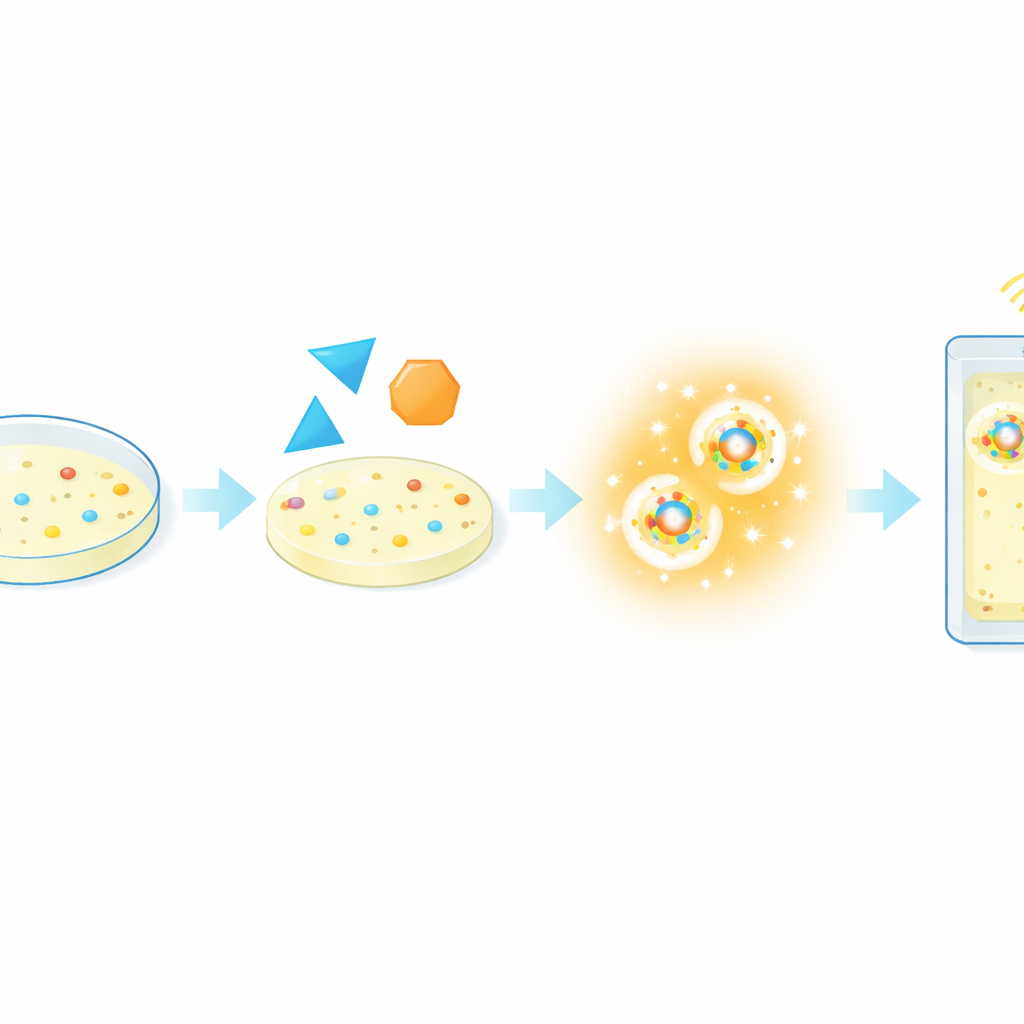
On its own, neopterin glows only faintly under ultraviolet light, and that dim signal is easily drowned out by other substances in blood. The research team tackled this by making neopterin react with a safe laboratory reagent called o‑phthaldehyde in the presence of a sulfur‑containing helper compound and a mildly alkaline solution. This chemical pairing reshapes neopterin into a new, ring‑like structure that shines far more brightly when excited by light at a specific color. By carefully tuning how much of each ingredient is added, how long the reaction runs, and under what conditions, the scientists boosted the light signal almost threefold while keeping it stable long enough for easy measurement.
Building a practical lab test
The authors then designed a step‑by‑step blood test around this brightened signal. After drawing a small blood sample, they separated the liquid plasma, removed proteins that might cloud the measurement, and added the reagents that convert neopterin into its glowing form. A laboratory instrument then read the light coming from the sample at a fixed pair of colors. Across a wide range of neopterin amounts, the signal increased in a straight, predictable way, allowing the team to convert light intensity into an accurate concentration. The test could detect extremely low levels—less than one billionth of a gram per milliliter—while remaining precise and largely unaffected by similar molecules naturally present in blood.
What the test reveals in people with nasal allergies
To see whether this new method had real‑world value, the researchers applied it to 52 adults: half had persistent allergic rhinitis confirmed by symptoms and allergy testing, and half were healthy volunteers. Blood from the allergy group contained almost twice as much neopterin as that from the healthy group. Importantly, higher neopterin levels went hand in hand with more severe nasal complaints and with increased counts of eosinophils, a type of white blood cell central to allergic disease. These links suggest that neopterin reflects not just a generic immune alarm, but the overall burden and intensity of the allergic reaction affecting the nose.
What this could mean for patients
In plain terms, this study shows that a relatively simple, low‑cost fluorescence test can reliably measure neopterin in blood and that people with troublesome nasal allergies tend to have higher levels of this immune signal. While it is not a stand‑alone diagnostic tool for allergies, neopterin could help doctors gauge how inflamed a patient is, track changes over time, and perhaps judge how well treatments are calming the immune response. With further validation in larger and more diverse groups, this brightened molecule may become a useful companion measure for monitoring immune activation and oxidative stress in everyday allergy care.
Citation: Alqahtani, A., Alqahtani, T., Alshehri, A. et al. Clinical evaluation of plasma neopterin as a biomarker of immune activation in allergic rhinitis using a fluorescence-based o-phthaldehyde derivatization method. Sci Rep 16, 10500 (2026). https://doi.org/10.1038/s41598-026-45216-7
Keywords: allergic rhinitis, neopterin, immune activation, biomarker, fluorescence assay