Clear Sky Science · en
Countering the negative effects of dietary soybean (SB) meal in Nile tilapia with organic acid salts
Why Fish Farmers Should Care
As the world’s appetite for farmed fish grows, producers are under pressure to use cheaper, more sustainable feeds without sacrificing fish health. Soybean meal is an attractive, plant-based replacement for traditional fishmeal, but at high levels it can irritate the gut of Nile tilapia and slow their growth. This study explores whether adding small amounts of two common food acids to soy-rich diets can protect the fish’s intestines, improve their growth, and support a more sustainable aquaculture industry.
The Problem with Too Much Soy
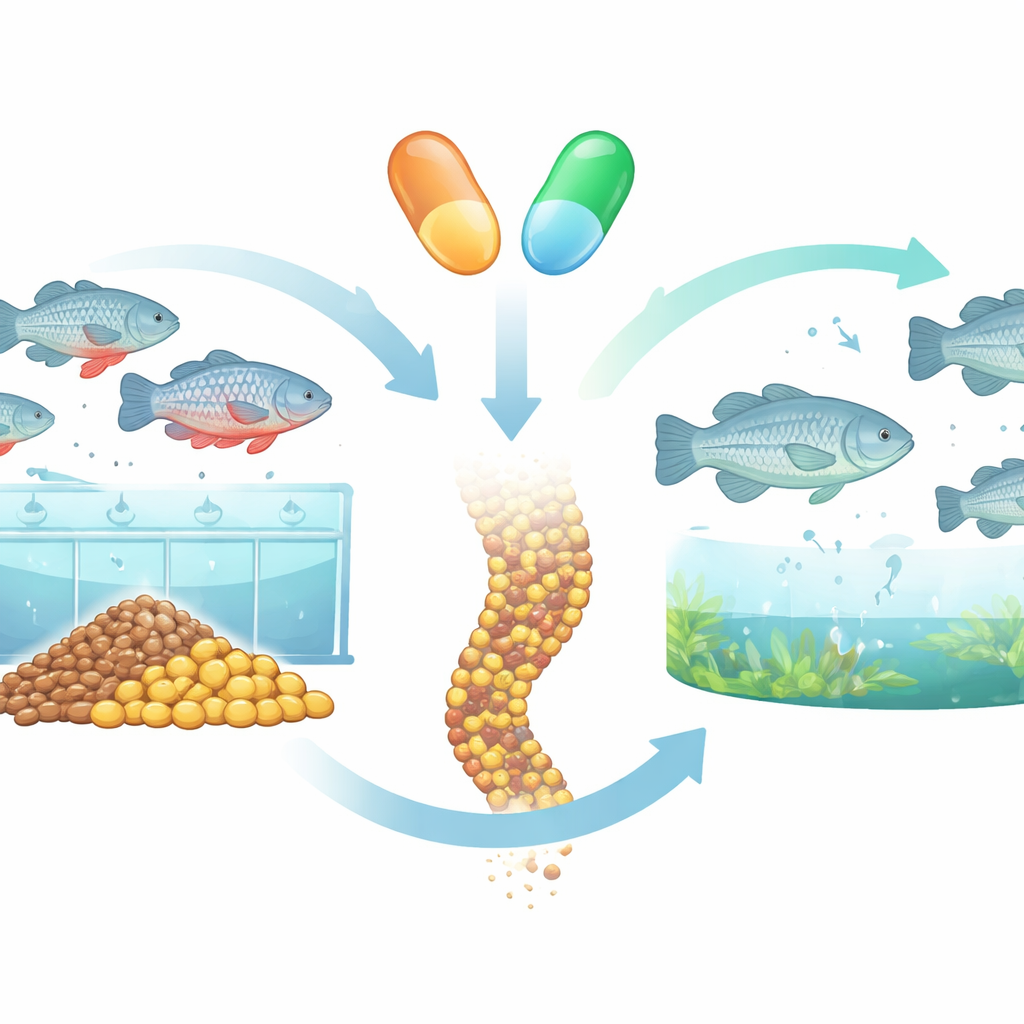
Nile tilapia are a cornerstone of global aquaculture, and soybean meal has become a key ingredient in their feed because it is affordable and widely available. Yet soybeans contain natural compounds that can upset the delicate lining of the fish intestine. When the researchers fed young tilapia a diet containing a very high proportion of soybean meal, the fish grew more slowly, converted feed into body mass less efficiently, and showed clear signs of gut inflammation. Under the microscope, their intestinal surface—normally lined with tall, finger-like projections that absorb nutrients—appeared eroded and invaded by immune cells, a condition known as enteritis.
Testing Helpful Additions to the Diet
To tackle this problem, the team designed five feeds: a moderate-soy control diet, a high-soy diet, and three high-soy diets enriched with sodium propionate, sodium butyrate, or a mixture of both. These compounds are short-chain fatty acid salts that are already widely used in livestock feeds and considered safe. Over 12 weeks, tilapia fingerlings were raised in outdoor tanks and fed twice daily. The scientists tracked growth and feed use, measured digestive enzyme activity, examined liver and intestinal chemistry linked to oxidative stress, inspected gut tissue, and analyzed the activity of genes involved in growth, inflammation, and immunity.
Healthier Guts and Faster Growth
Fish that received the high-soy diet alone fared worst. They gained less weight, needed more feed to grow, and had weaker digestive enzyme activity in the intestine. Chemical tests showed more damage from reactive molecules and a weaker antioxidant defense system in both liver and gut. In contrast, adding either propionate or butyrate, and especially their combination, largely reversed these problems. Fish on the supplemented diets grew faster, used feed more efficiently, and had digestive enzymes that nearly matched or equaled those of the control group. Markers of oxidative damage dropped, while protective enzymes rose, particularly in the group given both acid salts together.
What the Microscopic and Genetic Clues Reveal
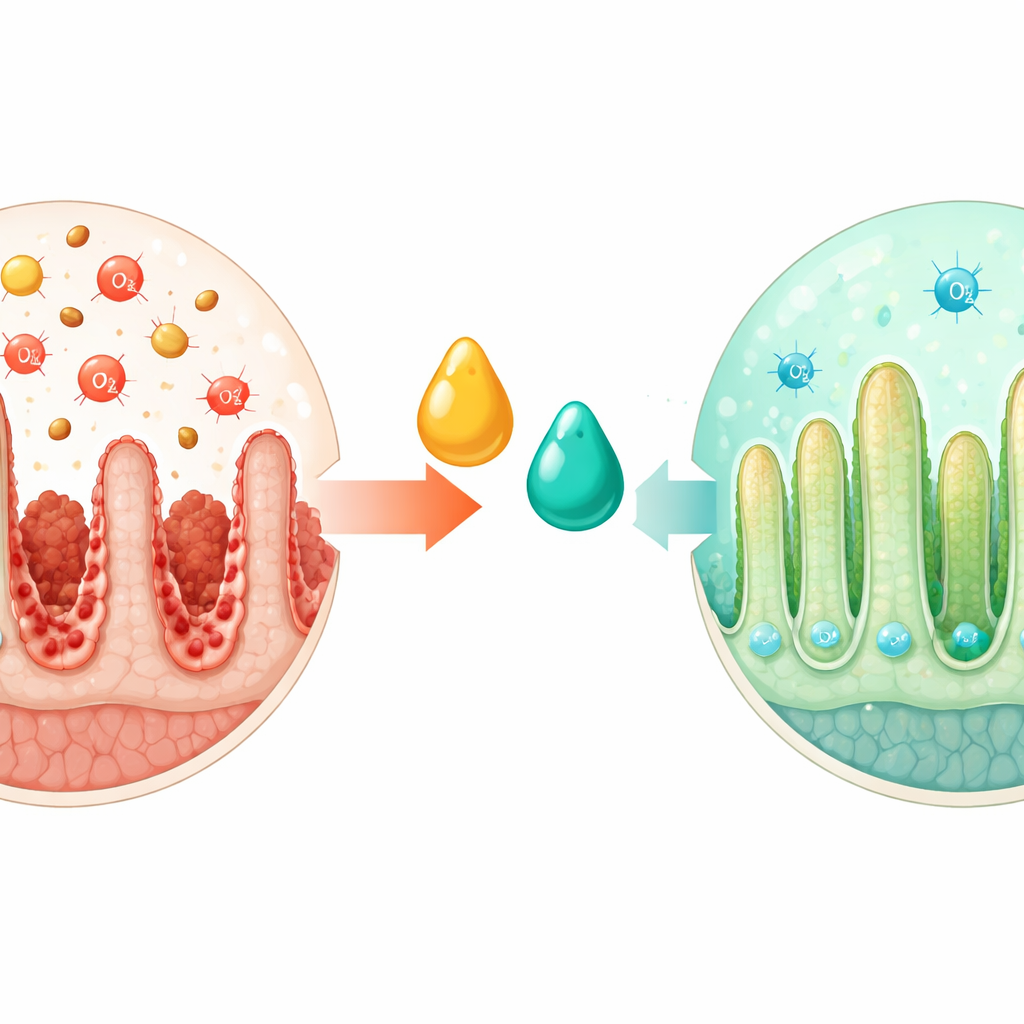
When the researchers examined intestinal tissue, the differences were striking. The high-soy diet alone produced inflamed, damaged villi, whereas the supplemented diets restored a smoother, more intact surface. The mixture of propionate and butyrate gave the most normal-looking gut, with more mucus-producing goblet cells that help shield the intestine from irritation and invading microbes. At the molecular level, high-soy diets without additives lowered the activity of key growth-related genes and raised the activity of genes linked to inflammation and cell death. Supplementing with the organic acid salts reversed these trends: growth genes were switched back on, inflammatory signals were dialed down, and genes associated with frontline immune defenses were boosted.
What This Means for Sustainable Aquaculture
For fish farmers and feed formulators, the message is clear: while high levels of soybean meal alone can compromise tilapia health, blending in small amounts of sodium propionate and sodium butyrate can protect the gut, support better growth, and strengthen the fish’s own defenses. Using both together provided the strongest benefits, suggesting a complementary action in the intestine. This approach could allow greater reliance on plant-based feeds without paying a hidden price in disease risk or poor performance, helping to make tilapia farming more sustainable and resilient as demand for affordable protein continues to rise.
Citation: Awad, A., Ghetas, H.A., Khallaf, M.A. et al. Countering the negative effects of dietary soybean (SB) meal in Nile tilapia with organic acid salts. Sci Rep 16, 12703 (2026). https://doi.org/10.1038/s41598-026-45042-x
Keywords: Nile tilapia, soybean meal, organic acids, fish gut health, aquaculture nutrition