Clear Sky Science · en
Effect of ibuprofen versus acetaminophen on postpartum hypertension: a systematic review and meta-analysis of randomized controlled trials
Why this matters for new mothers
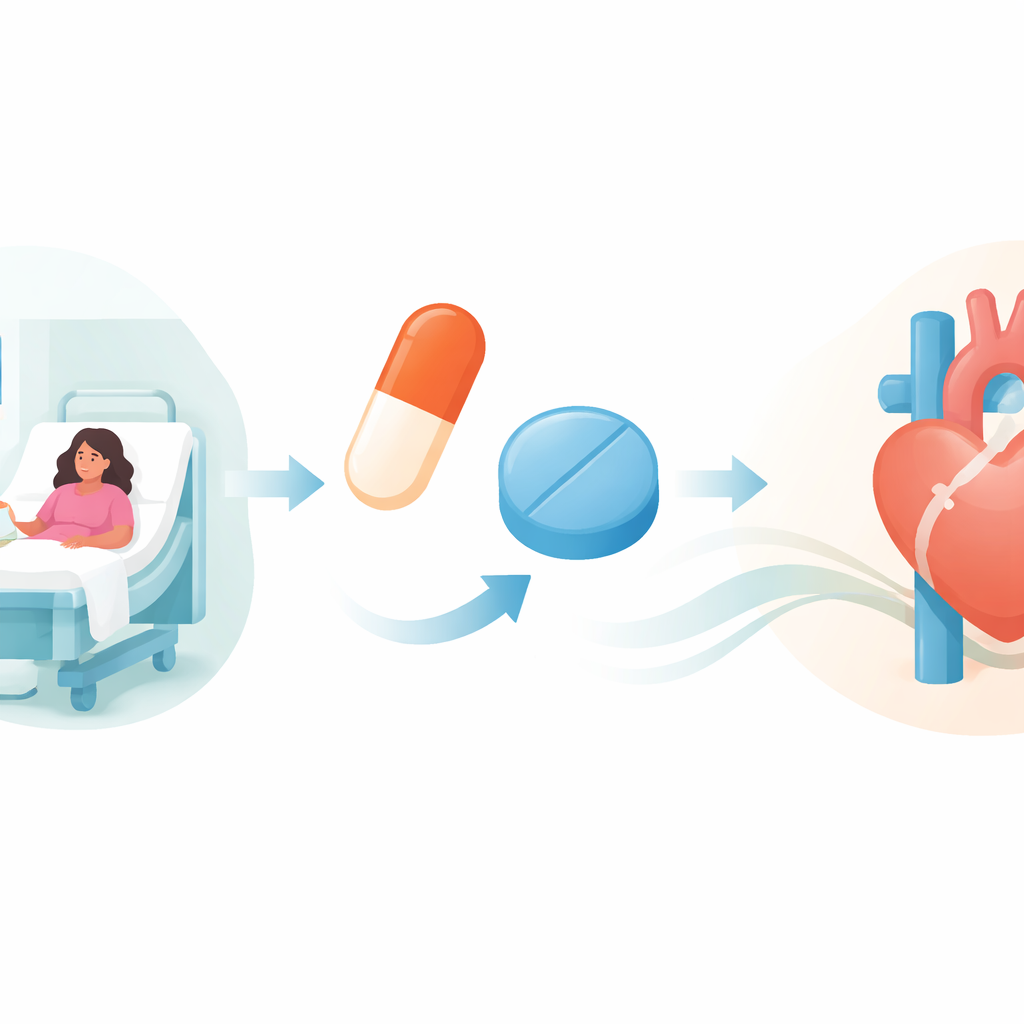
After childbirth, many women need strong pain relief, especially if they had a cesarean section or complications during pregnancy. But for mothers whose blood pressure was dangerously high during pregnancy, doctors have long worried that common painkillers might push it even higher. This study asks a simple, important question for these families and their clinicians: is ibuprofen, a widely used pain reliever, any riskier for blood pressure than acetaminophen in the days after delivery?
Pain relief and high blood pressure after birth
High blood pressure problems during pregnancy, known collectively as hypertensive disorders of pregnancy, are a leading cause of severe illness and even death in mothers worldwide. These conditions often continue to cause trouble after delivery, when women still need close monitoring and, frequently, blood pressure medication. At the same time, they need effective pain control to recover, care for their newborns, and start breastfeeding. Nonsteroidal anti-inflammatory drugs like ibuprofen are excellent at easing post-cesarean and perineal pain and can reduce the need for opioids. However, because these drugs can raise blood pressure in some nonpregnant people, they were traditionally avoided in women recovering from pregnancy-related hypertension.
What the researchers set out to test
Recent small studies hinted that ibuprofen might actually be safe in this setting, leading professional groups to cautiously support its use after birth, even in women with high blood pressure. Still, the evidence was scattered and sometimes inconsistent. To bring clarity, the authors of this paper conducted a systematic review and meta-analysis, a method that combines data from multiple carefully designed randomized controlled trials. They searched major medical databases without time limits, screened hundreds of studies, and ultimately focused on six trials including 535 women who had hypertensive disorders of pregnancy and received either ibuprofen or acetaminophen for pain after delivery.
How the study was done
Across the six trials, women were randomly assigned to receive regular doses of either ibuprofen or acetaminophen, most commonly every six hours by mouth. The trials enrolled women with a range of high blood pressure conditions related to pregnancy, from milder gestational hypertension to preeclampsia with dangerous features. The researchers extracted information on several key outcomes: how often women developed severe high blood pressure after birth, average upper and lower blood pressure readings, overall blood flow pressure (mean arterial pressure), and whether they needed blood pressure drugs. They also looked at practical recovery measures, such as how long women stayed in the hospital, whether they needed opioids for additional pain control, how well they were passing urine, and whether they had to be readmitted for severe hypertension.
What the results showed
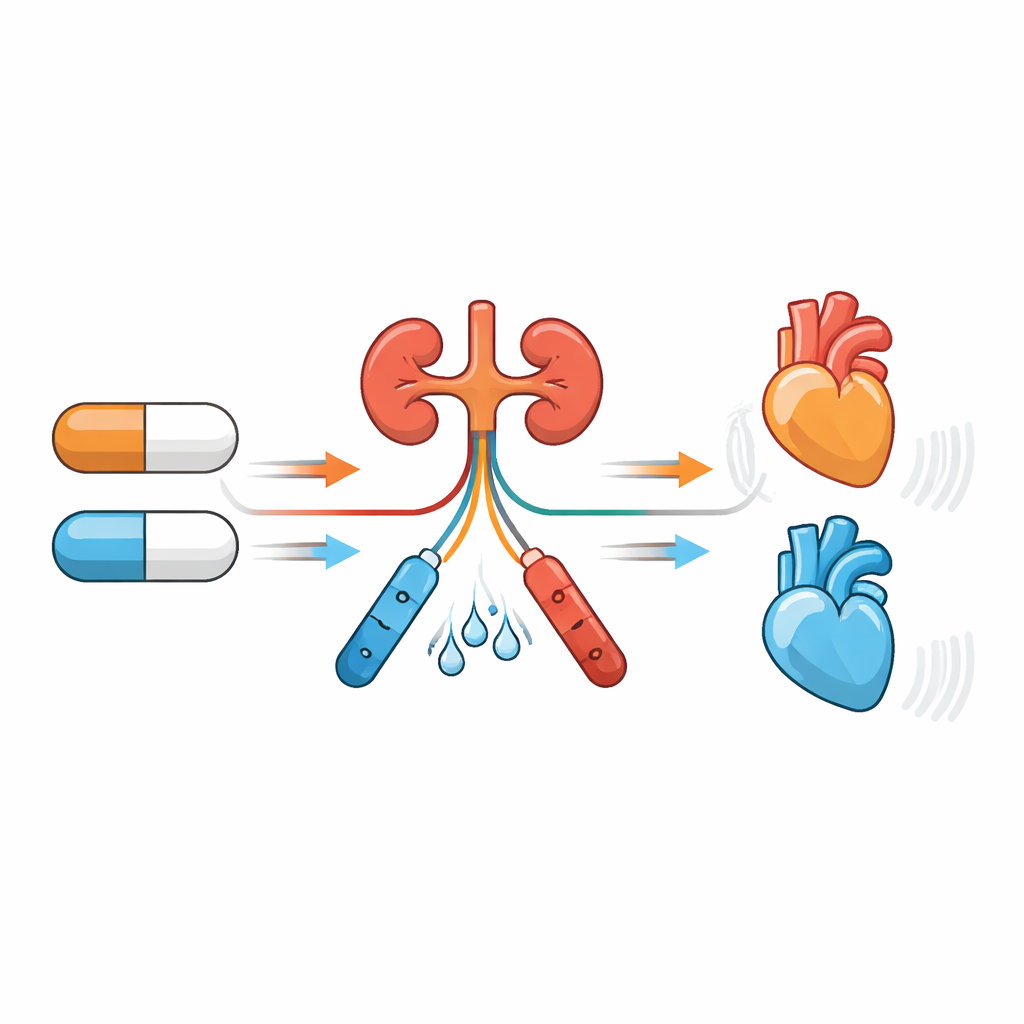
When all six trials were analyzed together, ibuprofen and acetaminophen performed remarkably similarly. There was no meaningful difference between the two drugs in the number of women who developed severe high blood pressure after delivery, in average blood pressure readings, or in the need for antihypertensive medication. Measures of overall blood flow pressure were almost identical. Recovery-related outcomes also matched: women taking ibuprofen did not stay longer in the hospital, did not need more opioids, did not have worse urine output, and were not more likely to be readmitted for blood pressure problems. Statistical tests showed low variation between studies, strengthening confidence that these findings were not due to chance alone.
What this means for mothers and clinicians
Although ibuprofen can raise blood pressure in some people by affecting kidney blood flow and salt balance, this analysis suggests that in the short postpartum period, under medical supervision, those theoretical risks do not translate into worse outcomes for women recovering from pregnancy-related hypertension. Because the included trials were relatively small and excluded some very high-risk patients, the authors advise continued caution for women with serious kidney problems or other complex illnesses. Even so, the overall message is reassuring: for most women with hypertensive disorders of pregnancy, short-term use of ibuprofen after birth appears as safe for blood pressure as acetaminophen, while still offering strong pain relief and helping limit opioid use.
Citation: Alhebshi, Z.A., Altaweel, S.M., Zagzoog, T.M. et al. Effect of ibuprofen versus acetaminophen on postpartum hypertension: a systematic review and meta-analysis of randomized controlled trials. Sci Rep 16, 14110 (2026). https://doi.org/10.1038/s41598-026-44647-6
Keywords: postpartum hypertension, ibuprofen, acetaminophen, preeclampsia, postpartum pain management