Clear Sky Science · en
Acute physiological and pupillary responses during power snatch and clean & jerk training sessions in elite female weightlifters
Why this study matters for lifters and coaches
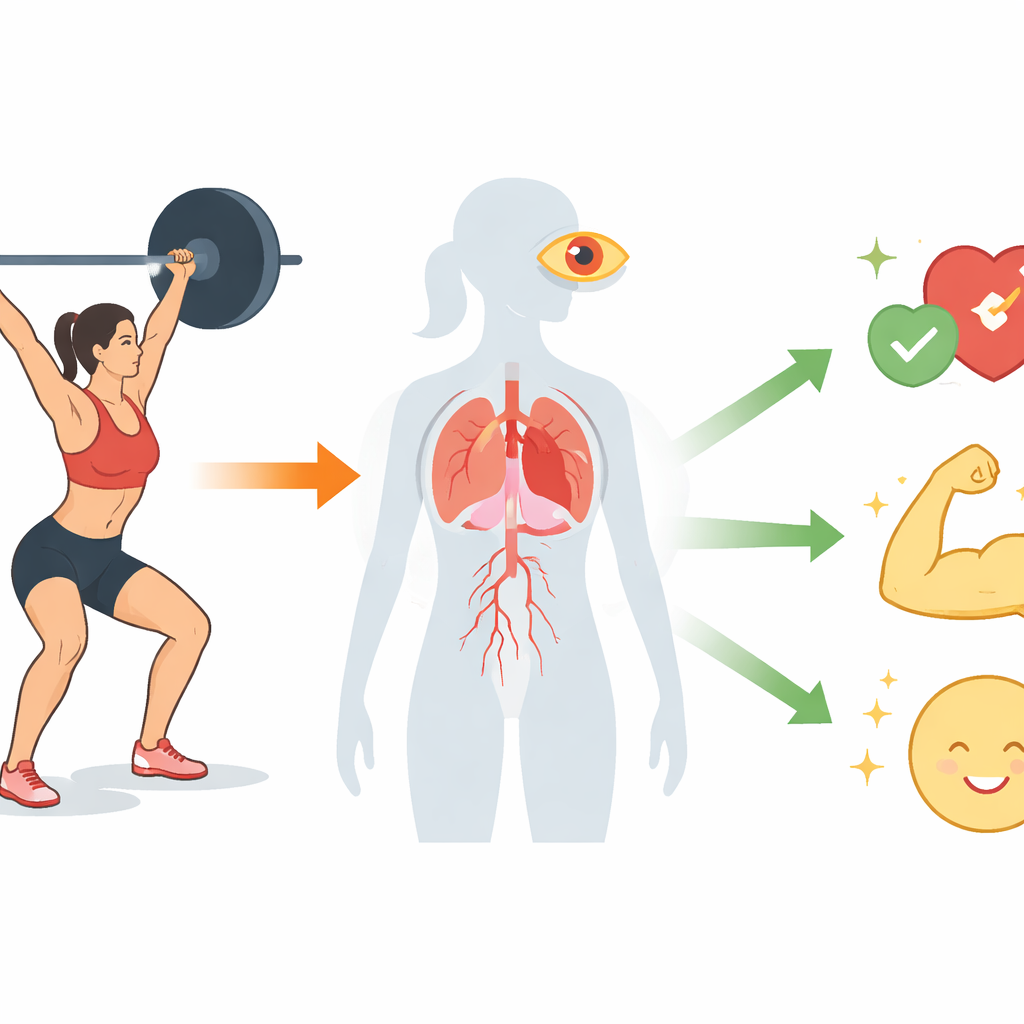
When a weightlifter steps up to the bar for a heavy snatch or clean and jerk, the body’s vital systems must react in a split second. This study peeks under the hood of those reactions in elite young women who lift at the highest level. By tracking blood pressure, heart rate, breathing, body temperature, and even changes in pupil size, the researchers show how different training loads stress the body, and how those responses could be used to fine‑tune training plans that are both safer and more effective.
Who was studied and how the workouts were set up
The research followed 20 national‑team female weightlifters, all aged around 19 and training at an Olympic preparation camp. Each athlete performed two nearly identical 90‑minute training sessions on separate days: one using about three‑quarters of her maximum competition weight (75% load) and another using her full maximum (100% load) in power snatch and power clean & jerk. Each session included a warm‑up, a 30‑minute power snatch block, a short rest, a 30‑minute power clean & jerk block, and a cool‑down with stretching. This controlled routine let the team compare how the same lifter’s body behaved under moderate and maximal loading.
What signals from the body were measured
At four key points—before training, right after the snatch block, right after the clean & jerk block, and after the cool‑down—the scientists measured standard vital signs: systolic and diastolic blood pressure, heart rate, breathing rate, oxygen saturation in the blood, and ear temperature. Unusually, they also photographed each athlete’s eyes to calculate mean pupil diameter. The pupil widens when the “fight‑or‑flight” branch of the nervous system is activated, so it can serve as a window into the body’s arousal and stress levels during hard effort. All measurements were taken in familiar gym surroundings to keep the setting realistic for the athletes.
How the body reacts to heavy snatch and clean & jerk
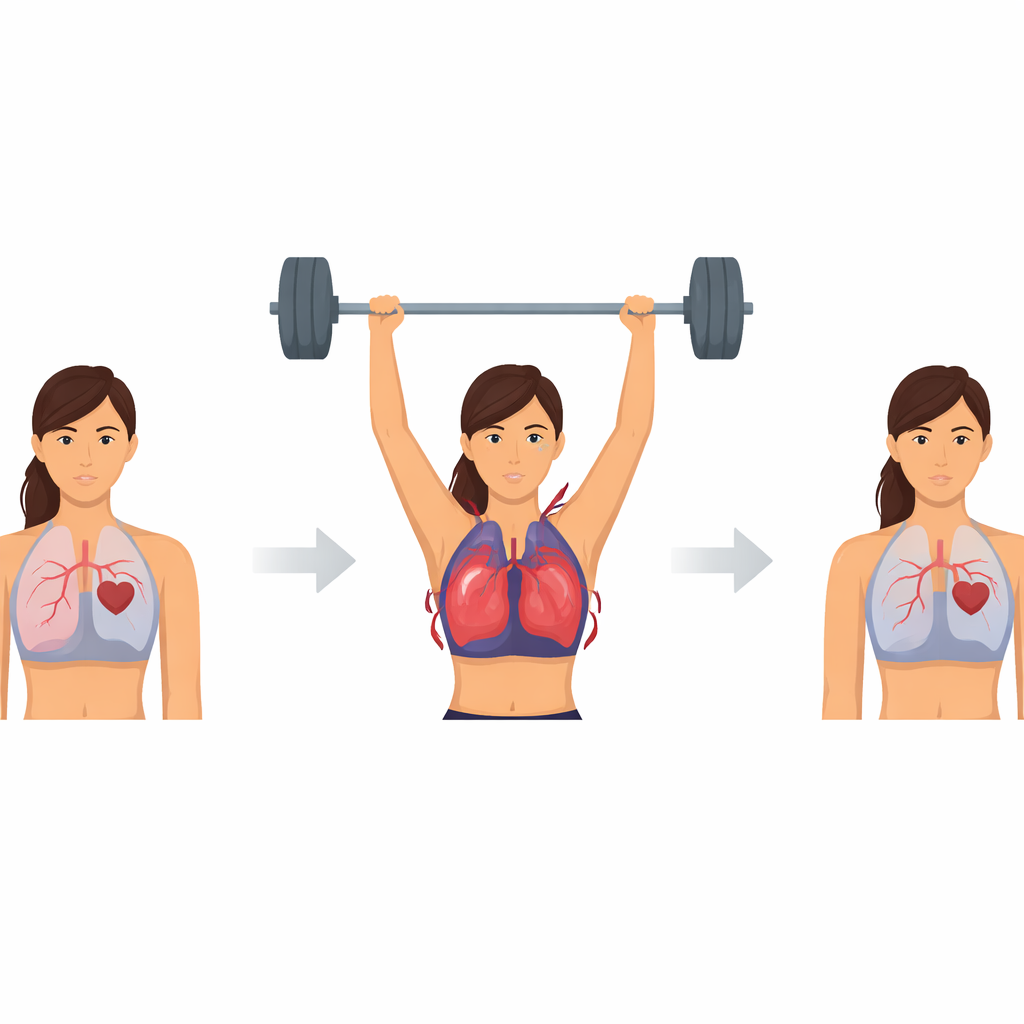
Both training loads pushed the lifters well above resting levels. During the snatch and clean & jerk phases, blood pressure, heart rate, breathing rate, body temperature, and pupil size all rose clearly compared with pre‑training values, then drifted back toward baseline during the cool‑down. The 100% sessions produced the strongest responses: higher blood pressures, faster heart and breathing rates, and slightly larger pupils than the 75% sessions, especially right after snatches. Oxygen saturation stayed high in all phases, suggesting that even under intense strain these well‑trained athletes maintained adequate oxygen supply.
Links between body reactions and lifting performance
The researchers also explored how these responses related to performance. Athletes with higher body‑mass index and longer training history tended to lift more weight in both snatch and clean & jerk, reflecting the importance of muscle mass and years under the bar. Blood pressure, particularly the pressure during and after lifts, showed positive ties to how much weight could be moved, hinting that stronger cardiovascular reactions may support explosive performance within healthy limits. Pupil size showed a more complex pattern: at rest, larger pupils were linked to slightly lower performance in the heaviest sessions, but during lifting, increases in pupil size tracked with heart rate, suggesting a shared underlying surge in nervous‑system activation.
What this means for safer, smarter training
For everyday readers, the takeaway is that heavy Olympic lifting puts the heart, blood vessels, lungs, and brain on high alert—but in these elite women the changes stayed within normal physiological bounds. The study suggests that simple measures such as blood pressure, heart rate, breathing rate, and even pupillary changes taken at different points in a session could help coaches and sports doctors see when an athlete is adapting well and when she might be approaching her limits. Building training plans around each lifter’s individual responses—rather than using a one‑size‑fits‑all approach—could reduce the risk of overload while preserving the benefits of high‑intensity work. In short, careful monitoring of these vital signs can turn heavy lifting into a more precise and safer science for athletes chasing peak performance.
Citation: Işık, B., Daşdelen, D., Özbay, E. et al. Acute physiological and pupillary responses during power snatch and clean & jerk training sessions in elite female weightlifters. Sci Rep 16, 13453 (2026). https://doi.org/10.1038/s41598-026-44315-9
Keywords: Olympic weightlifting, female athletes, blood pressure, pupil diameter, training load